 Retro Replay Retro Replay gaming reviews, news, emulation, geek stuff and more!
Retro Replay Review
Gameplay
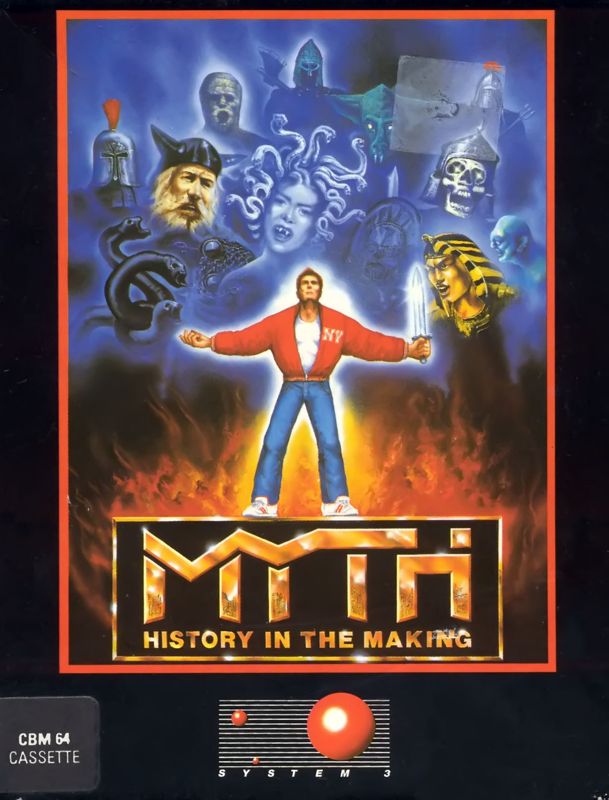
Myth: History in the Making delivers a classic platforming experience that blends fast-paced combat with occasional puzzle-solving. Players will spend most of their time leaping across perilous ledges, evading environmental hazards, and brawling with waves of mythological foes. At the outset, you’re limited to bare fists, but as you explore each epoch — from the temples of ancient Greece to the frosty realms of the Vikings — you’ll discover swords, axes, and other period-appropriate weapons that dramatically change your approach to combat.
(HEY YOU!! We hope you enjoy! We try not to run ads. So basically, this is a very expensive hobby running this site. Please consider joining us for updates, forums, and more. Network w/ us to make some cash or friends while retro gaming, and you can win some free retro games for posting. Okay, carry on 👍)
The difficulty curve is steep yet fair. Enemies spawn relentlessly, often flanking you from multiple directions, which demands quick reflexes and strategic positioning. While some players may find this constant onslaught repetitive, the designers have peppered levels with hidden alcoves and secret pickups to reward careful exploration. Puzzle-style obstacles also break up the beat-’em-up rhythm, requiring you to push blocks, activate switches, or time jumps precisely in order to proceed.
One of the game’s most appealing features is its variety of settings and foes. Each level draws upon a different mythological tradition — Greek harpies, Norse berserkers, and even a boss fight against Thor in Valhalla — so you rarely face the same enemy template twice. This not only keeps each stage feeling fresh but also encourages you to switch weapons and tactics frequently, ensuring the core platform-combat loop never grows stale.
Control responsiveness is generally solid, though occasional sprite flicker in crowded encounters can make it tricky to track precisely where you stand. Checkpoints are spaced reasonably, but the high enemy density means you’ll often revisit tough sections several times. For players who relish old-school challenge, however, this trial-and-error design can be part of the fun.
Graphics
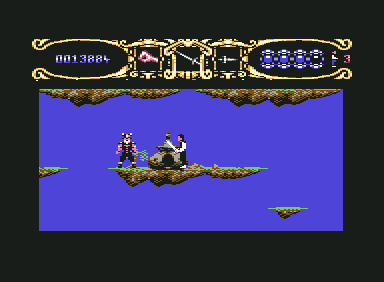
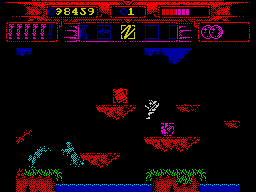
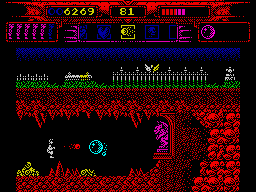
Depending on your hardware, Myth: History in the Making showcases two distinct visual presentations. The 8-bit version features blocky sprites and a limited color palette typical of the era’s home computers. Despite these constraints, the designers manage to convey each mythic realm vividly, using clever background patterns and contrasting hues to differentiate Greek columns from Viking longhouses.
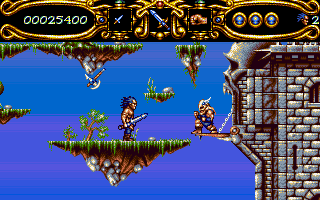
On 16-bit machines, the upgrade is immediately noticeable. Character sprites gain more animation frames, backgrounds become richer and more detailed, and the color depth allows for subtler shading. Ankalagan’s armor gleams under torchlight, and enemy designs gain a menacing edge thanks to smoother animations. Although the core level layouts remain unchanged, these cosmetic enhancements significantly boost immersion.
Across both versions, the game excels in environmental variety. Lush gardens, ominous temples, sunlit forests, and icy catacombs each have their own distinct palette and musical theme, reinforcing the sense of progression through time and myth. Occasional palette swaps can still occur, but they’re often masked by well-tuned background art and sprite color choices.
One drawback is occasional flicker when too many sprites appear on the same scanline, particularly during boss encounters or crowded halls of enemies. While this was common for the hardware at the time, modern players might find it distracting. Still, for retro enthusiasts, these quirks add to the authentic charm of the experience.
Story
Storytelling in Myth: History in the Making varies based on platform, but the central premise remains engagingly epic. In the 8-bit edition, you play as a modern teenager whisked away to an era of legends by a tear in the space-time continuum. A high priestess implores you to defeat Dameron, the Dark Angel of Time, and restore balance before you can return home. This “fish out of water” setup provides a straightforward motivation that keeps you pushing forward through each mystical realm.
The 16-bit version offers a more mythically rooted narrative. Here, you assume the role of Ankalagan, a warrior of AD 63 who harnesses Stonehenge’s powers to travel through time in defense of the world. This version feels more cohesive for a game steeped in ancient lore, as it positions you directly as a hero rather than a displaced outsider. Either way, the story’s pacing suits the arcade-style design: brief cutscenes introduce new levels and bosses, but the emphasis always returns to action.
Dialogue is minimal and functional, but each world’s high priest or deity presents a unique flavor, whether urging caution or promising greater power. While you won’t find deep character arcs or branching narratives here, the game’s strong mythological framing provides solid context for the diverse environments and enemies you face.
Overall, the narrative acts as a compelling backdrop rather than the main attraction. If you’re after a plot-driven adventure, you may wish for more depth and exposition. However, for fans of pick-up-and-play platformers with a mythic twist, the story’s brevity is a strength, keeping the action front and center.
Overall Experience
Myth: History in the Making stands as a testament to the creativity and ambition of late-’80s and early-’90s platformers. Its blend of relentless combat, environmental variety, and occasional puzzles creates a satisfying challenge that rewards persistence. Whether you’re guiding a 20th-century teenager through the Time of Legends or embodying the time-travelling warrior Ankalagan, each moment feels charged with mythic significance.
Performance varies by hardware, but both 8-bit and 16-bit versions deliver their own nostalgic appeal. The 8-bit edition captures the charm of early home-computer platformers, while the 16-bit build offers more detailed visuals and smoother animations. Fans of retro gaming will appreciate either iteration, though the 16-bit version may be more approachable for newcomers due to its enhanced clarity and sprite work.
Sound design is competent, with memorable chiptune melodies that shift to match each mythic realm’s mood. Effects are punchy if a bit repetitive, but they complement the on-screen action without overpowering it. Replay value comes from mastering each level’s traps and enemy patterns, hunting for hidden items, and pushing for faster completion times.
Ultimately, Myth: History in the Making is a robust platform-action title with plenty of old-school appeal. Its difficulty and straightforward design may not resonate with those accustomed to modern conveniences like checkpoints or tutorials, but for players seeking a challenging, myth-infused romp through time, it remains a worthy addition to any retro collection.


Reviews
There are no reviews yet.