 Retro Replay Retro Replay gaming reviews, news, emulation, geek stuff and more!
Retro Replay Review
Gameplay
Panzer Battles delivers a richly detailed, turn-based wargaming experience that harks back to classic hex-based board games. Each hex on the map represents a critical piece of strategic real estate, and every unit—from infantry platoons to armored corps—must be maneuvered with care to outflank and outgun your opponents. The pacing is deliberate, giving players time to weigh their options, issue orders, and anticipate enemy moves, which results in a deeply immersive command experience.
(HEY YOU!! We hope you enjoy! We try not to run ads. So basically, this is a very expensive hobby running this site. Please consider joining us for updates, forums, and more. Network w/ us to make some cash or friends while retro gaming, and you can win some free retro games for posting. Okay, carry on 👍)
The engine, originally developed for Battlefront, brings a level of polish and responsiveness rarely seen in digital wargames. Unit stacking, supply lines, and terrain modifiers are handled seamlessly, while the AI adapts to your tactics, forcing you to constantly refine your strategy. Whether you’re coordinating a pincer movement in the Ardennes or holding defensive lines near Kursk, Panzer Battles rewards thoughtful play and punishes rash decisions.
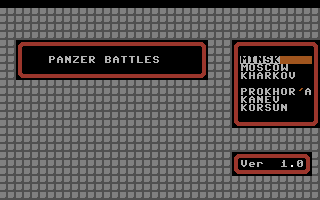
With a comprehensive scenario package covering Soviet, German, British, and American forces, Panzer Battles offers a variety of historical engagements. Objectives change from scenario to scenario—sometimes focusing on seizing a strategic hill, other times on evacuating a vulnerable unit under fire—keeping each playthrough fresh. The included scenario editor further extends the game’s longevity, empowering players to recreate lesser-known battles or craft entirely new confrontations from scratch.
Graphics
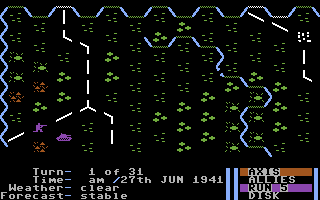
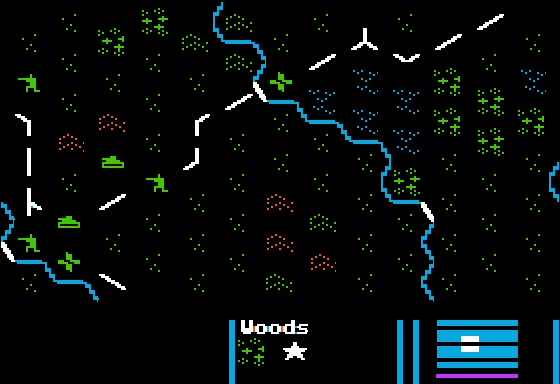
Graphically, Panzer Battles adopts a clean, functional aesthetic that prioritizes clarity over flashy effects. The hex grid is crisp and easy to read, with terrain features—forests, roads, rivers—clearly distinguished by subtle color palettes and iconography. This minimalist design ensures that critical information such as movement costs, defensive bonuses, and unit facing is always visible at a glance.
Unit counters are rendered with detailed silhouettes and national insignia, offering instant recognition of unit type and affiliation. While there are no 3D tank models rattling across the battlefield, the static artwork conveys enough historical flavor to keep fans of WWII history engaged. Animations are sparing but effective—unit movement arrows, combat result markers, and morale checks all come to life with concise visual cues.
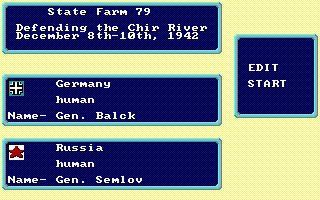
The user interface is straightforward, emphasizing quick access to essential menus without clutter. Tooltips provide historical background and game statistics for each unit, making it easy for newcomers to understand the significance of a Soviet T-34 versus a German Panzer IV. The scenario editor UI follows the same design ethos, with drag-and-drop placement of units and terrain elements ensuring that creating custom scenarios feels intuitive rather than daunting.
Story
Although Panzer Battles doesn’t feature a linear narrative campaign, its scenarios are steeped in historical context. Each briefing opens with a concise overview of the operation’s objectives, order of battle, and strategic importance, grounding players in the real-world stakes of World War II engagements. This approach allows the gameplay to serve as the narrative, with each hex representing a small but meaningful chapter of wartime history.
The variety of scenarios—from large-scale corps engagements on the Eastern Front to smaller Allied thrusts in Western Europe—provides multiple vantage points on the conflict. You’re not just moving pieces; you’re reenacting decisive moments such as the push toward Berlin or the desperate Soviet counteroffensives. The absence of a rigid storyline means you can experience these battles repeatedly, exploring “what-if” alternatives and seeing how different tactics alter the course of history.
Adding to the immersion are in-game diary entries and historical notes that unlock as you complete objectives. These snippets of firsthand accounts and archival photos deepen your understanding of the challenges faced by commanders and soldiers alike. The result is a mosaic of wartime narratives that the player pieces together through victory, defeat, and everything in between.
Overall Experience
Panzer Battles strikes a compelling balance between authenticity and accessibility. Its learning curve is noticeable—mastering supply lines, terrain advantages, and combined-arms tactics takes time—but newcomers are supported by clear tooltips, an extensive manual, and tutorial scenarios. Once you’ve grasped the fundamentals, the game’s strategic depth reveals itself, offering hours of rewarding gameplay.
Replayability is one of the game’s strongest suits. With multiple factions, diverse scenarios, and a powerful editor, no two battles ever feel the same. Whether you’re experimenting with alternate historical outcomes or engaging friends in hotseat multiplayer matches, Panzer Battles remains engaging well beyond the initial setup. The community has also contributed custom scenarios, further expanding the library of battles to explore.
Ultimately, Panzer Battles is a must-have for fans of hex-based wargames and WWII enthusiasts alike. Its blend of robust engine mechanics, clear visuals, and historically grounded scenarios creates an experience that is both educational and endlessly entertaining. If you’re looking for a deep strategy title that captures the strategic complexities of World War II without unnecessary frills, Panzer Battles delivers on every front.



Reviews
There are no reviews yet.