 Retro Replay Retro Replay gaming reviews, news, emulation, geek stuff and more!



Retro Replay Review
Gameplay
Rome: Pathway to Power offers a varied gameplay experience that seamlessly blends adventure, strategy, and role-playing elements. Over the course of six levels, players navigate urban environments, engage in tactical battles, and make meaningful choices that shape the protagonist’s destiny. Four of these stages play out as adventure missions, where exploration, dialogue, and puzzle-solving drive progression. The remaining two stages pivot to large-scale military encounters, requiring you to marshal troops and outmaneuver enemy forces on open battlefields.
(HEY YOU!! We hope you enjoy! We try not to run ads. So basically, this is a very expensive hobby running this site. Please consider joining us for updates, forums, and more. Network w/ us to make some cash or friends while retro gaming, and you can win some free retro games for posting. Okay, carry on 👍)
In the adventure segments, you’ll traverse the sun-baked streets of Herculaneum and Pompeii, interact with NPCs in bustling marketplaces, and infiltrate guarded villas to complete covert objectives. From blending in at the baths to haggling with slave traders, these sections emphasize atmosphere and immersion. Each quest often offers multiple solutions—you might choose diplomacy, stealth, or outright confrontation to achieve your goals, giving you the freedom to tailor your approach to personal playstyle preferences.
The strategy battles, though limited in number, introduce a compelling shift in pace. As a Captain in the Roman army, you issue commands, deploy formations, and time cavalry charges to break enemy lines. While not a full-fledged real-time strategy title, these encounters inject urgency and tactical depth, reinforcing the sense of progression from lowly slave to military leader. Success in these missions rewards you with social and political capital, which becomes critical as you ascend further up Rome’s power structure.
Graphics
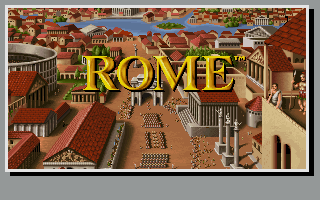
For a game released in the mid-1990s, Rome: Pathway to Power boasts detailed environments that vividly evoke Ancient Rome’s grandeur and grit. The streets of Herculaneum are rendered with cobblestone textures, shadowy alcoves, and bustling market stalls that feel alive. Meanwhile, the looming presence of Mt. Vesuvius in the distance adds a constant reminder of impending disaster, heightening narrative tension.
Character models and NPC animations are serviceable rather than groundbreaking, but they capture the flavor of the era: toga-clad senators, armored legionaries, and bathhouse patrons moving about in realistic fashion. The game’s color palette leans into warm earth tones—sandy yellows, terracotta reds, and muted greens—that amplify the Mediterranean setting. Indoor locations, such as patrician villas or gladiatorial barracks, employ dynamic lighting to underscore tense moments or secretive escapades.
During the strategic battle sequences, the comparison to contemporary real-time strategy games becomes clearer. Unit sprites are small but distinguishable, and battlefield terrain—hills, rivers, and wooded groves—affects movement and line of sight. Although not as crisp as later 3D titles, these visuals serve the gameplay well, providing enough clarity to make informed tactical decisions without overwhelming the player with extraneous details.
Story
The narrative of Rome: Pathway to Power is its greatest strength, charting a classic rags-to-riches arc set against the evocative backdrop of Ancient Rome. You begin life as a humble slave in Herculaneum, experiencing firsthand the perils of servitude and the caprices of the volcanic beast that will soon destroy your hometown. This dramatic opening firmly establishes stakes and empathy for your character’s plight.
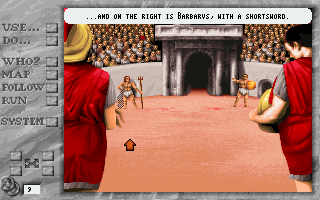
As you journey to Rome, the game immerses you in the social hierarchy and political machinations of the Republic. Missions deliver meaningful context—whether you’re rescuing a fellow gladiator, negotiating treaties on behalf of a powerful patrician, or unearthing conspiracies within the Senate. Each chapter builds upon the last, weaving personal vendettas, alliances, and betrayals into a cohesive storyline that keeps you invested in the climb from Captain to Emperor.
Dialogue-driven cutscenes and journal entries deepen the lore, offering glimpses into Roman culture and family ties. You’ll encounter memorable NPCs—a rival senator whose ambitions clash with your own, a trusted centurion who helps train your forces, and even the common folk whose fates hinge on Rome’s expansion. These interactions ground the epic sweep of history in the personal journey of the protagonist.
Overall Experience
Rome: Pathway to Power succeeds in delivering an engaging hybrid of genre elements, balancing narrative depth with tactical variety. Its mix of immersive cityscapes, flexible mission design, and large-scale battles offers a refreshing contrast to more linear, single-focused titles of its era. Decisions you make in adventure segments can ripple into military campaigns and political outcomes, lending genuine weight to each choice.
While the graphics and animations show their age, the atmosphere remains compelling thanks to detailed level design and period-appropriate music. The soundtrack’s flute motifs and marching drums reinforce the sense of a living, breathing Rome on the brink of cataclysm and conquest. Load times and interface quirks occasionally interrupt pacing, but overall, the technical presentation holds up for those willing to overlook minor inconveniences.
For players intrigued by historical simulations, role-playing depth, or light strategy, Rome: Pathway to Power offers a uniquely layered narrative experience. Its highs—dramatic volcanic eruptions, tense gladiatorial bouts, and sweeping battlefield victories—far outweigh occasional lows. If you’ve ever dreamed of rising from a downtrodden slave to the ruler of the greatest empire on earth, this game provides a rewarding path to power.


Reviews
There are no reviews yet.