 Retro Replay Retro Replay gaming reviews, news, emulation, geek stuff and more!
Retro Replay Review
Gameplay
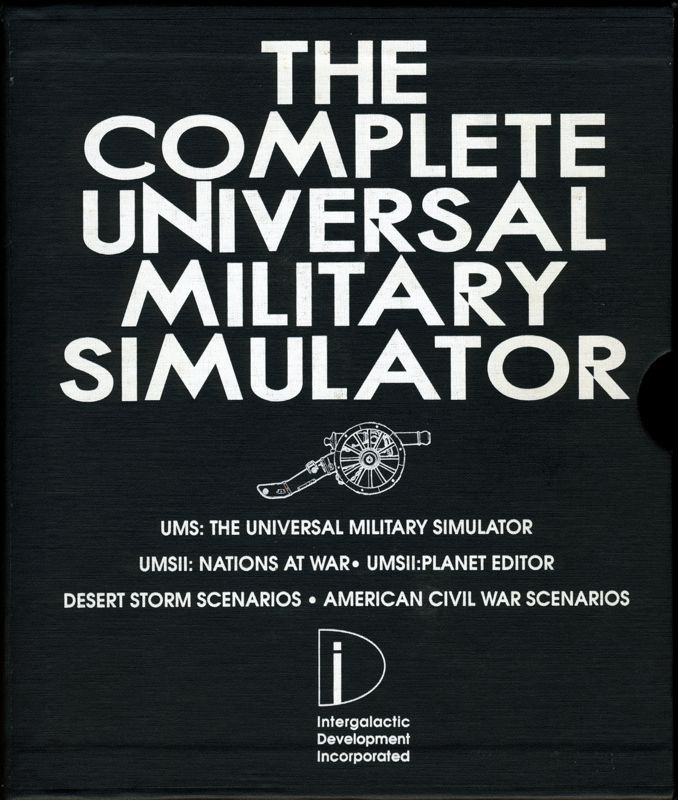
The Complete Universal Military Simulator delivers an intricate wargaming experience that caters to both veteran strategists and curious newcomers. At its core are the two main titles—UMS: The Universal Military Simulator and its sequel, UMS II: Nations at War—each offering a deep level of strategic control. From choosing troop formations to managing supply lines, the level of detail available in each scenario gives players a true sense of command responsibility.
(HEY YOU!! We hope you enjoy! We try not to run ads. So basically, this is a very expensive hobby running this site. Please consider joining us for updates, forums, and more. Network w/ us to make some cash or friends while retro gaming, and you can win some free retro games for posting. Okay, carry on 👍)
One of the package’s standout features is the inclusion of the UMS II Planet Editor, which unlocks near-limitless replayability. Aspiring military planners can design their own theaters of war, manipulating terrain, weather, and force compositions to test new tactics. This level of customization is rare even in modern wargames, and it’s a testament to the longevity of the UMS concept.
Beyond the original scenarios, the compilation expands its scope with brand-new modules covering Operation Desert Storm and the American Civil War. These additions not only broaden the historical range but also introduce varied tactical challenges—from mechanized desert thrusts to massed infantry clashes in wooded American landscapes. Each new scenario feels thoughtfully integrated, ensuring you never exhaust the package’s strategic possibilities.
Graphics
By contemporary standards, the visuals of The Complete Universal Military Simulator are decidedly retro, hearkening back to the DOS era with simple, icon-driven interfaces and 2D overhead maps. The hex-based grid system remains functional, providing clarity when plotting troop movements and artillery barrages. While there’s no illusion of photorealism, the graphics serve their purpose admirably, keeping the battlefield legible even in the heat of complex engagements.
Terrain types—plains, forests, rivers, and cities—are rendered in a straightforward palette, ensuring quick recognition of key features. Unit counters display essential information at a glance, and color-coding helps distinguish between friendly, enemy, and neutral forces. It’s a design philosophy that prioritizes usability over aesthetic flourish, and for players focused on tactics, that’s exactly what matters most.
Though the UI feels dated, it’s surprisingly robust once you acclimate. Menus for selecting orders, assigning combat values, and tweaking environmental conditions remain responsive and logically organized. The pull-out binder included in the box provides physical reference for icons and symbols, reducing the need to pause and hunt through digital manuals. In sum, while you won’t mistake UMS for a modern graphically-intensive title, its visuals are clear, purposeful, and authentic to the period of its original release.
Story
Unlike narrative-driven wargames, The Complete Universal Military Simulator doesn’t weave a continuous storyline; instead, it offers discrete historical and hypothetical scenarios. Each battle scenario opens with a concise briefing outlining strategic objectives, force dispositions, and terrain challenges. These introductions set the stage, allowing players to immerse themselves in the operational mindset required for each conflict.
The historical flavor is strongest in custom modules like Operation Desert Storm and the American Civil War. Desert Storm scenarios capture the modern interplay of combined arms—tanks, infantry, and air support—while Civil War engagements emphasize massed infantry tactics and the logistical struggles of 19th-century warfare. This juxtaposition highlights how military doctrine has evolved over centuries, offering players a kind of living history lesson with every playthrough.
For those seeking narrative depth, the real “story” unfolds on the tabletop of dynamic battles. Fluctuating morale, shifting supply lines, and unexpected enemy maneuvers create emergent drama that can rival even the most scripted campaigns. Each victory feels hard-won, each defeat a lesson in battlefield decision-making. In this way, UMS crafts its own tales of triumph and tragedy without relying on predefined plotlines.
Overall Experience
From the moment you slide open the special black box-sleeve to reveal the pull-out binder, manuals, and disks, The Complete Universal Military Simulator exudes old-school charm. The physical presentation is a collector’s dream, evoking a nostalgia for floppy-disk days while providing a tactile reference that enhances the digital gameplay. It’s a package designed to be cherished, not just installed and forgotten.
Installation and setup are straightforward, though certain DOS-era quirks may arise on modern systems. Fortunately, the manuals—both digital and physical—provide clear steps for troubleshooting and configuration. Once you’re up and running, you’ll find the game’s depth is immediately apparent, rewarding patience and strategic experimentation.
Ultimately, The Complete Universal Military Simulator shines for enthusiasts of detailed, scenario-driven wargaming. Its combination of classic titles, expanded scenarios, and a robust editor makes it a versatile toolkit for crafting and replaying conflicts across centuries. Newcomers should be prepared for a learning curve, but the payoff is a richly rewarding sandbox of military history. Whether you’re reliving famous clashes or dreaming up alternate realities, this compilation offers enduring strategic value that stands the test of time.


Reviews
There are no reviews yet.