 Retro Replay Retro Replay gaming reviews, news, emulation, geek stuff and more!



Retro Replay Review
Gameplay
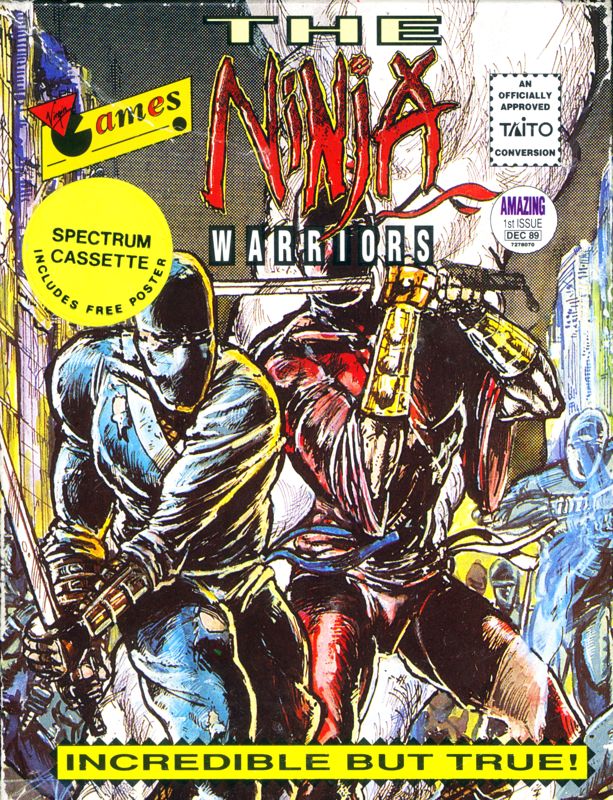
The Ninja Warriors delivers a classic side-scrolling beat-em-up experience that feels as satisfying today as it did in the arcades. You control a cybernetic ninja (or two, in two-player mode) and press forward through hordes of enemy cyborgs, soldiers, and mechanical beasts. The combat system is deceptively simple—punch, kick, throw shuriken and knives—but it offers a surprising level of depth when you learn to juggle combos, time your defensive maneuvers, and exploit enemy weaknesses.
(HEY YOU!! We hope you enjoy! We try not to run ads. So basically, this is a very expensive hobby running this site. Please consider joining us for updates, forums, and more. Network w/ us to make some cash or friends while retro gaming, and you can win some free retro games for posting. Okay, carry on 👍)
One of the most memorable mechanics is the visual damage indicator. As your ninja takes hits, the once-pristine garb tears away to reveal gleaming robotic limbs, torso panels, or a metallic skull beneath. This not only serves as a dramatic flourish but also provides immediate feedback on your remaining vitality. Let the damage bar drop too low and your ninja will spectacularly explode, scattering mechanical components across the battlefield.
The pacing of the levels keeps your adrenaline high. Between standard foot soldiers and tougher miniboss encounters—complete with unique attack patterns—there’s little downtime. Enemies spawn from multiple directions, forcing you to stay mobile, manage crowd control, and decide when to conserve powerful weapons like shuriken or deploy them in rapid succession. The dynamic loading system borrowed from SDS (Dynamic Loading System) means enemy sprites and stage elements seamlessly appear without lag, even when the action heats up.
Graphics
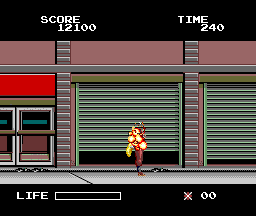
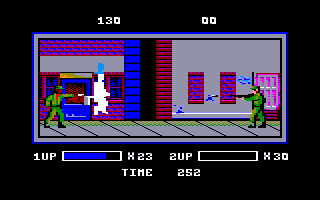
Visually, The Ninja Warriors is a widescreen marvel. The original Taito arcade cabinet boasted three side-by-side monitors, giving you an expansive field of view for sprawling neon cityscapes and industrial complexes. On the Amiga, developers cleverly adapted this setup into a letterbox format, preserving as much of the panoramic art as the hardware allowed. The result is richly detailed backgrounds that scroll smoothly alongside the frenetic action in the foreground.
Character sprites are large, expressive, and animated with fluid transitions between moves. Each punch or kick is drawn in multiple frames to convey weight and impact, while enemy designs vary from sleek cyber-ninjas to hulking mech soldiers. Environmental details—flickering neon signs, steam vents, and crumbling concrete—add atmosphere and situate you firmly in a dystopian future.
The color palette strikes a balance between stark metallic grays and vibrant accent hues. You’ll notice deep blues and purples in the night-time city stages and bright oranges or reds in fiery factory levels. Even with the hardware limitations of early ’90s coin-op and home computer platforms, The Ninja Warriors stands out for its bold art direction and consistent visual fidelity throughout all stages.
Story
At its core, The Ninja Warriors presents a simple but effective narrative premise: in a near-future autocracy, three renegade scientists create biomechanical ninjas to overthrow a tyrannical regime. You step into the metallic boots of one of these super-soldiers, each driven by his own sense of justice and purpose. While the story isn’t heavily woven into the beat-’em-up formula, it provides enough context to make each level feel like a mission rather than a repetitive brawl.
Story progression is communicated through brief cut-scenes or text screens between stages. You’ll see schematics of your robotic hero, witness the dictator’s oppressive tactics, and catch glimpses of the scientists working behind the scenes. This minimalist storytelling approach keeps the focus squarely on action, yet still rewards players with a sense of narrative momentum as they advance.
Character personalities shine through their mechanical designs and combat styles. Whether you prefer a balanced fighter or a speed-oriented ninja armed with rapid shuriken attacks, you can sense each prototype’s unique strengths and weaknesses. Although there are no deep dialogue trees or branching paths, the straightforward plot and distinctive character aesthetics deliver just enough intrigue to drive you forward across all the game’s stages.
Overall Experience
The Ninja Warriors stands as a testament to the golden age of arcade beat-’em-ups. Its blend of tight controls, creative damage visuals, and wide-screen presentation makes it a standout even today. Whether you’re tackling the coin-op original across three monitors or enjoying the Amiga’s letterboxed adaptation, the core fun remains undiminished: fast-paced combat against overwhelming odds.
Multiplayer mode significantly ramps up the enjoyment, turning every encounter into a cooperative scramble to fend off foes. Teamwork becomes essential when enemies surround you, and sharing the screen’s real estate adds a layer of strategy: who takes the left flank while the other covers the right? Even solo players will appreciate the game’s balanced difficulty curve, which ramps up steadily without feeling unfair.
For fans of retro beat-’em-ups and those curious about arcade history, The Ninja Warriors is a must-play. It combines nostalgic charm with gameplay elements—like dynamic sprite loading and cinematic widescreen art—that were ahead of their time. If you’re looking for an engaging, action-packed romp through a cyberpunk ninja fantasy, this title delivers in spades.

Reviews
There are no reviews yet.