 Retro Replay Retro Replay gaming reviews, news, emulation, geek stuff and more!
Retro Replay Review
Gameplay
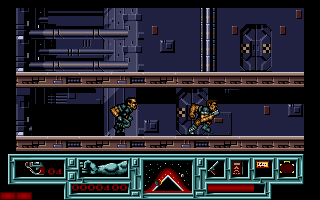
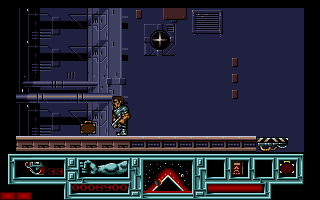
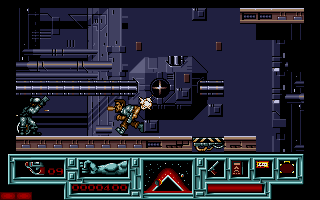
The core of Total Recall revolves around a dual-genre structure that keeps you on your toes. Alternating between tight, combat-focused platforming stages and high-speed, side-scrolling driving sections, each level feels distinct yet cohesive. In platforming segments, you’ll guide Doug Quaid through hazardous corridors and alien-infested back alleys, using a combination of captured weapons and his own powerful fists to fend off relentless guards. The ability to duck incoming fire adds a layer of tactical depth, forcing you to time your dodges and strikes precisely.
(HEY YOU!! We hope you enjoy! We try not to run ads. So basically, this is a very expensive hobby running this site. Please consider joining us for updates, forums, and more. Network w/ us to make some cash or friends while retro gaming, and you can win some free retro games for posting. Okay, carry on 👍)
Driving levels inject a burst of adrenaline, as Quaid’s vehicle barrels forward at a constant pace, demanding quick reflexes to dodge traffic or blow obstacles out of the way with mounted guns. Surviving each stretch isn’t just about raw speed; it’s about learning patterns, pinpointing safe lanes, and conserving ammunition for the boss vehicle showdown at the end of each run. These segments break up the combat with a satisfying change of pace, ensuring the momentum never stalls.
Puzzle elements also sneak into the mix, most notably in the dual-character level where you alternate between Quaid and the resistance fighter Melina. Switching characters mid-stage challenges your problem-solving skills, as you synchronize actions—Melina unlocking doors for Quaid, Quaid clearing the path for Melina. Though brief, these moments inject fresh variety and pay homage to the film’s alliances, making you feel like an active participant in their struggle.
Difficulty ramps steadily across the seven levels, striking a balance between accessible and demanding. Early stages ease you into mechanics by scattering keycards and simple weapon pickups, while later Earth and Mars levels crank up enemy density and environmental hazards. A limited-life system and sparse health pickups mean mistakes are costly, but patience and map memorization pay dividends. Overall, the gameplay loop is tight, varied, and captures the feel of a cinematic action romp.
Graphics
On the Amiga and Atari ST hardware, Total Recall punches well above its weight class. Character sprites are impressively detailed, with Quaid’s bulky frame and the snarls on enemy faces rendered in crisp, colorful pixels. Backgrounds vary from sterile industrial hallways on Earth to rust-red Martian caverns, using a well-chosen palette that distinguishes each environment. Though the machines lack the color depth of later consoles, the art direction makes smart use of contrast and shading to convey atmosphere.
Animation is fluid without being overly extravagant. Quaid’s walk cycle and punch animations convey weight, and enemy reactions—flinching, falling back—feel responsive. Driving sequences benefit from parallax scrolling, giving the sense of speed as cityscapes and desert vistas zip past. Boss vehicles sport rotating turret turrets and flashing lights, adding visual flair to high-stakes encounters. Frame rates stay impressively stable, ensuring no slowdown dampens the intensity.
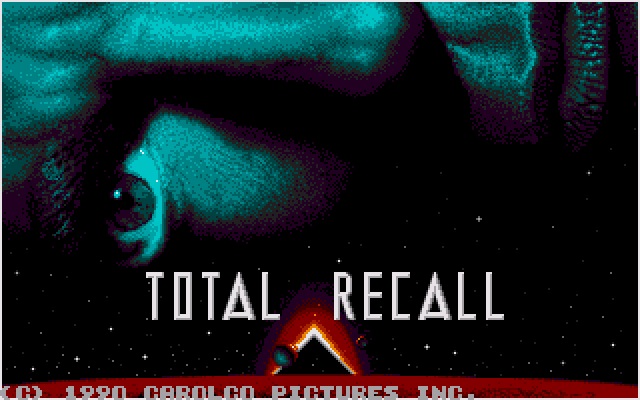
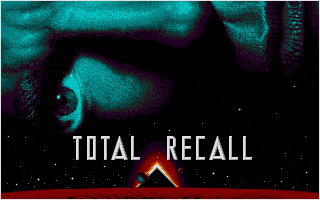
Cutscenes between levels use simple animation loops combined with text captions to advance the story. While they lack voice acting and sophisticated cinematics, these interludes effectively recap plot points and ramp up anticipation for the next mission. The stark transition from cutscene to gameplay maintains immersion, even if the presentation feels retro by today’s standards. Fans of pixel art will appreciate the nostalgic charm; newcomers will find the aesthetics clear and purposeful.
Minor graphical hiccups emerge in some Mars levels, where background tiles occasionally flicker during heavy on-screen action. These are infrequent and never impede readability, but retro enthusiasts might notice. Overall, the visual package remains one of the title’s strongest selling points, demonstrating what 16-bit platforms could achieve when developers prioritized design and performance in equal measure.
Story
Total Recall faithfully adapts the key beats of its cinematic namesake while offering interactive twists. Doug Quaid’s journey from bored construction worker to fugitive secret agent plays out across cutscenes and mission objectives. Early missions introduce restless dreams of Mars and the Rekall facility, setting the stage for a memory-implant procedure gone awry. When Quaid’s true identity as a Martian government operative resurfaces, the narrative stakes skyrocket, framing each level as a step toward reclaiming his past.
Despite being an action game first and foremost, the story integration never feels tacked-on. Cutscenes use bold captions to relay dialogues—“Quaid, they’re coming for you!”—and camera pans to illustrate escapes or revelations. As you progress from neon-lit Earth sprawls to the rust-colored deserts of Mars, the plot escalates logically. Moments like the Melina puzzle stage reinforce trust and betrayal themes, highlighting the duo’s evolving relationship without bogging down gameplay with lengthy exposition.
While the game condenses events to fit seven levels, it retains the film’s core moral tension: what defines identity when memory is mutable? Optional pickups include audio logs and dossier pages that flesh out the Martian resistance, rewarding exploration with backstory tidbits. Though brief, these collectibles provide extra context and invite players to ponder the larger socio-political conflict behind Quaid’s personal quest.
Ultimately, the streamlined narrative delivers blockbuster thrills with minimal downtime. It may not rival a full-fledged RPG in character development, but it strikes a satisfying balance—presenting an accessible, action-packed storyline that honors the source material while allowing players to shape Quaid’s fate through skill and daring.
Overall Experience
Total Recall stands as a testament to the creativity of early 16-bit developers, blending genres, compelling presentation, and solid level design. Its alternating gameplay styles keep the adrenaline pumping, while just enough narrative threads hold it all together. Even decades after its release, the game’s pacing and challenge curve feel remarkably modern, delivering bite-sized missions that resonate with today’s quick-session gamers.
Replay value hinges on perfectionism: completing levels without losing a life or unearthing all hidden collectibles offers an extra layer of engagement. Speedrunners will find the driving sequences especially addictive, chasing split-second shortcuts to shave valuable seconds off their runtime. Meanwhile, casual players can soak up the platforming action and story beats at a more relaxed pace, thanks to generous continue points.
Multiplayer may be absent, but the game’s inherent variety—seven unique levels spanning two distinct worlds—ensures you’re never stuck in a monotonous groove. Thematically, it remains a standout adaptation, giving fans of the film an interactive vehicle for revisiting beloved scenes while offering newcomers a hardcore action challenge. Sound effects and chiptune melodies punctuate each encounter, adding sonic oomph without ever feeling grating.
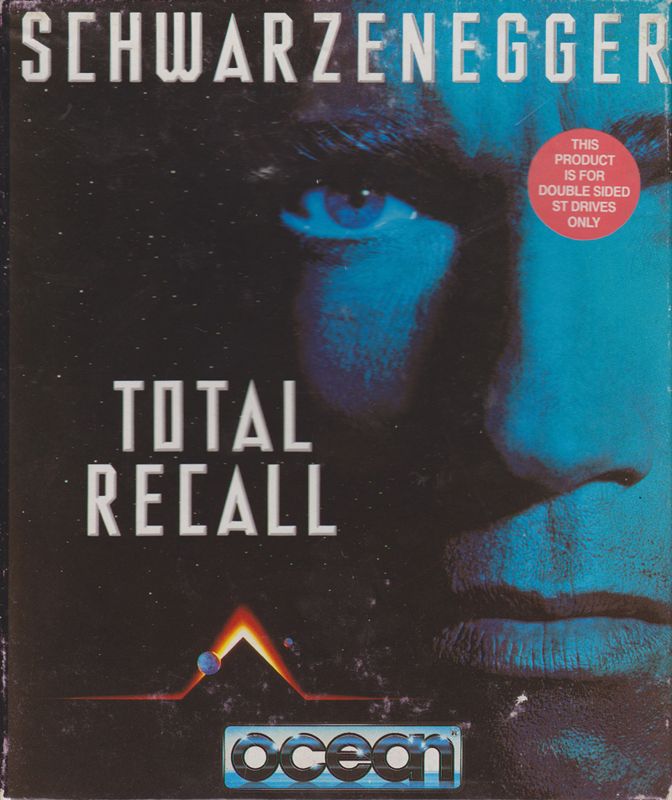
For collectors and retro enthusiasts, Total Recall on Amiga and Atari ST is a must-play. Its polish and ambition exceed many contemporaries, and its core mechanics still inspire modern indie titles. Whether you’re drawn by nostalgia or seeking an old-school thrill ride, this game delivers a memorable blend of fists, firearms, and futuristic intrigue from Earth’s gritty streets to Mars’s red sands.


Reviews
There are no reviews yet.