 Retro Replay Retro Replay gaming reviews, news, emulation, geek stuff and more!


Retro Replay Review
Gameplay
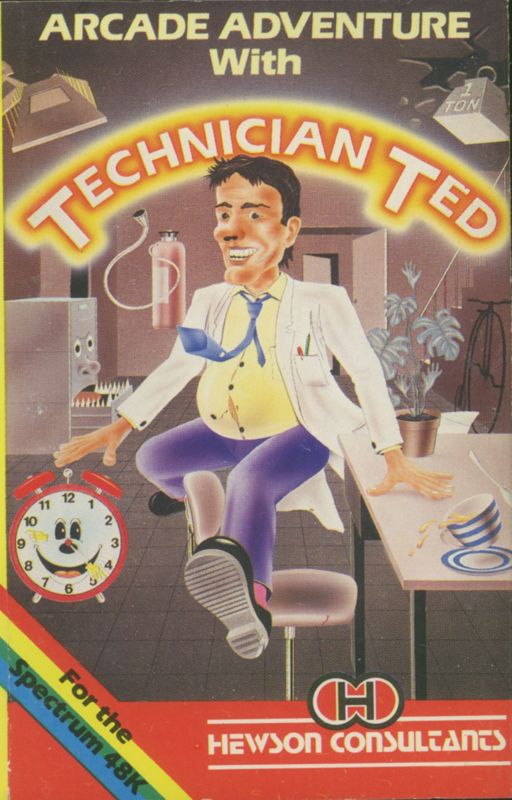
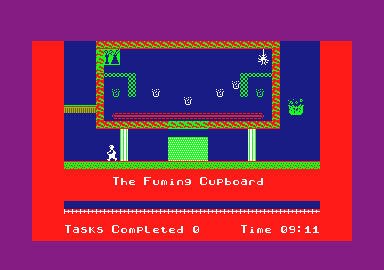
The core gameplay of Technician Ted is a tight blend of platforming, exploration, and puzzle-solving that keeps you engaged from the opening screen. You guide Ted through dozens of interconnected rooms in a sprawling computer chip factory, each linked by lifts, floor and ceiling shafts, and hidden passageways. These rooms aren’t merely cosmetic: they contain moving hazards, lava pits, and deadly drops that sap Ted’s single life bar with every contact. Precision jumps and split-second timing become second nature as you learn each room’s layout and enemy patterns.
(HEY YOU!! We hope you enjoy! We try not to run ads. So basically, this is a very expensive hobby running this site. Please consider joining us for updates, forums, and more. Network w/ us to make some cash or friends while retro gaming, and you can win some free retro games for posting. Okay, carry on 👍)
What sets Technician Ted apart is its open-ended task structure. You have 21 distinct objectives to complete within an 8½-hour in-game shift, but the game never holds your hand as to which task comes next. Logical deduction and careful exploration are your keys to success. For instance, reaching the power generator might require activating a lift in another wing of the factory or solving a mini-puzzle near the photocopier. The satisfaction of working out the optimal sequence of tasks gives the title a real puzzle-adventure feel.
Adding further depth is the game’s Event Processing system. Actions in one room can alter layouts or trigger new hazards elsewhere, meaning you’ll often return to earlier sections to discover that levers have shifted platforms or that doors you couldn’t open before are now accessible. On top of that, each room hides two flashing control boxes that must be hit—sometimes under a strict time limit—adding a tense, arcade-like urgency to proceedings. Balancing the exploration, the timed switches, and the looming energy meter creates a constantly dynamic challenge.
Graphics
Technician Ted’s visuals were groundbreaking for its time, offering a vibrant palette and remarkably smooth animation that holds up surprisingly well today. Every sprite—from Ted himself to the factory’s mechanical fauna—moves fluidly, lending a sense of polish that draws you into the game world. The seamless background scroll in multi-screen areas helps you maintain spatial awareness as you jump between floors and platforms.
The factory setting is richly detailed, with each room sporting its own color scheme and hazard set. Bright warning stripes frame conveyor belts, while pools of glowing lava hiss ominously in other chambers. These visual cues aren’t just for show: they help you memorize safe paths and locate critical switches at a glance. Subtle touches, such as sparks flying from damaged machinery or the glow of the canteen’s neon sign, add atmosphere and reinforce the factory’s lived-in feel.
On the technical side, the uninterrupted soundtrack elevates the presentation. The chiptune score shifts seamlessly between exploration themes and pulse-pounding action cues, never skipping a beat as you traverse lifts or race against timers. Coupled with sound effects that clearly signal successful hits or incoming hazards, the audio-visual package is immersive and never feels dated, even compared to modern retro-styled titles.
Story
While Technician Ted isn’t a story-driven epic in the traditional sense, its narrative context gives every objective a sense of purpose. You play as Ted, a dedicated factory worker whose goal is to keep the chip production line running smoothly before the end of his shift. This simple premise is delivered through in-game memos, brief boss encounters, and environmental storytelling—notes scattered in the photocopier room, flickering console readouts, and overheard snippets from the break room radio.
The lack of a linear narrative actually amplifies player agency. Because it’s up to you to decide which tasks to tackle first, you build your own internal storyline: Did you fix the power generator early to avoid being stranded, or did you brave the lava pits to check on the canteen’s supply? Every decision feels weighty when you know solving one puzzle might complicate another, reinforcing the theme of a hyper-automated factory where every cog is interconnected.
Brief interactions with the boss’s office offer just enough characterization to make you care about Ted’s day. These moments serve as friendly reminders of your in-game time limit and offer hints about task urgency. Though the narrative is minimalistic, it never feels hollow—every switch you press, every corridor you unlock, ties back to the overarching goal of surviving and succeeding before the whistle blows.
Overall Experience
Technician Ted strikes a rare balance between arcade-style thrills and cerebral challenge. The platforming demands are precise but fair, with generous respawn points that keep frustration at bay while still maintaining tension. The sprawling factory layout encourages thorough exploration, and the event-driven room changes mean that backtracking never feels like a rote chore—there’s always the chance you’ll discover something new.
For modern players, the pace may feel brisk, especially if you’re used to hand-holding tutorials. But this sense of old-school discovery is part of the game’s appeal. Every solved puzzle and every mastered platform sequence delivers a rewarding rush. The crisp visuals, smooth animations, and continuous soundtrack create an immersive environment that supports the gameplay rather than distracting from it.
In the final tally, Technician Ted offers substantial replay value. You can challenge yourself to complete all 21 tasks in the shortest possible in-game time, hunt down hidden shortcuts, or simply enjoy the factory’s intricate design. It’s a title that respects your intelligence and reflexes in equal measure, making for a memorable experience that still resonates with retro enthusiasts and newcomers alike.



Reviews
There are no reviews yet.