 Retro Replay Retro Replay gaming reviews, news, emulation, geek stuff and more!


Retro Replay Review
Gameplay
The Legend of Kage delivers a fast-paced, side-scrolling ninja adventure that tests your reflexes at every turn. As Kage, you leap between platforms, scale trees with ease, and dash through each level armed with a razor-sharp sword and a handful of “star knives.” The one-hit-kill mechanic keeps tension high, demanding that you learn enemy patterns quickly and strike with precision. From the very first forest stage to the repeated seasonal cycles, the core loop revolves around mastering timing and spatial awareness.
(HEY YOU!! We hope you enjoy! We try not to run ads. So basically, this is a very expensive hobby running this site. Please consider joining us for updates, forums, and more. Network w/ us to make some cash or friends while retro gaming, and you can win some free retro games for posting. Okay, carry on 👍)
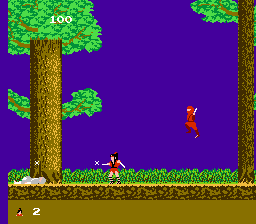
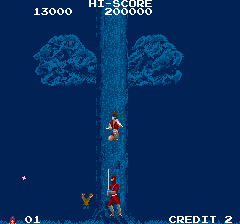
Each environment unveils its own strategic nuance. In the forest, you can spring off branches to surprise unaware foes; at the moat, falling water hazards punish missteps; and within the castle walls, narrow corridors and archers on the ramparts force you to juggle sword blocks with well-timed shuriken throws. Seasonal changes—from verdant spring to snowy winter—keep the visuals fresh, but also subtly tweak enemy speed and projectile frequency as you loop back through the same zones.
Although strictly single-screen play per turn, the two-player alternating mode infuses a competitive edge. Players vie for high scores, pushing each other to clear levels faster or rack up combo kills. The controls feel tight and responsive, allowing for fluid jumps, mid-air shuriken barrages, and instant direction reversals. If you crave a challenge that rewards pattern recognition and split-second decisions, Kage’s gameplay stands the test of time.
Graphics
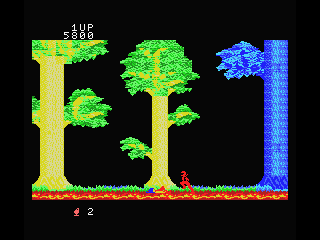
For an arcade title from its era, The Legend of Kage showcases surprisingly vibrant and varied backdrops. Lush greenery frames the forest stages, while the moat’s rippling water effects and cyclical day-to-night transitions bring the setting to life. As the seasons change, you’ll spot falling leaves, drifting snowflakes, or blossoming petals, each layer of parallax scrolling adding a sense of depth that belies the hardware’s limitations.
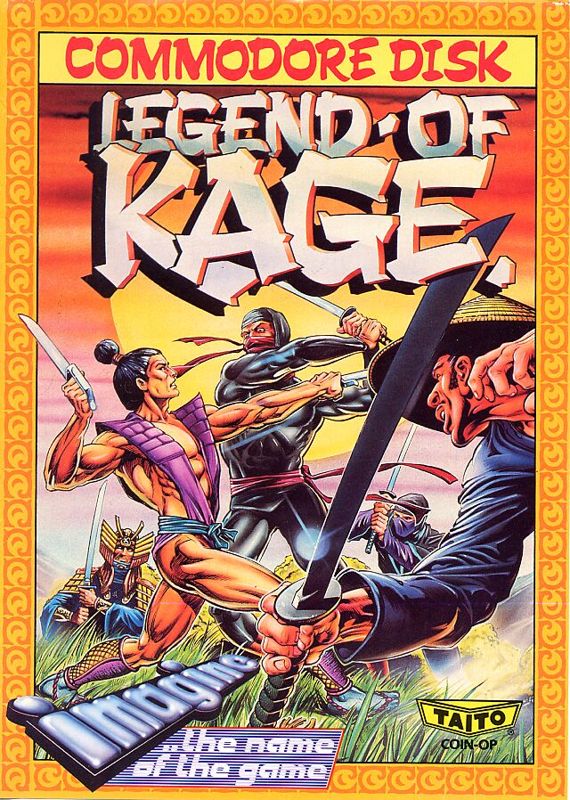
Kage himself is rendered with crisp, readable sprites—his signature green garb, flowing sash, and dramatic high-jump poses are immediately identifiable against busy backgrounds. Enemy designs range from armored samurai to bird-like archers, each sprite boasting just enough animation frames to communicate attack wind-ups or defensive postures. Boss encounters feel grander, with larger, multi-segment sprites that command your full attention.
Special effects like glowing shuriken trails, flashing sword slashes, and momentary freeze-frames on impact punch up the action without overwhelming the screen. Even on modern displays, the classic CRT aesthetic—complete with scanline filtering—can be toggled to recapture the arcade nostalgia. The game’s visual identity remains strong: simple yet evocative, colorful yet cohesive.
Story
At its heart, The Legend of Kage spins a straightforward rescue tale: Princess Kiri has been kidnapped by the warlord Yoshi, and only the legendary ninja Kage can save her. While there’s no deep dialogue tree or branching narrative, the premise lays down clear stakes that motivate every blade strike and shuriken toss. It’s the kind of classic “damsel in distress” storytelling that flourished in 1980s arcade cabinets—immediately accessible and universally understood.
Story beats are communicated through brief cutscenes between loops of the game’s four core environments. After each seasonal cycle, you’re reminded of Yoshi’s growing threat and Princess Kiri’s peril, which cleverly reinforces a sense of urgency despite the repetitive stage design. This cyclical approach isn’t filler—it underscores the idea that time is running out, and each second counts in Kage’s quest.
While there isn’t an expansive lore to unpack, the feudal Japanese backdrop provides enough cultural flavor to spark the imagination. Sword-wielding henchmen, moated gatehouses, and temple roofs conjure a vivid landscape for your ninja exploits. In short, the story may be minimalist, but it serves its purpose: propelling you forward with a clear, singular mission.
Overall Experience
The Legend of Kage remains a shining example of arcade-era design: bite-sized stages, brutally fair difficulty, and a pick-up-and-play philosophy that still resonates today. Each run through the forest, moat, and castle challenges you to improve your reflexes, memorize enemy placements, and optimize your route. The result is a deeply satisfying feedback loop—every near-miss and successful boss takedown feels hard-earned.
Modern players may find the one-hit deaths punishing, but that’s precisely where Kage’s enduring appeal lies. Mastery is its own reward: learn to chain tree-jumps into aerial shuriken attacks, block sword strikes at the last possible moment, and even reclaim lost ground by climbing walls in reverse. The short level cycles make it ideal for quick play sessions, yet there’s enough depth to keep veterans returning for months.
Whether you’re chasing high scores with a friend or reliving the golden age of arcade ninjas solo, The Legend of Kage delivers an energetic, no-frills action experience. Its blend of platforming, combat, and seasonal variety makes it an essential pick for fans of retro gaming, while newcomers curious about Japan’s arcade legacy will find it a strikingly approachable entry point. Prepare to die often, but emerge a sharper, faster ninja with each attempt.


Reviews
There are no reviews yet.