 Retro Replay Retro Replay gaming reviews, news, emulation, geek stuff and more!


Retro Replay Review
Gameplay
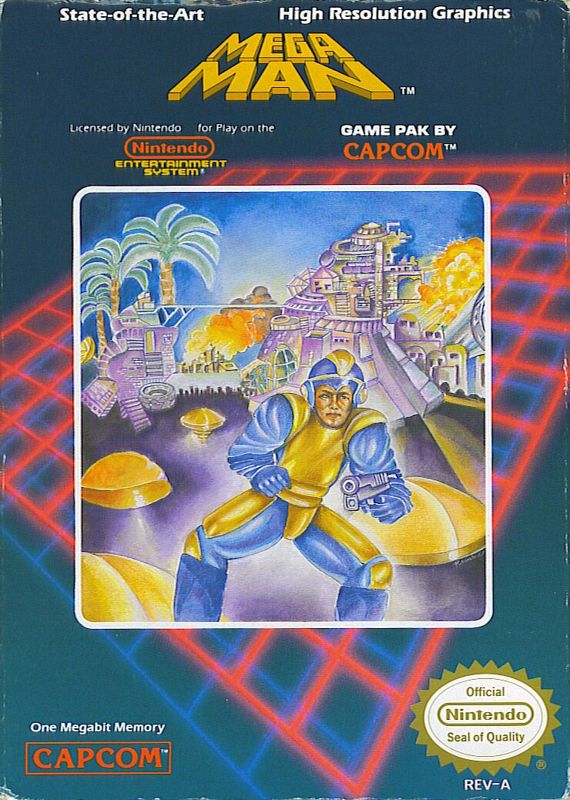
Mega Man’s gameplay is an exemplary model of classic side-scrolling action. Players assume the role of the blue bomber as he runs, jumps, and shoots through intricately designed stages. Each of the six Robot Masters—Bombman, Gutsman, Iceman, Cutman, Elecman, and Fireman—offers a distinct level theme, enemy roster, and environmental hazard, ensuring that no two runs feel identical.
(HEY YOU!! We hope you enjoy! We try not to run ads. So basically, this is a very expensive hobby running this site. Please consider joining us for updates, forums, and more. Network w/ us to make some cash or friends while retro gaming, and you can win some free retro games for posting. Okay, carry on 👍)
One of the defining mechanics is the weapon acquisition system. Upon defeating a Robot Master, Mega Man inherits their unique attack, from the explosive Bombman’s mid-air blasts to the cooling Iceman’s freeze beams. This rock-paper-scissors approach encourages strategic level order: each boss weapon has a specific weakness or strength against another, inviting experimentation as you plan your route and tackle tougher stages with the right tool.
Beyond boss battles, hidden areas pepper the levels, accessible only with certain special weapons or the infamous Magnet Beam power-up. This optional exploration rewards diligent players with extra lives, weapon energy, or shortcuts—adding depth to the core run-and-gun formula. While the base jump-and-shoot feels intuitive, mastery of slide-jumps and precise timing is crucial to avoid instant deaths, keeping the challenge high and engagement even higher.
Enemy variety in Mega Man remains robust, from ground-based walkers to flying drones and environmental traps like conveyor belts and rising fire. Each hurdle tests reaction speed, memorization, and adaptability, resulting in an arcade-like difficulty curve that’s rewarding rather than punishing. Checkpoints and limited continues strike a fine balance: enough forgiveness for newcomers, yet enough trial-and-error for series veterans seeking perfection.
Graphics
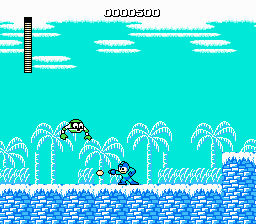
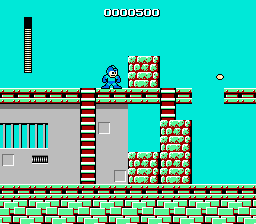
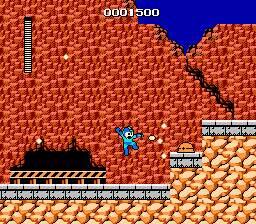
On the NES hardware, Mega Man delivers vibrant, memorable visuals that have aged remarkably well. Character sprites are crisp and full of personality: Mega Man’s chibi silhouette is instantly recognizable, while each Robot Master boasts a distinct color palette and animation cycle that underscores their elemental theme. The sprite-work is surprisingly detailed, given the console’s limitations.
Level design employs bold, contrasting backgrounds to convey atmosphere—icy caverns glint with frosty blues, mechanical factories hiss with steam and molten metal, and electrified power plants crackle with neon highlights. These varied backdrops not only reinforce the narrative premise of Robot Masters’ specialties but also help players quickly read the environment and anticipate hazards.
Animation frames are smooth for the era, particularly in boss encounters, where each Robot Master demonstrates a handful of attack patterns in full-detail. Weapon effects—like the explosive bursts of Cutman’s Rolling Cutter or the flickering of Elecman’s lightning bolts—feel impactful and clear, making it easy to react and strategize accordingly.
While 8-bit audio-visual fidelity can appear simplistic by modern standards, the game’s art direction is so strong that it transcends its pixelated roots. The color limitations are masterfully navigated, and occasional palette swaps keep the experience fresh as Mega Man ventures deeper into Dr. Wily’s domain. Overall, the graphics strike a perfect harmony between style and function.
Story
Mega Man’s narrative is straightforward yet effective: in the futuristic city of Monsteropolis, Progress thrives on robotics. Dr. Light’s commission to build helper robots takes a sinister turn when Dr. Wily hijacks six of them, unleashing chaos in pursuit of world domination. This simple premise sets the stage for a larger conflict between good (Dr. Light and Mega Man) and evil (Dr. Wily and his Robot Masters).
Despite the minimal in-game storytelling—limited to a brief intro and short boss-clear screens—the backdrop provides sufficient context to motivate players. The individuality of each Robot Master is woven into the brief dialogue and stage design, giving personality to ostensibly mechanical foes. Bombman’s explosive sets, Ice Man’s frozen landscapes, and Gutsman’s rugged terrain all feel narratively justified.
Mega Man himself remains a silent protagonist, relying on expressive animations to convey determination and resilience. This choice keeps the focus on gameplay while allowing players to project themselves into the action. The absence of elaborate cutscenes or dialogue doesn’t detract from immersion; rather, it maintains the arcade spirit of “action first, story second.”
As the adventure progresses into Dr. Wily’s fortress, the stakes escalate through progressively intricate stage traps and more relentless enemy patterns. The final decision to confront Wily directly culminates in a multi-phase showdown that punishes any leftover misused weapon or memory lapse—tying gameplay mastery back to the story’s climax in a satisfying payoff.
Overall Experience
Mega Man’s blend of tight controls, strategic weapon usage, and memorable boss encounters creates a timeless experience. Its difficulty curve challenges players to learn from each failure, turning each triumphant boss defeat into a major achievement. For newcomers, the learning process may demand patience, but the sense of progression is highly rewarding.
Replayability is baked into the design. The non-linear boss order and alternate routes unlocked by special weapons invite repeated playthroughs. Players often develop preferred boss sequences, refining their approach for speedruns or personal best times. Collecting extra lives or uncovering every hidden alcove adds another layer of engagement beyond “just beating the game.”
The game’s legacy speaks for itself: Mega Man has become a cornerstone franchise, spawning numerous sequels, spin-offs, and even crossovers. The original’s DNA—simple yet strategic gameplay, charismatic bosses, and catchy chiptune melodies—remains influential decades later, inspiring indie developers and modern platformers alike.
For potential buyers, Mega Man offers both a glimpse into gaming history and a compelling action-platformer that still holds up. Whether you’re chasing nostalgia or discovering it for the first time, this classic delivers an experience that’s challenging, varied, and undeniably fun from start to finish.


Reviews
There are no reviews yet.