 Retro Replay Retro Replay gaming reviews, news, emulation, geek stuff and more!



Retro Replay Review
Gameplay
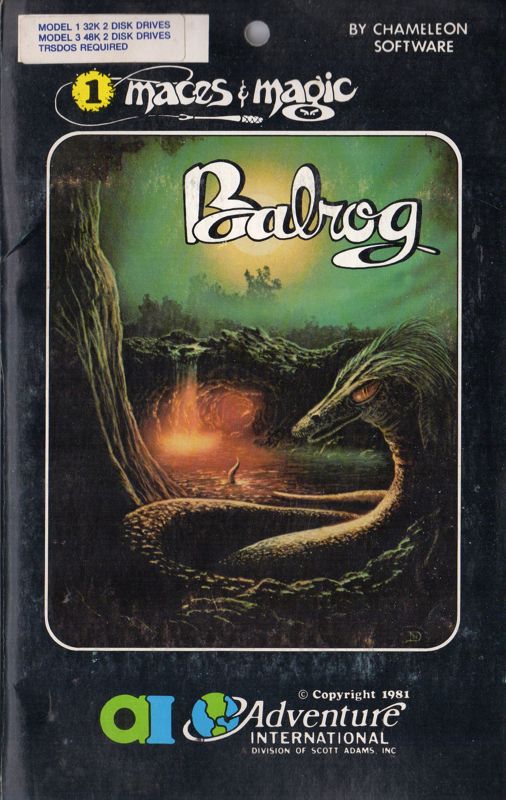
Balrog greets you with an unforgiving dungeon crawl that demands both careful planning and adaptability. From the moment you step into character creation, you choose your hero’s attributes, customize their appearance, and select a fitting array of weapons and armor. Each decision you make—whether it’s favoring a sturdy shield for defense or a nimble dagger for quick strikes—directly influences how you’ll survive the labyrinth below.
(HEY YOU!! We hope you enjoy! We try not to run ads. So basically, this is a very expensive hobby running this site. Please consider joining us for updates, forums, and more. Network w/ us to make some cash or friends while retro gaming, and you can win some free retro games for posting. Okay, carry on 👍)
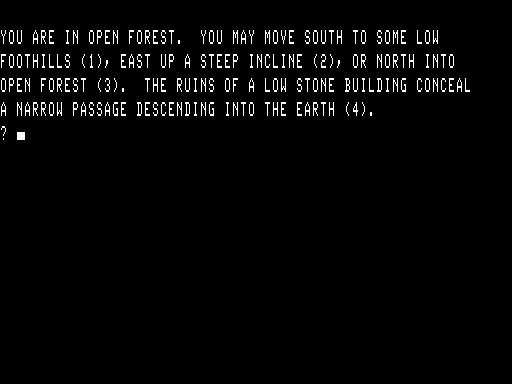
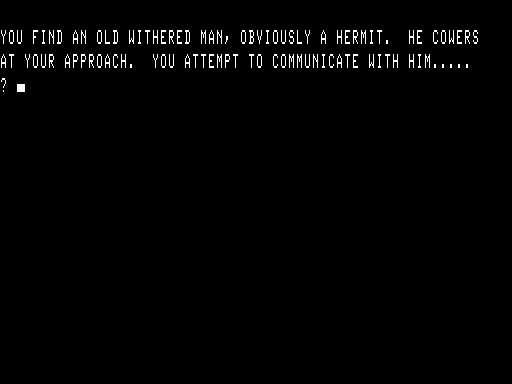
Once your adventurer is ready, the game switches to a mix of freeform text input and multiple-choice prompts. This hybrid system allows you to explore the dungeon in your own words, testing your creativity, while key moments force you to make binary or numbered choices. You’ll constantly weigh the risk of probing deeper into dark corridors against the lure of hidden treasure and vital magical artifacts.
Every dungeon run is a fresh experience thanks to randomized encounters, trap placements, and treasure caches. One session might pit you against a horde of goblins in a narrow choke point, while the next could see you eluding venomous dart traps in an abandoned armory. Permadeath looms large—if your character falls, you can only reload a previous save or start anew, though surviving heroes can be exported into later episodes for continued adventuring.
Adding to the tension is the ever-present threat of the Chromatic Dragon, a legendary boss whose unpredictable breath attacks can turn a confident foray into a race for your life. Mastering Balrog requires learning the dungeon’s rhythms, carefully managing your inventory, and making split-second choices that can mean victory or oblivion.
Graphics
Visually, Balrog embraces the aesthetic of early computer RPGs with simple tile-based layouts and modest sprite work. While the graphics may feel dated compared to modern standards, each dungeon tile, monster icon, and menu screen is crisp and functional. The emphasis here is on clarity—every object is easily identifiable, which is crucial when trap squares can spell an instant end to your exploration.
Color palettes are used sparingly but effectively, especially when highlighting key elements like treasure chests, locked doors, or the dreaded lair of the Chromatic Dragon. The dragon itself is rendered in vivid hues that set it apart from lesser foes, warning you of the peril ahead. Though animations are minimal—mostly flickering torches and simple attack motions—they serve to keep your focus squarely on tactical decision-making.
What Balrog lacks in high-definition graphics it more than makes up for with atmospheric sound cues and imaginative text descriptions. A creaking door, a distant roar, or the clinking of coins all deepen immersion, painting a richer picture in your mind than pixels alone ever could. Fans of retro visuals will appreciate the nostalgic charm, while newcomers can enjoy a lean interface that prioritizes gameplay over gloss.
Story
At its core, Balrog is a sampler for the broader Maces and Magic series, offering a distilled taste of the lore, mechanics, and high-stakes peril found in later installments. The narrative thrust is straightforward: delve into a sprawling dungeon, amass treasure, overcome monstrous guardians, and ultimately challenge the Chromatic Dragon. Yet within this framework lies room for emergent storytelling driven by your actions and the dungeon’s random events.
The branching choices and freeform commands allow you to craft a unique tale each time you play. Will you press on through a corridor that echoes with distant growls, hoping to claim booty? Or will you fall back to tend to your wounds and regroup? These decisions foster personal investment in your character’s arc, turning Balrog’s minimalist plot into a canvas for your own heroic—or tragic—epic.
Despite its brevity as a sampler, Balrog hints at deeper mythologies. Scattered scrolls reference ancient wizards, lost civilizations, and mysterious artifacts rumored to bend reality. These breadcrumbs lay the groundwork for the richer lore found in the full Maces and Magic titles, making Balrog an enticing prologue for series enthusiasts and a rewarding standalone adventure for dungeon-crawl aficionados.
Overall Experience
Balrog stands out as a cult classic: a rare, hard-to-find title that offers a robust dungeon-crawling experience in a compact package. Its blend of freeform input, strategic inventory management, and permadeath mechanics creates a high-tension environment that will appeal to players who relish challenge and replayability. Each run feels meaningful, whether you’re salvaging narrow victories or meeting a swift demise at the jaws of a trapdoor.
While modern gamers might be accustomed to point-and-click convenience and cinematic visuals, Balrog’s stripped-down approach is a refreshing throwback to an era when imagination filled in graphical gaps. The satisfaction of outsmarting a hidden trap or narrowly evading the Chromatic Dragon’s multicolored fury is heightened by the game’s lean presentation and responsive controls.
For collectors and retro RPG enthusiasts, Balrog is a must-seek treasure that presages the depth and complexity of the Maces and Magic lineage. Its challenging dungeon design, randomized events, and character persistence across episodes ensure that no two adventures feel the same. If you’re ready to test your wits, forge your own legend, and face down draconic doom, Balrog awaits—if you can find it.


Reviews
There are no reviews yet.