 Retro Replay Retro Gaming History, Reviews & Emulation

Retro Replay Review
Gameplay
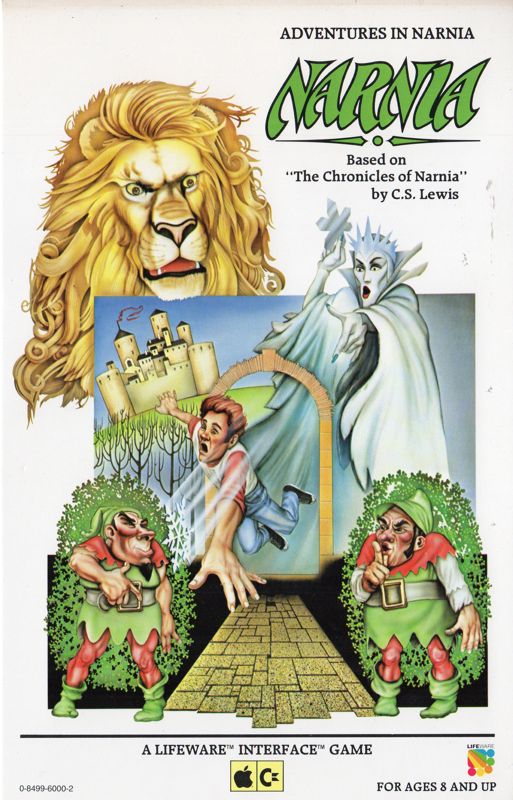
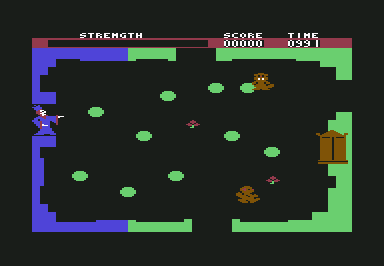
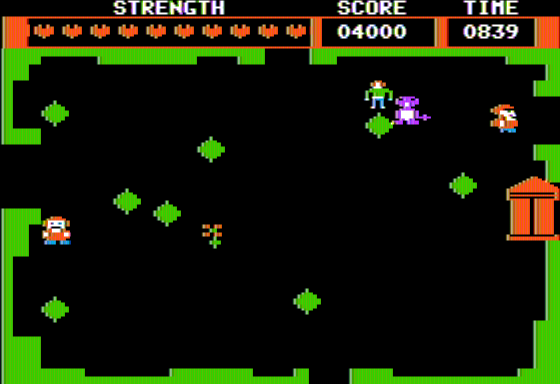
Narnia starts with a pleasingly direct goal: the witch has frozen the land, and you need ten hearts before time runs out. Touching flowers and beavers earns those hearts and gradually returns green to Narnia, so even the basic act of moving around has a clear purpose. You are not simply collecting points; you are trying to gain strength while the clock presses.
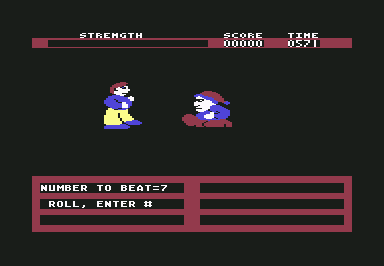
The trouble arrives with the dwarves. Contact sends you into a battlefield where a dice roll decides whether you keep your heart, and losing one can feel especially harsh when you have been working toward that ten-heart target. Edmund adds another source of pressure: if he gets through to the witch, the game ends, so you must break off from gathering and intercept him. That makes the opening episode more frantic than its gentle source material might suggest.
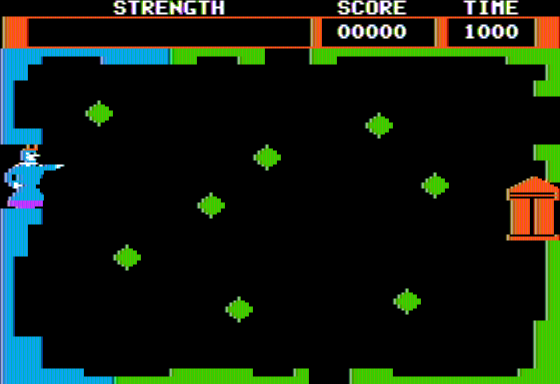
Episode two changes the rhythm without abandoning the dice. You work through an ice maze toward Aslan while avoiding crystals that remove hearts and gravity chutes that dump you back at the bottom. Doors lead to card sub-adventures built around particular rolls, such as hitting odd numbers or beating your previous result. It is a curious blend of action and tabletop chance. If random outcomes amuse you, the card challenges give the maze some welcome variety; if they irritate you, they can make progress feel less earned.
Graphics
The top-down viewpoint suits the first episode’s chase for flowers, beavers, dwarves, and Edmund, while the ice maze gives the second episode a more enclosed look. The contrast between frozen Narnia and the areas you gradually turn green is the clearest visual idea in the game.
Story
This is a stripped-down Narnia conflict rather than a deep retelling. The witch freezes the land, sends dwarves to crush flowers and beavers, and tries to prevent you from becoming strong. That is enough to give the heart-collecting a story reason, even if the game is far more interested in the immediate challenge than in character scenes.
Edmund’s occasional appearance is the strongest narrative hook because he creates a live failure condition. You are not only racing a timer; you are watching for someone whose escape ends the episode. It is a simple use of the source material, but it gives the chase a recognizable Narnian tension.
The trip through the ice maze to reach Aslan provides a clean second-act destination. Fenris Ulf and Jadis also appear in the card encounters, keeping familiar names attached to the dice challenges. Fans of the books may appreciate seeing these pieces of the world used, though the story mainly serves the game board-like structure.
Overall Experience
What makes Narnia interesting today is its willingness to combine a top-down action game with cards and dice. The first episode has a real scramble to it, and the second gives you a different sort of obstacle course. Neither side is elaborate, but the two-part structure prevents the game from feeling like one repeated task.
Its biggest weakness is also its defining idea: too much rides on the roll. Losing a heart after a dwarf encounter, or failing a card challenge at the wrong time, can make a run feel needlessly fragile. The gravity chutes and crystal hazards add more ways for the maze to push you back, so patience matters as much as quick reactions.
Give it a chance if you have affection for early computer games that blur the line between an arcade challenge and a small tabletop game. Narnia has a distinctive premise, clear goals, and just enough pressure to stay lively. The payoff is modest, but its unusual dice-and-card structure makes it more memorable than a routine licensed adaptation.

Reviews
There are no reviews yet.