 Retro Replay Retro Replay gaming reviews, news, emulation, geek stuff and more!



Retro Replay Review
Gameplay
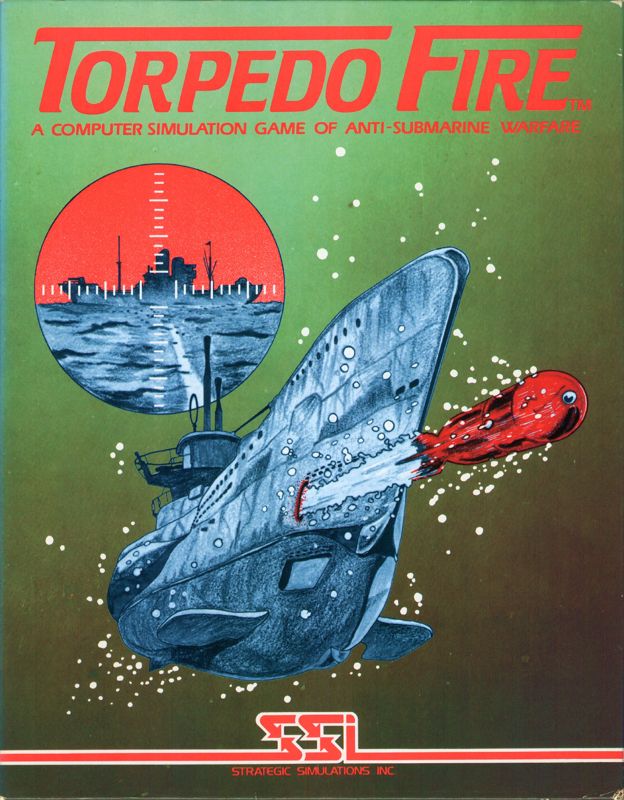
Torpedo Fire delivers a deeply strategic turn-based experience that immerses you in World War II naval combat. Each turn equates to a full hour of real-time action, giving players ample opportunity to plan maneuvers, plot torpedo shots, and coordinate fleet movements. The pacing strikes a satisfying balance: it’s deliberate enough for thoughtful tactics without dragging into downtime.
(HEY YOU!! We hope you enjoy! We try not to run ads. So basically, this is a very expensive hobby running this site. Please consider joining us for updates, forums, and more. Network w/ us to make some cash or friends while retro gaming, and you can win some free retro games for posting. Okay, carry on 👍)
Players can assume the helm of either a stealthy submarine commander or a vigilant destroyer captain. Submarine play centers on periscope-based targeting, silent running, and managing battery power; destroyer play emphasizes sonar pings, depth-charge volleys, and escort tactics. In both roles, you also oversee additional vessels under your command, issuing formation orders and area-of-operation assignments to maximize your side’s effectiveness.
Hot-seat multiplayer lets two friends swap seats around the same machine, recreating tense cat-and-mouse duels in your living room. For solo players, the computer AI scales to challenge veteran tacticians, adapting its search patterns and engagement rules. The included introductory mission eases newcomers into the mechanics, while the SSI Shipyard program unlocks custom scenarios and full campaign design for limitless replayability.
Graphics
Torpedo Fire’s visual presentation is functional and era-accurate rather than flashy. The periscope view for submariners features a circular viewport with crosshair reticles, range indicators, and simple shading to simulate depth of field. Though it lacks modern graphical polish, this interface captures the tension of stalking prey beneath the waves.
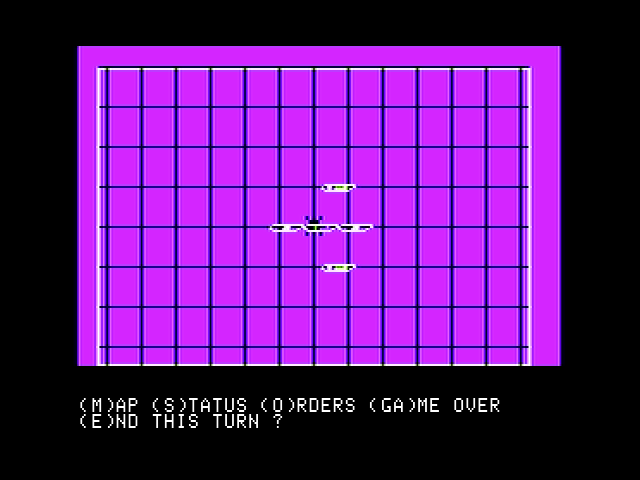
The destroyer’s radar and sonar screens adopt a stark, minimalist aesthetic: blips on a circular grid, range rings, and sector readouts. While the color palette is limited, each ping echo and torpedo track is clearly delineated, ensuring you can make split-second tactical decisions. Ship icons on the strategic map are crisp pixel art, neatly conveying vessel types and headings.
Menus and data readouts lean heavily on text and numeric displays, presenting ship databases, weapon statistics, and damage reports in tabular formats. For players accustomed to modern UI conventions, there’s a learning curve, but once mastered, the system feels intuitive—every stat and parameter is at your fingertips, with no hidden modifiers.
Story
Rather than weaving a cinematic narrative, Torpedo Fire evokes World War II through mission briefings, historical ship rosters, and scenario backgrounds. Each engagement carries a date, time of day, and theater designation, grounding you in the broader conflict. The emphasis is on authentic naval warfare tactics rather than character-driven storytelling.
The solitary introductory mission offers a compact tutorial scenario—a midnight convoy ambush that demonstrates submarine stealth tactics against escorting destroyers. This mission doesn’t just teach mechanics; it hints at the suspense and stakes of undersea warfare, making your eventual success feel genuinely earned.
For history enthusiasts, the real narrative unfolds in the SSI Shipyard scenarios. You can recreate famous engagements or craft entirely new campaigns, assigning quality ratings to individual officers, adjusting weather and sea state, and scripting reinforcements. This sandbox-style approach adds an emergent storyline to your custom battles.
Overall Experience
Torpedo Fire stands out as a rich tactical simulation for naval warfare aficionados. Its methodical turn-based structure rewards patient strategists, while the dual interfaces for subs and destroyers ensure each side feels distinct. If you relish plotting ambushes or hunting concealed threats, this title delivers deeply satisfying gameplay loops.
While graphics and audio remain modest by today’s standards, they effectively support the game’s strategic focus. The user interfaces may seem Spartan at first, but they’re robust and uncluttered—every piece of information is displayed when and where you need it. The learning curve is steeper than an arcade title, but mastery pays dividends.
The SSI Shipyard scenario editor dramatically extends the title’s lifespan, letting you design historic reenactments or invent alternate-history showdowns. Combined with hot-seat and AI multiplayer modes, there’s virtually unlimited content for both solo players and co-op rivals. For buyers seeking a deep dive into WWII naval tactics, Torpedo Fire remains a compelling choice.


Reviews
There are no reviews yet.