 Retro Replay Retro Replay gaming reviews, news, emulation, geek stuff and more!
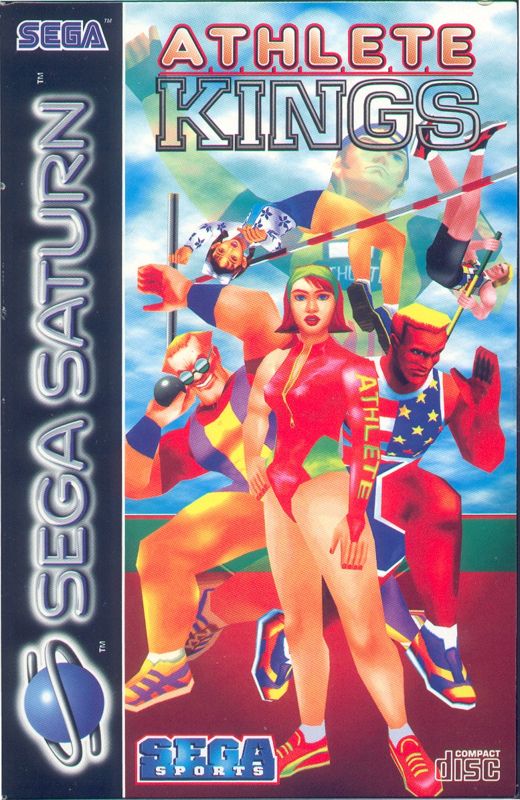
Retro Replay Review
Gameplay
Decathlete delivers a relentless, finger-blistering test of coordination and endurance across all ten classic events of the decathlon, from the explosive 100-Meter Dash to the strategic pacing of the 1500-Meter Race. Each event uses familiar button-mashing mechanics for sprint and jump disciplines, but subtle variations—like timed taps to clear hurdles or managing a stamina bar in longer races—elevate the challenge beyond simple frenzied tapping. Precision, rhythm, and split-second timing become crucial, especially when you’re lining up for pole vault or fine-tuning the release angle in javelin and shot put.
(HEY YOU!! We hope you enjoy! We try not to run ads. So basically, this is a very expensive hobby running this site. Please consider joining us for updates, forums, and more. Network w/ us to make some cash or friends while retro gaming, and you can win some free retro games for posting. Okay, carry on 👍)
The depth of gameplay comes from choosing the right athlete for each discipline. Eight competitors, each with unique stats—speed demons like Li Huang and Ellen Reggiani, powerhouses Aleksei Rigel and Jef Jansens, or balanced all‐rounders such as Joe Kudou and Rick Blade—offer varied experiences. You’ll find yourself retrying events to find which athlete’s strengths match your playstyle, striving to eke out every possible centimeter in long jump or shave milliseconds off your sprint time.
Managing stamina in the 400-Meter and 1500-Meter races adds a fresh layer of strategy that separates Decathlete from its contemporaries. Instead of outright button mashing, you must modulate your button-press speed to keep the stamina gauge from dipping too low. The long distance race also demands deft analog movement to hug the inner track lanes without losing momentum, creating intense moments of tactical decision-making.
Multiplayer raises the stakes even higher. In head-to-head sprints, two players can battle side-by-side, jockeying for every foot of track. For the epic 1500m, up to six AI “drones” or human opponents crowd the track, turning the final event into a nail-biting scrum. This competitive edge makes Decathlete not just a solo gauntlet but a social experience that thrives in arcade or living-room settings alike.
Graphics
On the Sega ST-V hardware, Decathlete pushes colorful, detailed sprite work to the limit. Character models are crisp and expressive, with smooth animations that convey the raw power of each stride, jump, and throw. You can almost feel the strain in each athlete’s muscles as they launch themselves off the runway or heave a discus into the air.
The stadium backdrops are vivid and varied, from sunlit Olympic arenas to night-time tracks illuminated by floodlights. Subtle touches—motion-blur effects on fast-moving athletes, dynamic camera zooms on critical moments like take-off in the high jump, and clean HUD elements tracking meters and time—create a sense of spectacle befitting a multi-event competition.
Event transitions are seamless, accompanied by snappy sound cues and announcer shouts that heighten the excitement. Whether you’re lining up at the blocks or resetting for the next heat, the audiovisual presentation remains tight and focused, keeping you immersed in the rhythm of competition rather than bogged down by unnecessary menus.
Even in crowded multiplayer heats, frame rate holds firm, ensuring that your timing remains exact and your inputs responsive. The attention to detail in both character design and stadium ambiance showcases Sega’s expertise in arcade-style sports titles, giving Decathlete a polished sheen that still looks great decades after its release.
Story
Decathlete doesn’t weave an elaborate narrative, but it does provide enough context to give players a sense of purpose. You’re not simply mashing buttons—you’re representing your chosen athlete on the international stage, aiming to etch their name onto the world best results table. The implicit storyline of training hard, overcoming weaknesses, and chasing personal bests offers motivating undercurrents beneath the arcade action.
Each of the eight athletes carries a distinct persona, hinted at through their running styles and physical builds. The agile Karl Vain and Femi Kadiena look different in motion compared to the powerhouse throws of Aleksei Rigel, suggesting backstories of their own athletic journeys. This small touch of characterization strengthens the bond between player and competitor, even without cutscenes or dialogue.
Progression unfolds naturally: you start day one with the shorter events, build confidence with jumps and throws, and enter the grueling final day tug-of-will with the 400m, hurdles, discus, pole vault, javelin, and the epic 1500m. The sense of time passing across two days of competition simulates real decathlon stakes, heightening the narrative tension as you push to close in on world-record thresholds.
While traditional story-driven fans might yearn for more dialogue or cinematic flair, the backbone of Decathlete’s narrative is pure sporting drama. It’s a tale written in seconds shaved off your best time, lengths gained in the long jump, and the thrill of seeing your name climb the global leaderboards.
Overall Experience
Decathlete stands as a benchmark for multi-event sports games, offering a satisfying blend of accessibility and depth. Beginners can dive in with basic button-mashing thrills, while veterans will appreciate the nuanced timing, stamina management, and event-specific challenges that demand practice and precision. The learning curve is rewarding rather than punishing, with each replay sharpening your reflexes and strategies.
The addictive quality of chasing world-record marks—both in aggregate decathlon points and individual event leaderboards—ensures high replay value. Whether you’re honing your personal best in the shot put or gearing up for a dramatic photo finish in the 1500m, there’s always one more attempt “just to see if I can get that extra point.”
Multiplayer sessions amplify the fun, turning your living room or arcade cabinet into a hub of friendly competition. The straightforward control scheme and quick event resets make it easy to rotate players, spectate, and jump back in for a rematch. It’s the sort of game that draws a crowd, sparks betting on split-second outcomes, and forges memorable rivalries.
In an era crowded with simulation-heavy sports titles, Decathlete’s pure, arcade-style energy remains refreshing. Its combination of tight controls, vibrant presentation, and enduring challenge make it a must-play for fans of track and field, retro gaming enthusiasts, and anyone seeking a dynamic, skill-based sporting experience.


Reviews
There are no reviews yet.