 Retro Replay Retro Replay gaming reviews, news, emulation, geek stuff and more!


Retro Replay Review
Gameplay
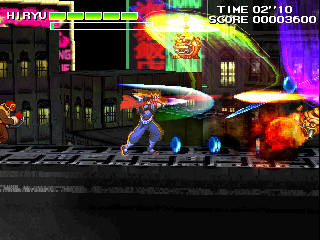
Strider 2 picks up the pace immediately, placing you in control of Hiryu as he dashes through futuristic cityscapes and mechanized fortresses. The controls feel tight and responsive, making each slice of the Cypher sword land with satisfying precision. Players familiar with the original will appreciate the added mobility: the double jump, backward somersault and dash all open up vertical and horizontal paths previously unseen in the series.
(HEY YOU!! We hope you enjoy! We try not to run ads. So basically, this is a very expensive hobby running this site. Please consider joining us for updates, forums, and more. Network w/ us to make some cash or friends while retro gaming, and you can win some free retro games for posting. Okay, carry on 👍)
The new weapon-boost system for the Cypher sword adds a welcome layer of strategy. You can channel homing plasma waves against distant foes or trigger the savage slash attack for unpredictable bursts of rapid strikes. These options transform standard enemy encounters into dynamic skirmishes where timing and resource management matter. Managing your boost meter well can mean the difference between sailing through a level or facing an early game over.
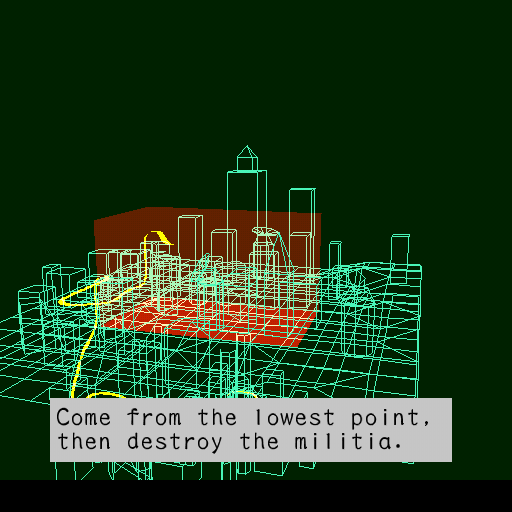
Level design in Strider 2 leans into its arcade roots. Each stage is packed with branching routes, hidden alcoves and bonus items that reward exploration. Health boosts and sword-power pickups are strategically placed to encourage risk-taking—leave the safer path to snag a vitality recharge or score multiplier, but beware of tougher foes guarding the prize. The inclusion of the new Boss Gauge helps you gauge your progress against mid-level and end-level bosses, giving clear feedback on how much more punishment you can deal before the big bad falls.
Graphics
Strider 2’s visuals strike a compelling balance between retro charm and modern flair by layering high-frame-rate 2D character animations over richly detailed 3D backgrounds. Hiryu’s flickering scarf and the fluidity of his sword arcs stand out against the looming textures of dystopian towers and mechanical corridors. The transitions from outdoor city blocks to dimly lit engine rooms feel seamless, lending a cinematic sheen to each stage.
The color palette is both bold and varied. Fiery reds and neon blues light up your path through industrial jungles, while metallic grays and rust tones underscore the oppressive atmosphere of the Grandmaster’s domain. Ambient effects—smoke, sparks, electric discharges—are subtle but impactful, enhancing the sense of immersion without ever overwhelming the eye. In fast-paced combat, frame rates remain steady, ensuring you never lose track of your next jump or slash.
Boss encounters are especially memorable on the graphical front. Each mechanical behemoth is a showcase of scale, design and animation intricacy. Watching the boss gauge tick down as a gigantic eye twists or a turret whirs to life makes your successes all the more thrilling. Even on older hardware, Strider 2 maintains its visual fidelity, avoiding serious slowdowns or pop-in, which is a testament to the solid engine work behind the game.
Story
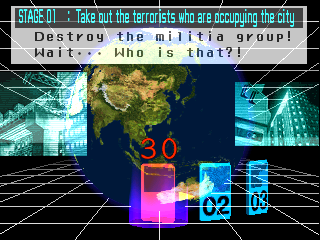
At its core, Strider 2 delivers a straightforward narrative: in a future ruled by tyranny and evil, a lone Strider named Hiryu must use his sharply honed skills to fight for justice and peace and defeat the Grandmaster, the evil dictator who has taken over the world. The premise sets the stage for each mission, and though the dialogue is minimal, it drives you forward with clear objectives and high stakes.
Cutscenes are brief but effective, employing anime-style framing that emphasizes Hiryu’s resolve and the looming threat of the Grandmaster’s regime. You’ll witness the oppression faced by rebel factions and the destruction wrought upon peaceful settlements, adding weight to your blade-swinging rampage. While the narrative doesn’t unfold into profound twists, it remains engaging enough to keep you invested in each new level.
Despite its arcade heritage, Strider 2 weaves in small world-building details. Scattered logs and environmental storytelling—in the form of shattered propaganda posters, discarded rebel equipment and audio cues—hint at a wider struggle beyond the immediate action. This subtle approach works well for an action-focused game: it gives context without bogging down the pacing, and it rewards players who pause to admire the backgrounds or replay stages in search of hidden lore.
Overall Experience
Strider 2 is a satisfying blend of classic arcade action and modern design sensibilities. Its refined control scheme, diverse moveset and layered level structure ensure that each run feels fresh, whether you’re chasing high scores or simply blasting through the story. The new dash, double jump and weapon boosts deepen the combat system without introducing unnecessary complexity.
The audio complements the visuals with a pulsating, synth-driven soundtrack that underscores every leap and slash. Sound effects are sharp and impactful, from the resonant crack of your blade to the mechanical whirs of enemy drones. Together, the music and effects bolster the feeling of speed and intensity that this series is known for.
For both longtime fans and newcomers, Strider 2 offers a compelling package: tight gameplay loops, striking presentation and an undercurrent of narrative depth that keeps you engaged. Whether you’re aiming to master every boss fight using minimal health boosts or simply savoring the rush of flawless stage completions, this title delivers on its promise of high-octane, arcade-style action in a dystopian future.



Reviews
There are no reviews yet.