 Retro Replay Retro Replay gaming reviews, news, emulation, geek stuff and more!
Retro Replay Review
Gameplay
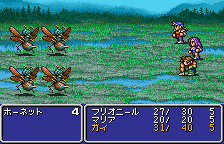
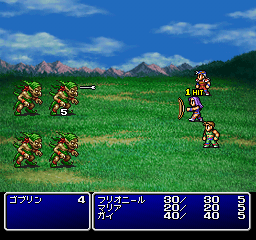
Final Fantasy II’s gameplay strikes a balance between nostalgic turn-based combat and modern quality-of-life improvements that keep the action flowing smoothly. The remake retains the series’ classic Active Time Battle system, giving each character their own progress gauge while weaving in dynamic auto-targeting so that battles never stall if an enemy is defeated mid-round. This small tweak makes skirmishes feel more fluid and fair, ensuring that no character stands idle as the fight progresses.
(HEY YOU!! We hope you enjoy! We try not to run ads. So basically, this is a very expensive hobby running this site. Please consider joining us for updates, forums, and more. Network w/ us to make some cash or friends while retro gaming, and you can win some free retro games for posting. Okay, carry on 👍)
The decision to introduce an Easy difficulty mode is a welcome addition for newcomers who may find the original’s steep learning curve daunting. By dialing down enemy hit points and adapting character growth rates, players can focus on exploring the story and world without excessive grinding. Meanwhile, veterans can still challenge themselves on higher settings, leveraging the system where skills and stats rise through repeated use to finely tune each hero’s capabilities.
Exploration is streamlined through on-the-fly saving via memo files, complementing the traditional save points found in towns. This hybrid save system encourages experimentation—whether you’re diving headlong into a new dungeon or retracing steps to scour every corner for hidden treasures. The addition of a dedicated run button further enhances exploration, eliminating frustrating backtracking in open areas and letting you maintain a solid pace through the game’s sprawling landscapes.
Graphics
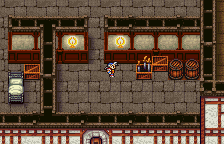
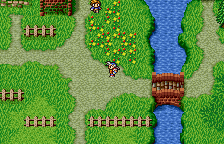
The remake’s graphics have been overhauled to echo the vibrant 16-bit style of later series entries, breathing new life into the world of Final Fantasy II. Character sprites are more detailed than their 8-bit predecessors, and environmental textures pop with lush color palettes that bring towns, forests, and dungeons into sharper focus. The visual upgrade makes each locale distinct, whether you’re navigating the war-torn plains or exploring hidden temples.
Animations feel smooth and expressive, from the swish of a sword slash to the flourish of a well-timed spell. Boss battles, in particular, are elevated by dynamic attack frames and carefully choreographed boss entrances that showcase the art team’s dedication to honoring the series’ legacy. Subtle effects, like twinkling lights in treasure chests or swirling mist in haunted ruins, add layers of atmosphere without overwhelming system resources.
On the PlayStation release, a newly added CG introduction cinematic sets the tone for the adventure. This short movie provides a dramatic prologue, highlighting the rise of the oppressive Palamecian Empire against a sweeping orchestral theme. Although brief, it effectively bridges the gap between the game’s retro roots and the expectations of modern audiences, welcoming both seasoned fans and first-time players into the story.
Story
At its core, Final Fantasy II tells a tale of friendship, sacrifice, and rebellion. You follow Firion, Maria, and Guy as they band together to overturn the Palamecian Empire’s tyrannical reign. The narrative explores themes of loyalty and loss; characters evolve emotionally as they face betrayals, forge alliances, and witness the horrors of war firsthand. This depth is highlighted through key story segments, lending emotional weight rarely seen in early JRPGs.
Character development is front and center, with each hero gaining personal motivations that drive the group forward. Maria’s faith in her healing magic contrasts nicely with Guy’s unwavering combat prowess, while Firion often acts as the group’s moral compass. These dynamics create memorable interactions and help players connect with the cast beyond simple stat blocks or equipment menus.
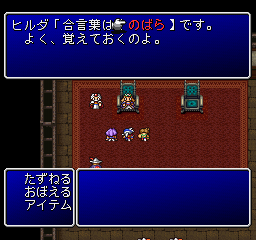
While some plot beats may feel straightforward by today’s standards, the remake’s enhancements—such as additional dialogue hints and refined cutscenes—restore much of the immersion that time had dulled. Rich lore is scattered throughout item descriptions, NPC conversations, and hidden side quests, encouraging exploration and rewarding those eager to peel back every layer of the world’s history.
Overall Experience
Final Fantasy II’s remake excels at marrying classic JRPG structure with modern conveniences, delivering an experience that feels both fresh and familiar. The updated graphics and soundtrack celebrate the series’ heritage while making the world more accessible to new audiences. Whether you’re re-experiencing a beloved favorite or diving into it for the first time, the game strikes the right balance between challenge and approachability.
Quality-of-life features such as the Easy mode, on-the-fly saving, and auto-targeting transform what was once a grind-heavy title into a smoother, more engaging journey. These enhancements respect player time and patience without diminishing the sense of accomplishment when overcoming tough foes or infuriating dungeons. At its best, Final Fantasy II becomes a lesson in refinement—how small tweaks can elevate gameplay to feel less like a chore and more like an epic adventure.
Ultimately, this remake stands as a testament to the enduring appeal of the Final Fantasy franchise. It demonstrates that even early entries can receive loving treatment and still shine in a crowded RPG landscape. If you’re looking for a title that blends old-school charm with modern design sensibilities, this version of Final Fantasy II is well worth your time and investment.

Reviews
There are no reviews yet.