 Retro Replay Retro Replay gaming reviews, news, emulation, geek stuff and more!

Retro Replay Review
Gameplay
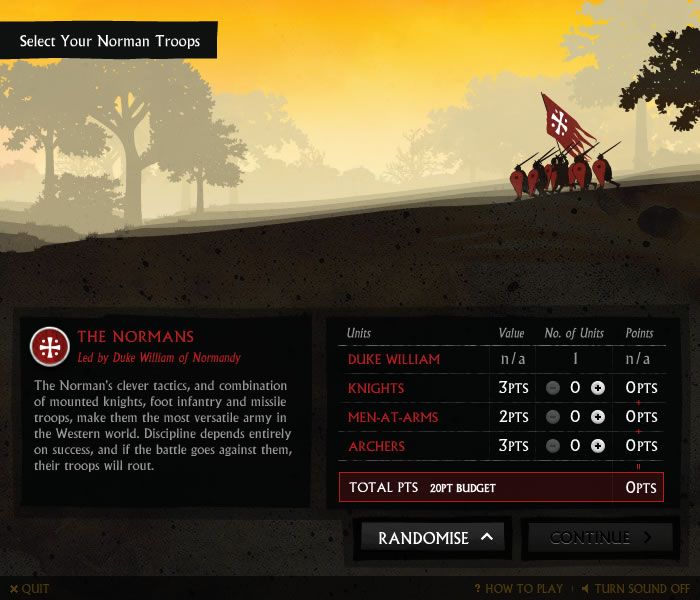
1066 delivers a discipline-focused turn-based strategy experience anchored in historical authenticity. Before each battle, you choose your faction—English, Vikings or Normans—and assemble a bespoke force from archers, spear militia, mounted units and more. This pre-battle roster decision already sets the tone for the layered tactics to come, as each unit type possesses unique movement ranges, attack profiles and morale influences.
(HEY YOU!! We hope you enjoy! We try not to run ads. So basically, this is a very expensive hobby running this site. Please consider joining us for updates, forums, and more. Network w/ us to make some cash or friends while retro gaming, and you can win some free retro games for posting. Okay, carry on 👍)
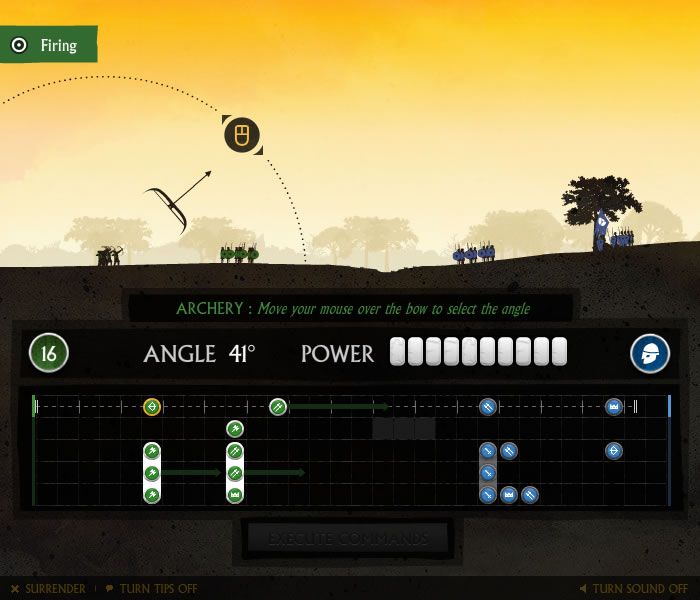
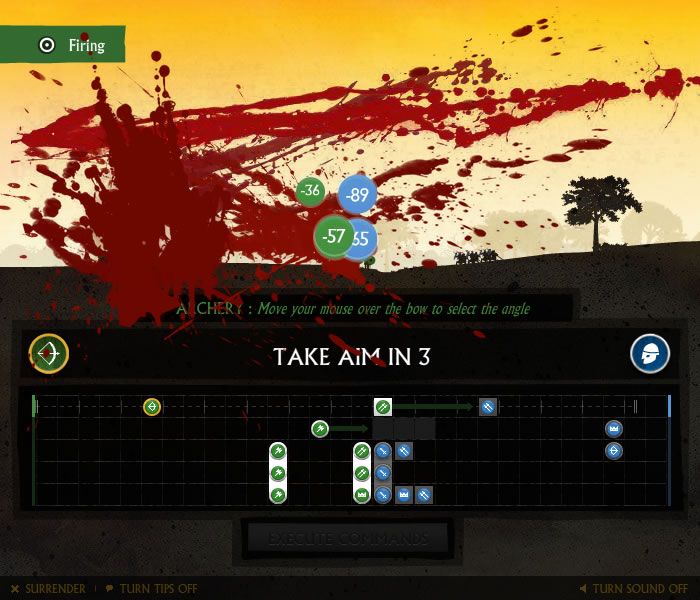
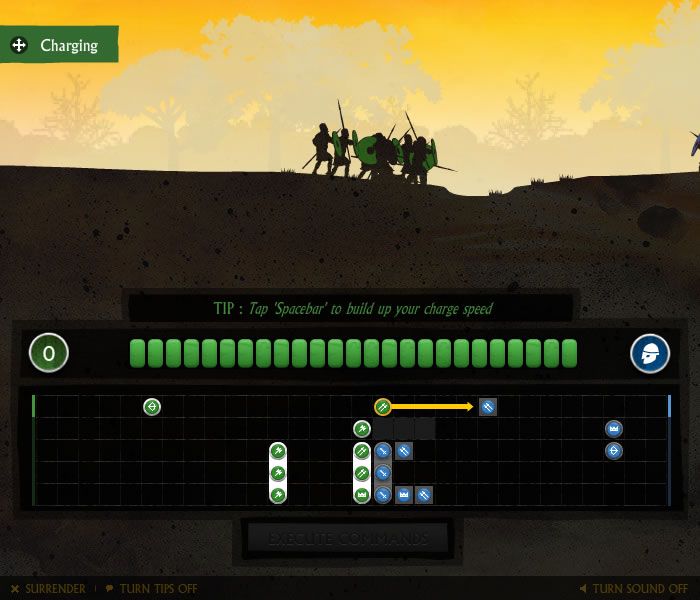
The core combat unfolds on a split screen: a side-on “battle view” that animates skirmishes in real time, and a top-down map where you plot each group’s actions. Commands range from straightforward moves and attacks to more nuanced orders like fortifying positions or attempting to lower enemy morale with taunts. While the actual clashes happen automatically, strategic mini-games keep you actively involved—manually aiming arquebus volleys, building a charging momentum bar, or even typing out taunts under pressure.
These action-mini-games are where 1066 truly distinguishes itself from standard turn-based fare. Charging exploits a “button-mash” meter, archers require careful angle and power calibration, and taunting unfolds as a speed-typing challenge that can cause enemy units to flee when morale breaks. Even unit formations factor into the mix, giving infantry squares or wedges a tangible defensive or offensive punch. Such mechanics reward not only careful planning but also quick reflexes, ensuring that each round remains both cerebral and hands-on.
Graphics
Visually, 1066 strikes a balance between stylistic restraint and functional clarity. The battlefield is rendered in clean, 2D sprite art that captures the grim ambiance of November 1066 without veering into hyper-realism. Unit animations are smooth and distinct—horsemen charge convincingly, archers draw and release bows fluidly, and melee clashes punctuate with satisfying pixel-perfect strikes.
The user interface is equally well-considered. A side panel delivers real-time statistics on troop counts, morale and unit special abilities, while the top-down map uses simple iconography to track the ebb and flow of engagements. Menus are logically laid out, letting you swap formations, assign orders or engage mini-games with minimal menu-diving. Even during intense multiplayer clashes, you’ll appreciate how much screen real estate is devoted to critical battlefield information.
Cinematic cutscenes bridge each chapter in the story mode, blending subdued 3D character models and hand-drawn backgrounds. These interludes add a touch of narrative flair without detracting from the game’s strategic heart. Though they aren’t blockbuster-quality animations, they provide enough context and atmosphere to keep you invested in the ebb and flow of Saxon, Viking and Norman fortunes.
Story
1066’s narrative campaign walks you through the tumultuous events leading to and following the Battle of Hastings. As the Viking, you’ll feel the sting of Edmund Ironside’s death; as the Saxon, you’ll rally levies around Harold Godwinson’s shield wall; and as the Norman, you’ll marshal cavalry charges beneath William’s banner. Each path offers unique historical vignettes that ground your strategic choices in real-world stakes.
Between missions, animated cutscenes provide context, focusing on key figures and pivotal events from that fateful year. These interludes strike a careful balance: they’re informative enough to sketch character motivations and battlefield conditions, while concise enough to keep the pace brisk. Dialogue is functional rather than poetic, but it serves its purpose in reinforcing the documentary’s themes of conquest, loyalty and leadership.
Story mode also offers branching skirmish encounters that let you replay or swap perspectives on the same engagement. This design choice adds replay value and encourages experimentation with different unit compositions. Whether you’re flanking as a Saxon huscarls commander or unleashing feigned retreats as a Viking raiding party, the narrative scaffolding makes each option feel like a plausible historical gambit.
Overall Experience
For history buffs and strategy enthusiasts alike, 1066 presents an engrossing mosaic of tactical depth and hands-on involvement. The blend of macro-level planning and micro-level mini-games ensures that no two battles feel identical, rewarding adaptability and reflexes in equal measure. Multiplayer mode further extends longevity, pitting you against human opponents whose unpredictability keeps the experience fresh.
While veterans of grand strategy might miss sprawling resource management or tech trees, 1066 shines precisely because it remains focused on battlefield decisions. The absence of city-building or logistics mechanics means you’re never distracted from maneuvering your troops effectively. If you crave a streamlined, historically grounded wargame that still demands skillful command, this title hits the mark.
Minor quibbles—such as occasional UI clutter during large melees or simplistic voice acting in cutscenes—rarely overshadow the core strengths. With its clear presentation, robust unit variety and educational storytelling, 1066 stands out as a well-crafted companion to the Channel 4 documentary and a rewarding standalone strategy title for anyone eager to relive one of medieval Europe’s most consequential days.


Reviews
There are no reviews yet.