 Retro Replay Retro Replay gaming reviews, news, emulation, geek stuff and more!
Retro Replay Review
Gameplay
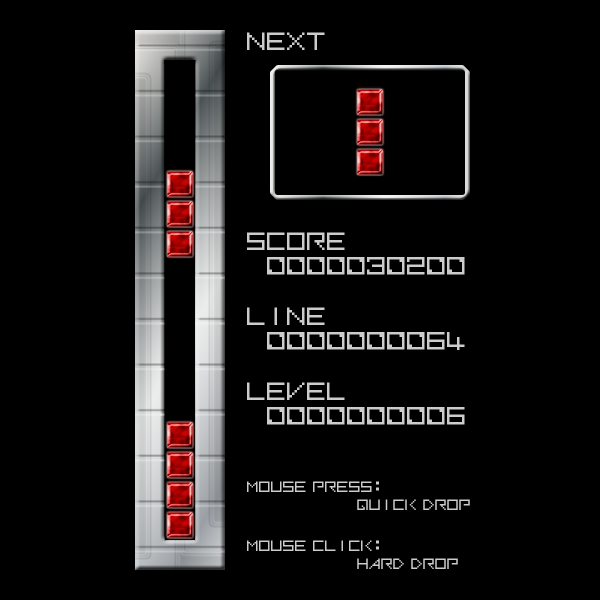
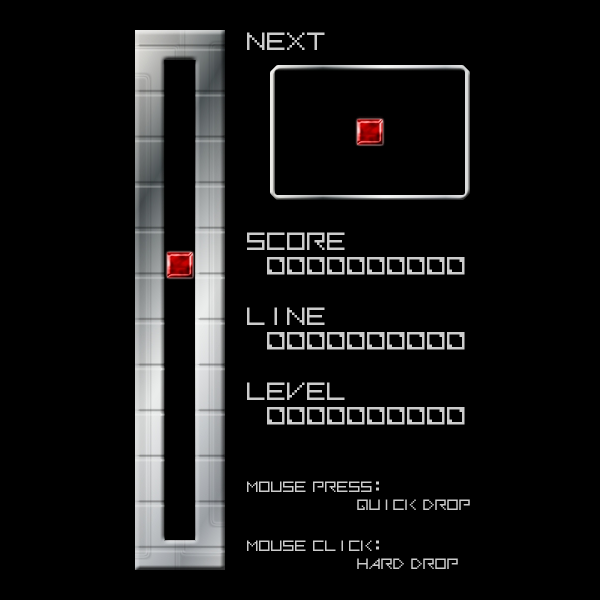
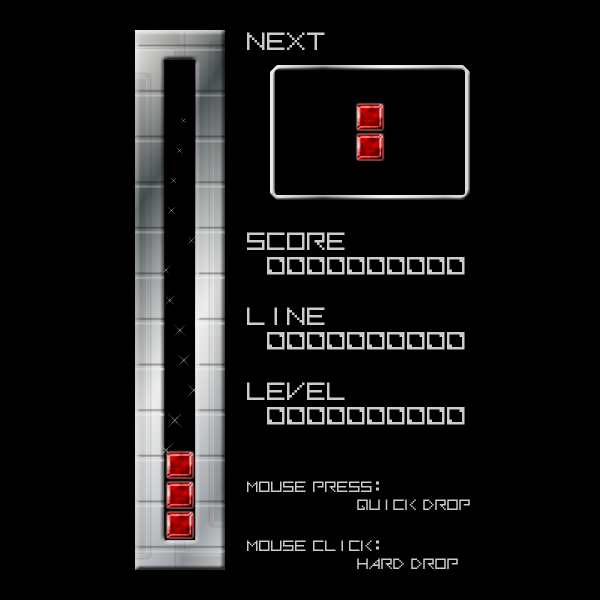
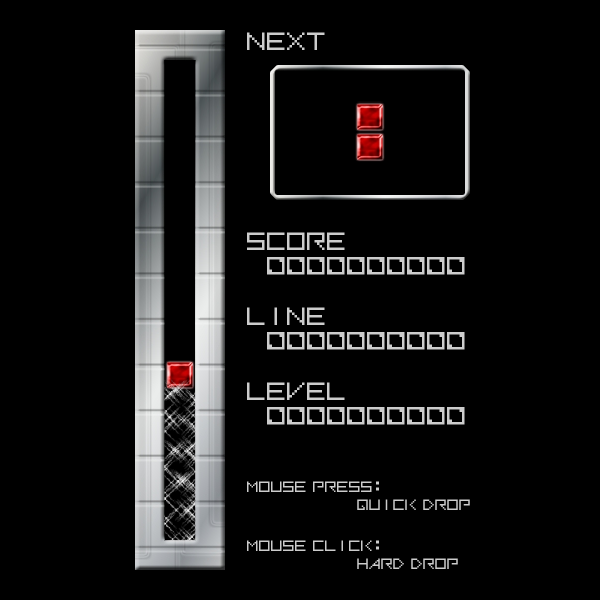
Line 1 takes the familiar foundations of classic tile-matching titles like Tetris and distills them into a single-column experience. Instead of a wide grid, you’re tasked with stacking varying block shapes into columns of five. This reduction to the essentials heightens focus on pacing and rhythm: each new piece descent feels deliberate yet almost inevitable, as the game’s design often auto-completes simple stacks even without aggressive input.
(HEY YOU!! We hope you enjoy! We try not to run ads. So basically, this is a very expensive hobby running this site. Please consider joining us for updates, forums, and more. Network w/ us to make some cash or friends while retro gaming, and you can win some free retro games for posting. Okay, carry on 👍)
Players can accelerate the blocks’ fall or instantly drop them, but these options frequently feel optional. With only one column to manage, the challenge comes less from battling a rising stack and more from finding personal satisfaction in perfect timing. Casual players may appreciate the low-stress approach, while puzzle purists might miss the tension of surviving an ever-encroaching wall of blocks.
Despite its apparent simplicity, Line 1 introduces subtle layers of strategy. Certain block combinations can momentarily clog the column’s midsection, requiring quick think-ahead moves to avoid a bottleneck. Over time, patterns emerge and you’ll discover small optimizations—such as holding a piece briefly to line up a five-stack in one smooth sequence—that can extend your run significantly.
Graphics
True to its minimalist roots, Line 1 boasts a clean, uncluttered visual style. Blocks are rendered in crisp, flat colors with no unnecessary textures or gradients. Each shape is easily distinguishable by color and form, ensuring you’re never confused about which piece is landing next. The background remains a steady neutral tone, letting the blocks command your full attention.
Animation remains smooth even when the pace picks up. There are subtle shadows and highlights on each block that give them a tangible feel without overcomplicating the visual palette. Transitions—like clearing a line of five—are accompanied by a brief expansion and fade effect, providing just enough feedback to reward your successful placement.
While there’s no flashy particle system or dynamic lighting, the restraint in Line 1’s presentation is part of its charm. The graphical simplicity ties directly into the game’s philosophy: strip away all distractions and focus solely on the act of stacking. The result feels polished and purposeful, an aesthetic choice rather than a budgetary compromise.
Story
Unlike narrative-driven puzzle adventures, Line 1 opts for abstraction over plot. There’s no cast of characters or unfolding drama—just you, a vertical strip, and an endless stream of blocks. For many, this lack of story is liberating, allowing for a pure mental escape free of thematic burden.
That said, some players may find themselves craving even a light framing device to impart context. A handful of visual cues—perhaps a futuristic setting or hints of an AI overseer—could have added flavor without detracting from the core gameplay. As it stands, the game trusts you to create your own narrative motivation, whether that’s chasing a high score or entering a Zen-like flow state.
In the absence of a traditional storyline, progression comes through self-imposed milestones. You might challenge yourself to reach specific streaks of perfect five-stacks or to achieve longer runs without using the drop function. This open-ended design turns the act of play into a personal journey, with each session representing a new opportunity to refine your skills.
Overall Experience
Line 1 exemplifies the Japanese art of minimalist miniaturizing, taking a sprawling genre and paring it down to its most elegant essence. It’s easy to pick up—anyone familiar with falling-block puzzles will grasp the rules in seconds—yet it offers surprising depth through subtle strategic nuances. For those seeking a quick mental diversion, the one-column format makes for an ideal “pick up and play” session.
The game’s low-stress approach and clean interface make it well-suited for mobile play or short breaks at a desk. There are no lengthy tutorials, no optional modes to sift through—just a straight path toward stacking blocks. If you crave complexity and high stakes, you may find the experience too relaxed. However, if you appreciate thoughtful design and a calm puzzle flow, Line 1 delivers in spades.
Ultimately, Line 1 shines as a minimalist interpretation of a beloved formula. Its focused gameplay, understated visuals, and open-ended progression combine into an experience that’s both approachable and quietly addictive. While it may not revolutionize the genre, it stands as a testament to how simplicity—when executed with care—can be surprisingly engaging.


Reviews
There are no reviews yet.