 Retro Replay Retro Replay gaming reviews, news, emulation, geek stuff and more!


Retro Replay Review
Gameplay
REDDER’s core gameplay loop revolves around meticulous exploration and brain-teasing puzzles. From the moment your astronaut crash-lands, every room in the non-scrolling grid map beckons with potential secrets. The absence of combat mechanics—enemies cannot be defeated—shifts the challenge toward avoidance and strategic maneuvering. This design choice keeps tension high as you navigate hazards like electrical currents or patrolling drones, carefully timing jumps and dashes to slip past danger.
(HEY YOU!! We hope you enjoy! We try not to run ads. So basically, this is a very expensive hobby running this site. Please consider joining us for updates, forums, and more. Network w/ us to make some cash or friends while retro gaming, and you can win some free retro games for posting. Okay, carry on 👍)
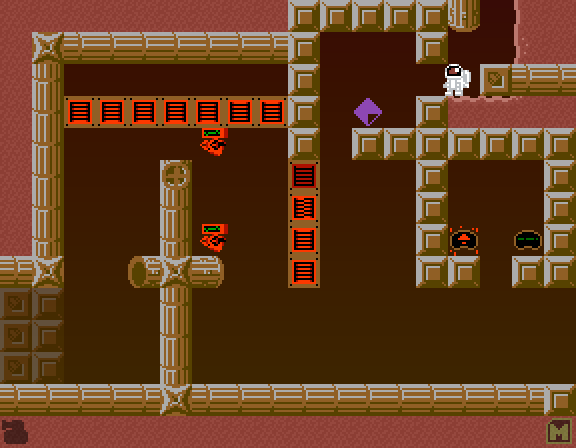
The puzzle mechanics hinge on red and green switches that toggle corresponding boxes throughout each chamber. These colored platforms are more than mere stepping stones—they form the foundation of almost every diamond retrieval puzzle. Learning how to manipulate these blocks, whether to erect a temporary bridge over a deadly pit or to cage a hazard behind a wall of blocks, gives REDDER its satisfying “aha!” moments. With 27 diamonds to collect, the game steadily ramps up complexity, introducing multi-room puzzles that require thoughtful backtracking and map-based planning.
Controls are deliberately simple, limited to arrow keys for movement and jumping. This minimalist scheme keeps the focus squarely on puzzle design instead of combo chains or special moves. Checkpoints are sprinkled at regular intervals, providing relief after particularly challenging sequences and preventing frustration from mounting too quickly. The warp-to-checkpoint feature via the in-game map ensures that you can refine strategies and experiment with different approaches without losing hard-earned progress.
Graphics
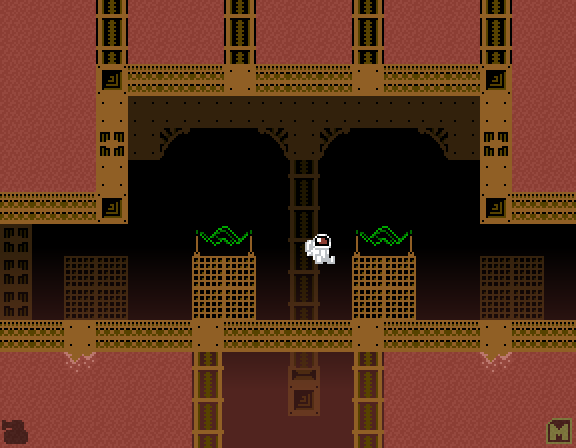
Visually, REDDER adopts a retro-inspired palette that evokes the charm of early indie platformers and classic 8-bit designs. Every room carries a distinct color scheme—icy blues for frozen caverns, molten reds for volcanic chambers, and muted greens for overgrown ruins—ensuring that environments stay fresh as you traverse the grid. The crisp pixel art style is polished, with just enough detail in the astronaut’s helmet reflection and the subtle flicker of hazards to draw you into the world.
While the engine doesn’t support scrolling, the static-room layout encourages you to treat each chamber as a discrete tableau. Subtle animations—like sparking electrical conduits or drifting particles in air vents—breathe life into otherwise still backdrops. The stark contrast between foreground platforms and background visuals keeps important elements readable, a vital consideration when split-second jumps can mean the difference between success and a respawn.
The sound design complements the visuals with a minimalist electronic score that ramps up in intensity as you approach tougher puzzles. Ambient noises—beeping switches, distant robot hums, or the echo of a falling diamond—enhance immersion without overwhelming the senses. Together, the audiovisual package strikes a balance between nostalgia and modern polish, serving both form and function in the heat of tricky platforming challenges.
Story
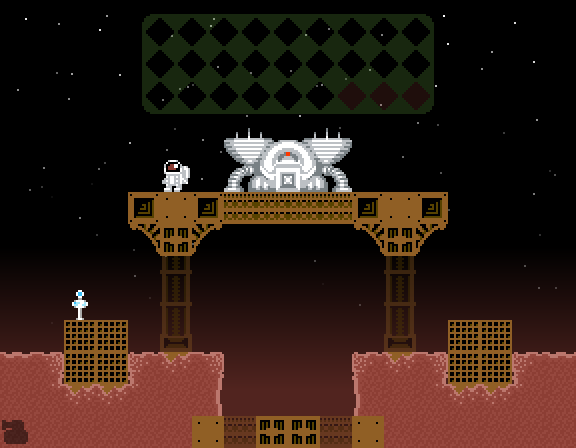
At its heart, REDDER tells a straightforward but engaging tale: an astronaut stranded on an alien world must collect 27 diamonds to repair their ship and return home. There’s no lengthy exposition or branching dialogue trees—story beats are delivered through environmental cues and brief log entries found in hidden corners. This minimalist narrative approach keeps you focused on the task at hand while still motivating exploration.
Every diamond unearthed feels like a tangible step toward escape, imbuing even the quietest rooms with purpose. The sense of isolation is palpable as you hop from checkpoint to checkpoint, the vastness of the world laid out on your accessible map. Occasional visual storytelling—like a room littered with broken tools or a half-activated machine—hints at previous visitors and broader mysteries, inviting speculation without cluttering up gameplay.
REDDER’s lack of direct character interaction sharpens its emphasis on environmental narrative. The planet itself becomes the protagonist’s foil: sometimes treacherous, sometimes awe-inspiring. Collecting each diamond is less about narrative twists and more about personal triumph—each success echoes the classic platforming tradition of player-driven stories.
Overall Experience
REDDER offers a meticulously crafted puzzle-platforming adventure that will appeal to fans of exploratory design and minimalist storytelling. Its non-linear room layout, combined with color-coded switch mechanics, fosters a sense of discovery as you chart paths across the square map. The gradual increase in difficulty ensures a steady learning curve that feels rewarding rather than punishing.
While the lack of combat may deter players seeking action-heavy titles, REDDER’s strengths lie in its cerebral challenges and precise controls. The checkpoint system and instantaneous warps via the map respect your time, allowing you to experiment freely without fear of losing progress. This makes the experience both approachable for newcomers and rich enough for seasoned puzzle-solvers.
Ultimately, REDDER stands out as a thoughtfully designed platformer that proves less can indeed be more. It merges simple controls and retro-inspired graphics with intricate puzzle mechanics, providing an engaging journey from crash site to escape. If you enjoy methodical exploration and puzzle-driven gameplay, REDDER is a compelling choice that will keep you thinking long after you’ve collected the final diamond.


Reviews
There are no reviews yet.