 Retro Replay Retro Replay gaming reviews, news, emulation, geek stuff and more!


Retro Replay Review
Gameplay
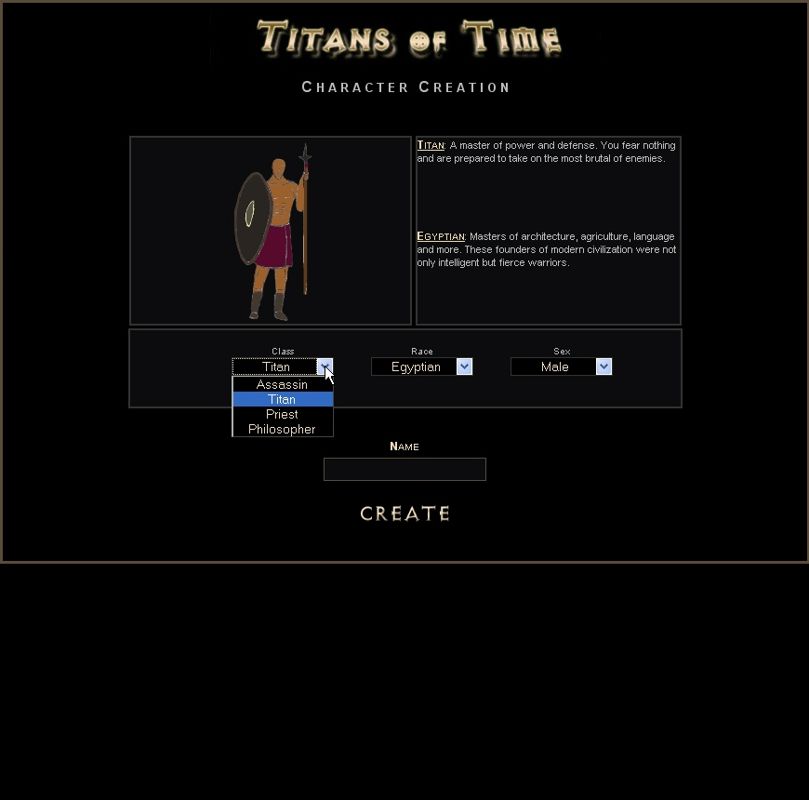
Titans of Time starts by offering you a choice of four distinct classes—each with its own balance of Strength, Agility, Vitality, Intelligence, and Luck. After creating up to four characters, you dive straight into a top-down, tile-based rendition of ancient Egypt with surprisingly little exposition. Instead of lengthy cutscenes, the game trusts you to learn by doing, sending you to Thebes for a quick tutorial that eases you into basic combat, item gathering, and quest acceptance.
(HEY YOU!! We hope you enjoy! We try not to run ads. So basically, this is a very expensive hobby running this site. Please consider joining us for updates, forums, and more. Network w/ us to make some cash or friends while retro gaming, and you can win some free retro games for posting. Okay, carry on 👍)
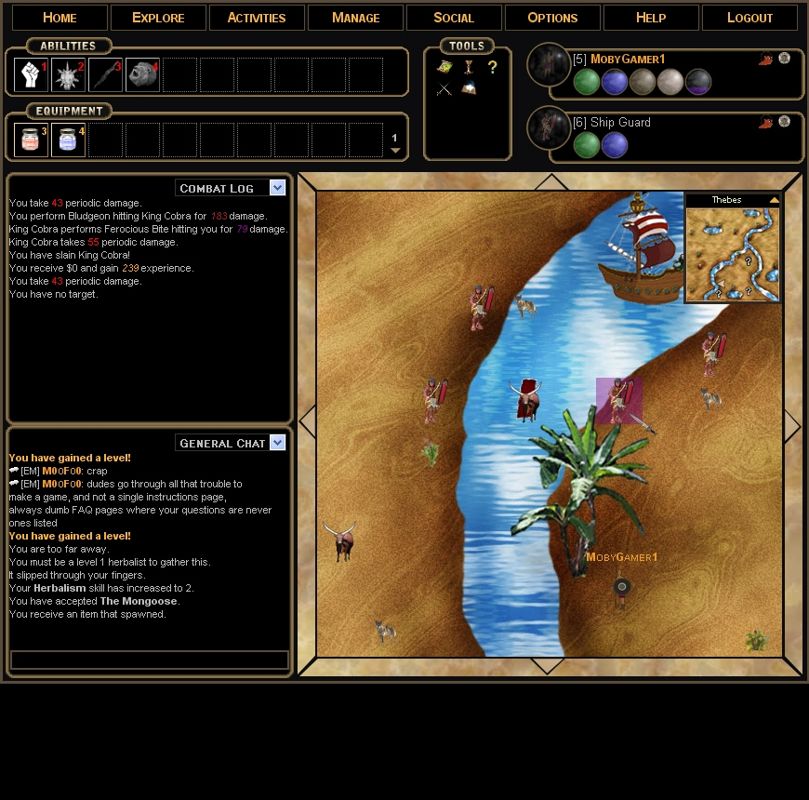
Combat unfolds in real time: you select offensive, supportive, or defensive moves, expend mana as needed, then watch your cooldowns tick down before striking again. The auto-healing system patches you up between skirmishes so you can focus on strategy rather than packing hordes of health potions. Quests tend to follow the familiar kill-fetch-deliver formula, but area transitions—from sun-baked deserts to frost-tipped jungles—keep the objective simple yet visually varied.
Leveling is driven by experience points earned from battles and quests. Every ten levels, you gain a talent point to unlock new skills, while faith and energy points let you shore up specific base attributes outside of combat. Along the way, you can pick up professions like fishing or herbalism, each improving through repeated usage and offering a steady trickle of income and crafting materials. Between dungeon raids, arena challenges, and PvP skirmishes, there’s always a new way to hone your build.
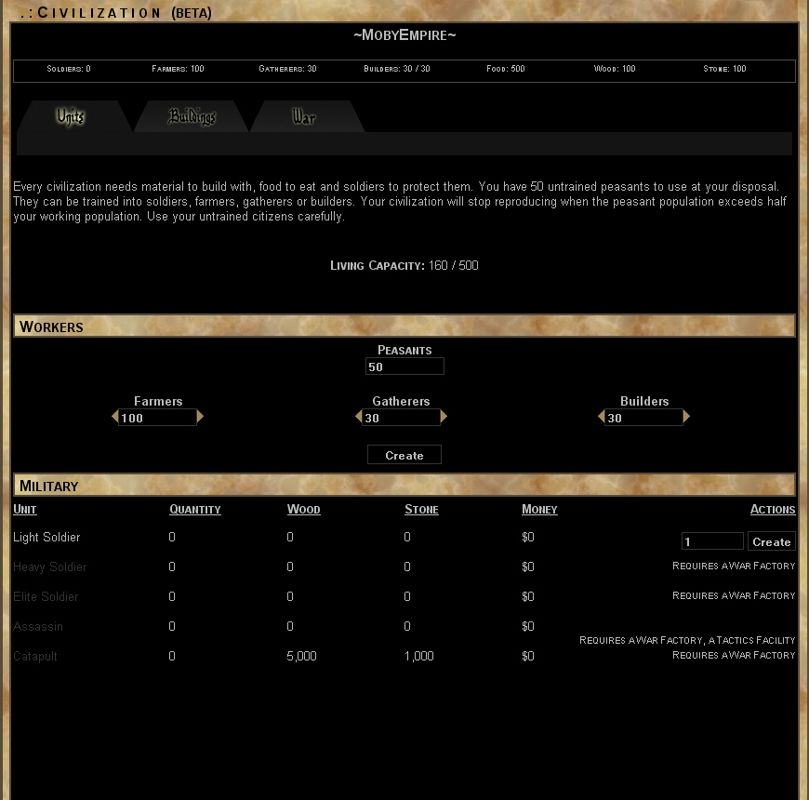
Social mechanics in Titans of Time go beyond simple party formation. You can found or join a legion with other players, unlock achievements as the game tracks your every action, and even venture into civilizational building—a standalone mode where you recruit peasants, gather resources, and wage war on rival empires. While this empire-sim feature can feel like a separate mini-game, it adds a surprising level of strategic depth and long-term engagement to an otherwise straightforward RPG framework.
Graphics
Visually, Titans of Time opts for a classic 2D pixel art style that runs smoothly in any modern browser. The tile-based maps are crisp, with clear delineations between walkable terrain, obstacles, and interactive elements. Although the palette leans heavily on sandy browns and muted greens, occasional splashes of snow, jungle foliage, and volcanic rock keep the scenery from feeling one-note.
Character sprites and monster designs are simple but effective, with just enough detail to distinguish between a desert scorpion, a jungle serpent, or a frost wolf. Animations are limited to essential attack and movement frames, but the quick cooldown cycles and combat effects—glowing mana bursts, healing auras, and status icons—ensure that battles feel lively rather than static.
The user interface embraces minimalism: health, mana, and stamina bars sit unobtrusively along the screen edge, while quest logs and inventory pop ups use a clean, readable font. Occasionally you might notice a slight lag or texture pop-in on slower connections, but overall the browser-based engine delivers a consistent frame rate and quick load times, making for an accessible experience on both desktop and tablet browsers.
Story
Storytelling in Titans of Time is unconventional by RPG standards. There’s virtually no opening narrative—no prologue scroll, no in-engine cutscene—just your newly minted character standing amid the ruins of ancient Egypt. This blank slate approach invites players to write their own backstory as they explore, battle, and interact with the world’s handful of NPCs.
Quests offer snippets of lore—rescuing a merchant’s caravan besieged by bandits, clearing out a tomb haunted by restless spirits—but these morsels never coalesce into an overarching narrative arc. Instead, the game leans on environmental immersion: hieroglyph-etched temples, half-buried sarcophagi, and crumbling statues hint at a rich civilization that once thrived here.
For players craving deeper context, the tomb-raiding mini-game and instanced dungeons occasionally reveal scroll fragments or legendary artifacts. These collectibles fill in small gaps, but the onus remains on you to assemble the story. This fragmented approach can feel either frustratingly sparse or delightfully explorative, depending on how much you enjoy piecing together lore on your own.
Overall Experience
Titans of Time strikes a balance between familiar browser-based RPG conventions and unexpected features like empire building and profession leveling. If you enjoy grinding out levels, experimenting with different talent builds, and forming legions with friends, you’ll find plenty of content to keep you logged in for hours on end. The real-time combat system is straightforward yet offers room for tactical decisions during boss encounters and high-level quests.
On the flip side, the minimal storytelling and repetitive quest structure may deter players who prefer a tightly woven plot or varied mission objectives. The pixel art, while charming, doesn’t break new ground, and the separate empire-building module can feel disconnected from your character’s progression. That said, these are largely matters of taste rather than technical shortcomings.
For potential buyers seeking a free-to-play browser RPG with a global multiplayer community, Titans of Time offers strong replay value. Between battling desert scorpions, raiding hidden tombs, summoning friends to your side, and building your very own civilization, there’s always a new goal to chase. If you’re prepared to embrace its minimalist narrative and repetitive quest loops, you’ll discover a surprisingly deep sandbox of ancient-Egyptian adventures.


Reviews
There are no reviews yet.