 Retro Replay Retro Replay gaming reviews, news, emulation, geek stuff and more!
Retro Replay Review
Gameplay
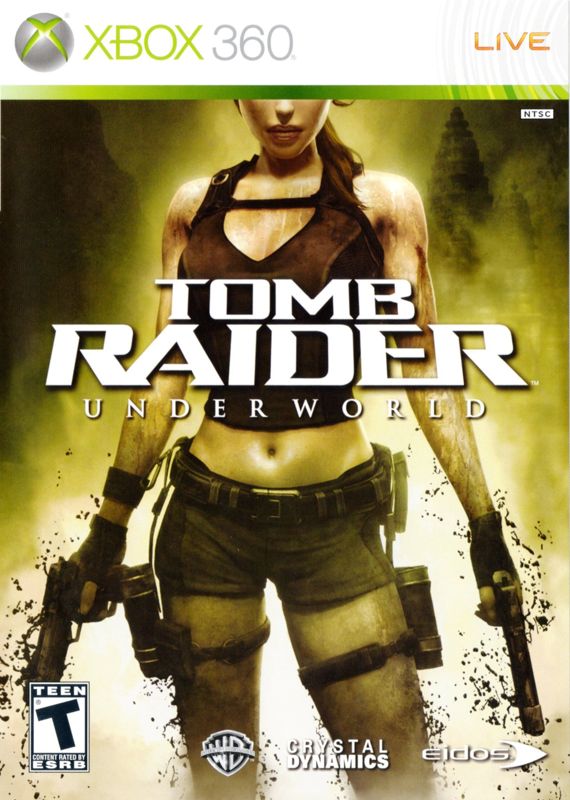
Tomb Raider: Underworld refines the series’ core mechanics with an emphasis on exploration, platforming, and puzzle-solving over run-and-gun combat. Lara’s traversal options feel more fluid than ever, thanks to new moves such as wall-jumping and dynamic ledge grabs that expand upon the mechanics introduced in Prince of Persia: The Sands of Time. These additions invigorate familiar environments, turning each ancient ruin, sunken ship, and icy cavern into interactive playgrounds where timing and precision are paramount.
(HEY YOU!! We hope you enjoy! We try not to run ads. So basically, this is a very expensive hobby running this site. Please consider joining us for updates, forums, and more. Network w/ us to make some cash or friends while retro gaming, and you can win some free retro games for posting. Okay, carry on 👍)
The game’s puzzle design strikes a satisfying balance between challenge and accessibility. The sonar map system provides a 3D grid overlay of Lara’s immediate surroundings, allowing you to orient yourself in sprawling temple complexes and underwater caverns without resorting to guesswork. When you find yourself stuck, Lara can offer cryptic yet helpful tips, preserving immersion while keeping the momentum intact. These features combine to ensure you spend more time solving intricate riddles and less time wandering aimlessly.
Crystal Dynamics has eliminated Quick Time Events (QTEs) entirely in Underworld, replacing them with a slow-motion mechanic during pivotal action sequences. This design choice keeps you firmly in control of Lara’s movements even when the stakes are highest, enhancing responsiveness and immersion. Moreover, the game’s level structure leans toward non-linearity, drawing inspiration from the franchise’s classic entries. Optional side areas and hidden relic chambers reward keen-eyed explorers with relics and artifacts, encouraging thorough investigation of every nook and cranny.
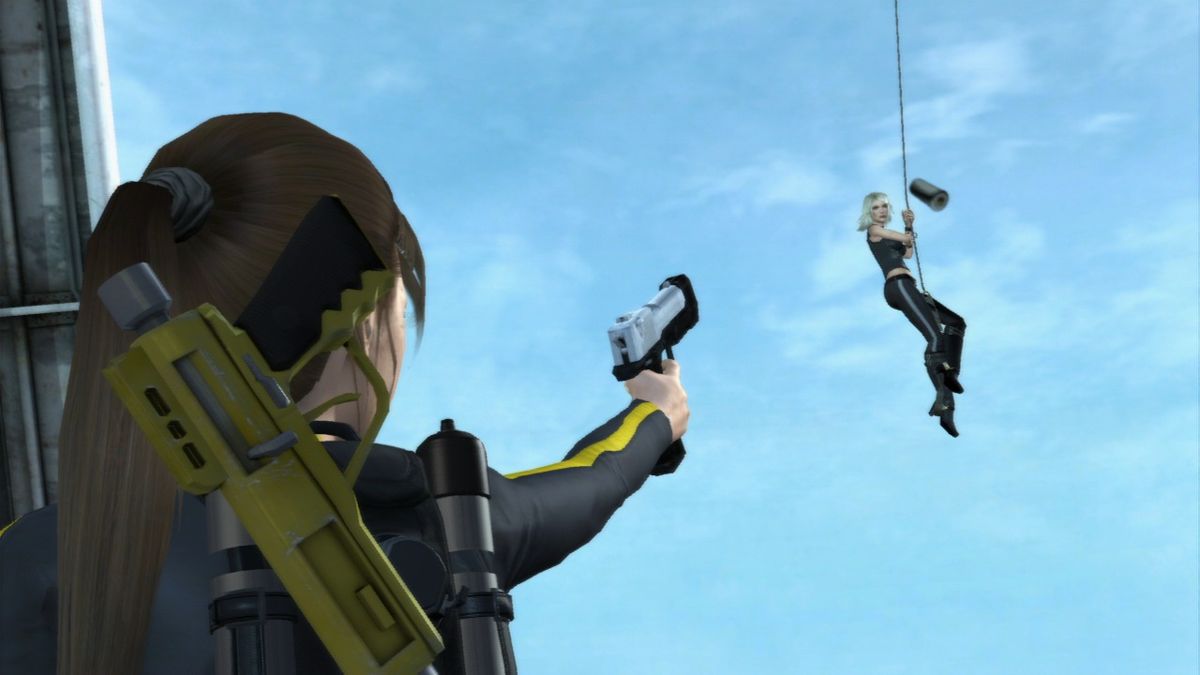
Combat remains a supporting element rather than the primary focus. Lara’s arsenal includes upgraded dual pistols, a harpoon gun for underwater skirmishes, and a makeshift spear for silent takedowns. Enemies are deployed sparingly, ensuring that each confrontation feels tense and meaningful. With environmental hazards often taking center stage—collapsing pillars, swinging traps, and booby-trapped corridors—combining platforming finesse with strategic thinking never feels out of place.
Graphics
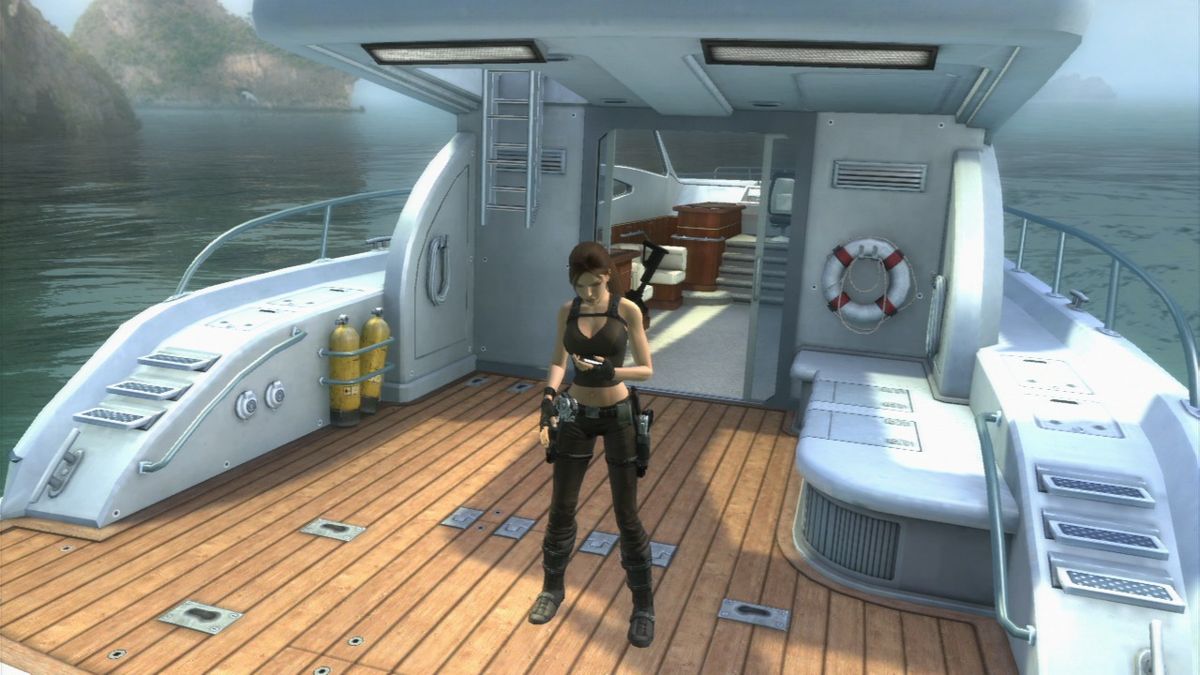
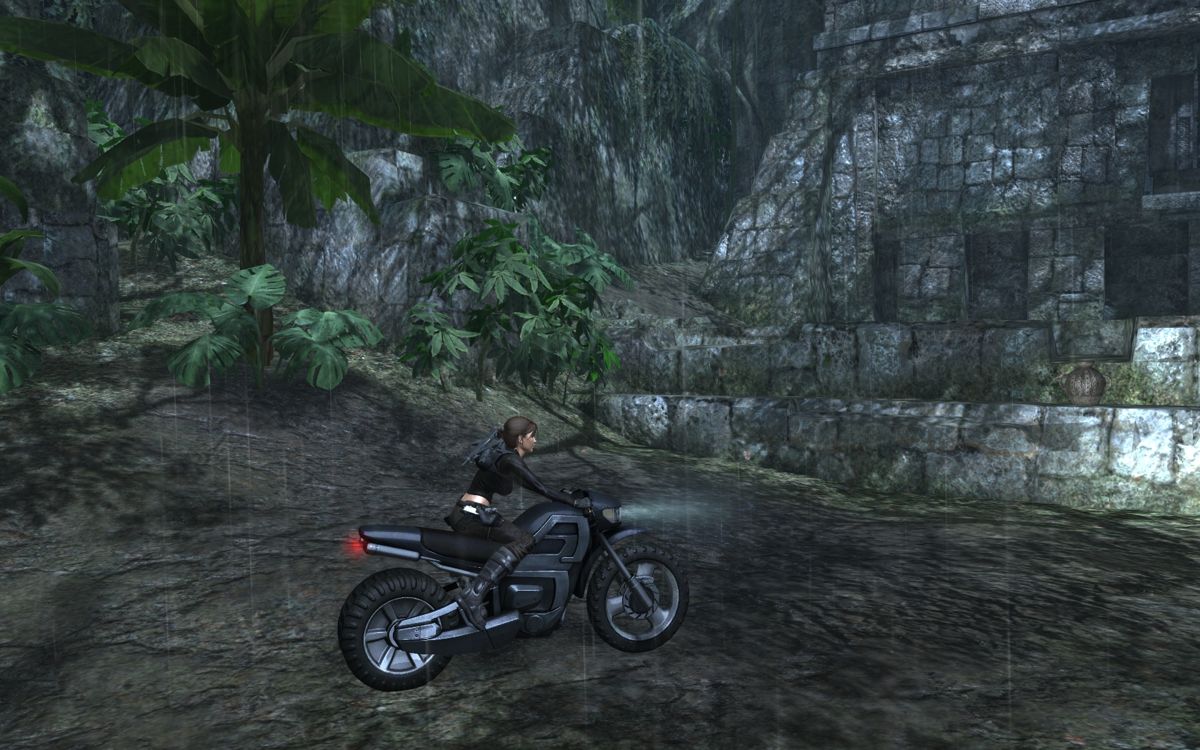
Underworld delivers a visual feast that spans diverse biomes, from the frigid Arctic wastelands to the sun-dappled jungles of Thailand and the eerie depths of the Mediterranean Sea. Each locale is meticulously crafted, featuring dynamic lighting effects that accentuate the grandeur of ancient architecture. Shimmering water surfaces reflect Lara’s determined expression, while occlusion and shadow mapping lend depth to underground tombs.
The character models, led by a finely detailed Lara Croft, showcase improved animations that bridge the gap between cinematic presentation and player agency. Transitions between moves—be it a leap across a chasm or a hair-raising zip-line descent—are seamless, which heightens the sense of continuous motion. Facial expressions during cutscenes convey subtleties of emotion, particularly in tense dialogue exchanges or moments of self-reflection.
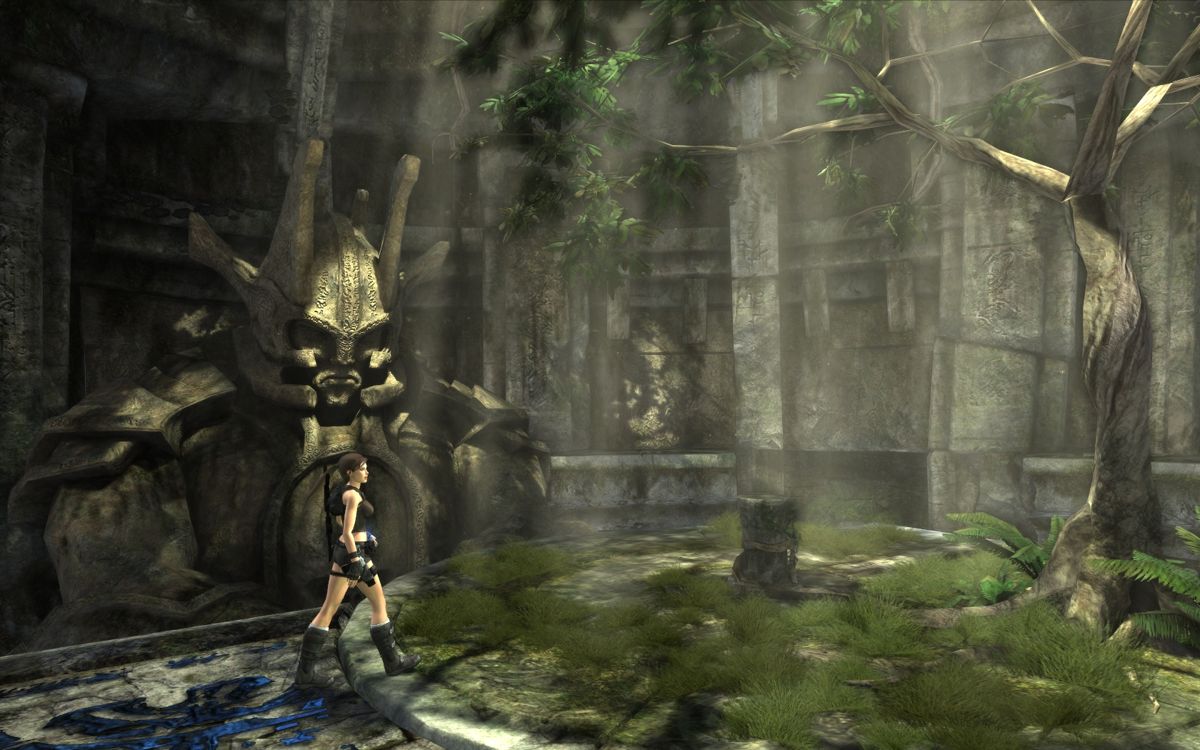
Texture work on environmental assets strikes a balance between realism and stylization. Weathered stone, moss-covered ruins, and rusting ship hulls all bear convincing imperfections, yet performance remains stable on mid-range hardware. Special effects, such as the aurora borealis dancing above Arctic plateaus or the interplay of light rays filtering through jungle foliage, enrich the atmosphere without resorting to gimmickry.
Underwater sections are especially noteworthy. Distortion, particulate matter, and volumetric caustics evoke the feeling of submersion, while the motion of water currents influences Lara’s swim animations. Even the smallest bubble trails contribute to the overall sense of wonder and trepidation as you dive deeper into sunken temples.
Story
Tomb Raider: Underworld brings Lara’s personal quest to a poignant climax as she chases leads pointing to her long-lost mother, rumored to be hidden within the legendary Isle of Avalon. This narrative thread, carried over from Tomb Raider: Legend and Tomb Raider: Anniversary, now intersects with Norse mythology, weaving gods, giants, and the concept of the monomyth into Lara’s journey. The lore is handled with respect, infusing ancient Scandinavian myths into the broader tapestry of Arthurian legend.
The pacing of the storyline alternates effectively between high-stakes investigation and introspective moments. Cryptic runes found in Arctic temples hint at Ragnarök’s potential relevance, while hidden journals reveal Lara’s emotional struggles. Supporting characters—a resourceful archaeologist in Bangkok and a grizzled sea captain in the Mediterranean—lend credibility and personality to the quest. They help flesh out the world and provide valuable intel, though Lara remains the unquestioned focal point.
Cutscenes are elegantly directed, employing cinematic camera angles and orchestral scoring to underscore drama. Voice acting is uniformly strong, with Lara’s performance grounded by a steely resolve that never feels out of character. Secondary figures also receive credible portrayals, whether it’s the mocking tone of a rival treasure hunter or the solemn warning of an ancient guardian. Together, these elements ensure that narrative beats land with weight.
While Underworld doesn’t revolutionize video game storytelling, it refines and elevates a proven formula. The script smartly balances exposition with environmental storytelling, encouraging you to piece together mythological fragments from scattered artifacts. As you progress from the ice fields to underwater crypts, the underlying personal stakes—Lara’s enduring hope of reuniting with her mother—serve as an emotional anchor, lending purpose to each exploration.
Overall Experience
Ultimately, Tomb Raider: Underworld stands as a satisfying capstone to Lara Croft’s trilogy of modern adventures. Its blend of intricate puzzles, fluid platforming, and immersive storytelling coalesces into a cohesive experience that honors the franchise’s storied legacy. Whether you’re an ardent series veteran or a newcomer drawn to high-stakes exploration, Underworld delivers a compelling mix of challenge and spectacle.
The game’s world design is its crowning achievement, with each region offering distinct visual and mechanical themes. Replay value is fostered by collectible artifacts, hidden challenge tombs, and alternative paths that unlock with newly acquired abilities. While some may find the absence of QTEs and heavy combat a departure, most players will appreciate the focus on deliberate movement and environmental interaction.
Performance is generally smooth across platforms, with only rare frame dips during particle-heavy sequences. The soundtrack complements the mood at every turn, from haunting Nordic chants in frostbitten tombs to percussion-driven themes in jungle ruins. Sound design is equally impressive, using ambient cues—cracking ice, distant sea roars, spinning gears—to evoke tension and wonder.
In sum, Tomb Raider: Underworld offers a polished, emotionally resonant finale to Lara’s quest for her mother. Its thoughtful blend of gameplay mechanics, striking visuals, and mythic storytelling makes it a must-play for fans of action-adventure titles. Prepare to dive, climb, and solve your way through some of the most memorable environments in the series, all while following a narrative that stays true to what makes Tomb Raider an enduring gaming icon.


Reviews
There are no reviews yet.