 Retro Replay Retro Replay gaming reviews, news, emulation, geek stuff and more!

Retro Replay Review
Gameplay
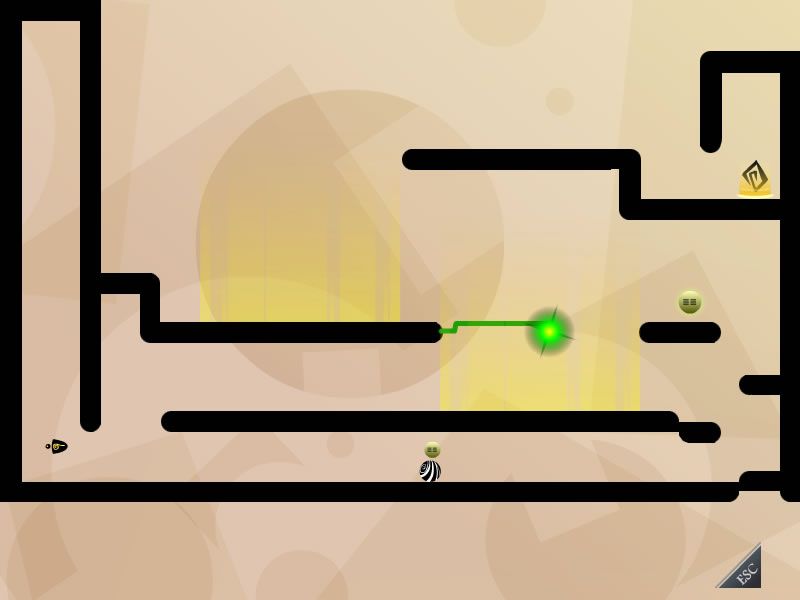
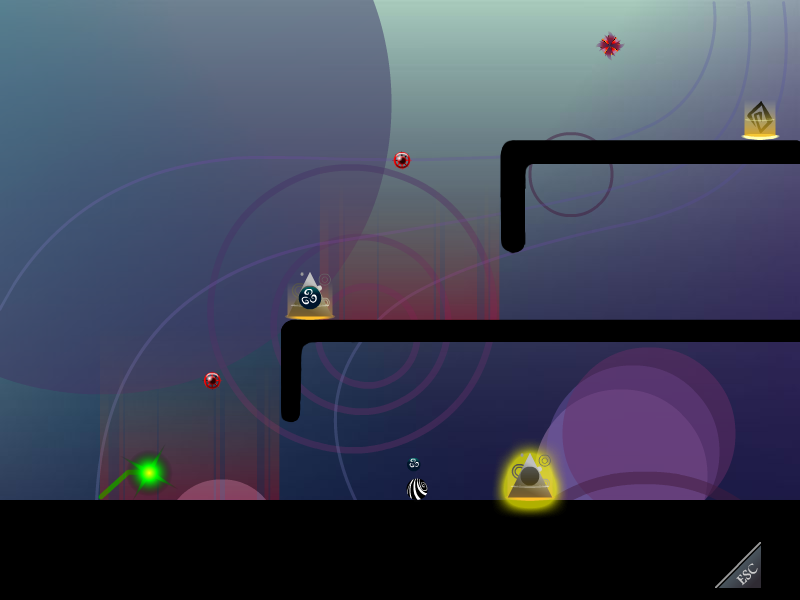
Woosh delivers a fresh spin on the puzzle-platformer genre by centering its mechanics entirely on physics-based line drawing. As you control a simple ball-like character, your primary task is to generate custom bridges—leveraging displacement and velocity—to reach elevated platforms. Picking up an object triggers a dynamic line overlay against the background field, and your horizontal movement dictates the slope and height of that line before it solidifies into a ramp. This innovative system transforms every level into a hands-on experiment in momentum and trajectory.
(HEY YOU!! We hope you enjoy! We try not to run ads. So basically, this is a very expensive hobby running this site. Please consider joining us for updates, forums, and more. Network w/ us to make some cash or friends while retro gaming, and you can win some free retro games for posting. Okay, carry on 👍)
The challenge ramps up quickly once static and dynamic obstacles enter the picture. Touching these hazards teleports you back from your goal, forcing you to plan your bridge not just for slope but also for safe navigation. Because most static obstacles are randomly generated, each run feels unique, demanding that you constantly adapt your drawing strategy. And if a particular attempt fails, Woosh makes it easy to erase the bridge and try again until you find the optimal route.
Woosh also caters to different skill levels by offering three difficulty settings. Beginners can practice basic movement—walking, jumping, and sprinting—while veteran players can push their mastery of line slopes under tighter constraints. The general action key unlocks additional interactions in later stages, such as toggling teleporters or moving obstacles mid-draw. This layered approach keeps the gameplay engaging, whether you’re after a leisurely puzzle session or a more intense, speed-driven challenge.
Graphics
At first glance, Woosh’s aesthetic might appear deceptively simple, but that minimalism is its greatest strength. The clean, uncluttered backgrounds ensure that your drawn lines stand out crisply, allowing you to focus on precision without visual noise. Subtle gradients and soft lighting effects add depth to each level, giving a modest but pleasing sense of atmosphere.
The character design—a round, fluid ball—matches the game’s emphasis on motion and physics. Animations are smooth and responsive, reinforcing the tactile feel of movement as you sprint, jump, and pivot across your custom bridges. Even when obstacles flash or teleport, the transitions remain visually coherent, preventing any jarring interruptions to the flow of play.
Obstacles themselves are color-coded and slightly stylized, making it easy to distinguish between static hazards and dynamic teleporters. When the game shifts difficulty or introduces new tools, small visual cues—like a change in background hue or a glowing outline—signal these updates without overwhelming the player. Overall, Woosh strikes a compelling balance between form and function, ensuring visuals support rather than distract from its core puzzle mechanics.
Story
Unlike many modern platformers, Woosh opts for an abstract, narrative-free experience that places the spotlight squarely on gameplay. There’s no sprawling backstory or character motivations to sift through—just you, your ball avatar, and a series of physics puzzles that invite pure problem solving. This deliberate absence of narrative keeps players focused on mastering the mechanics rather than following a plot.
For those who crave context, it’s worth noting that Woosh was developed in tandem with Waker, its narrative-driven counterpart. While Waker features a cat-like character and structured story beats, Woosh stays true to abstraction, providing a complementary experience for those who prefer open-ended challenges. This side-by-side approach demonstrates the developer’s commitment to both form factors: one rooted in story, the other in conceptual gameplay.
The lack of a traditional storyline also enhances replayability. Since levels rely on procedural obstacle placement and player-driven solutions, there’s no single “right” way to proceed. Each session becomes a fresh puzzle to decode, allowing you to craft your own sense of progression as you refine techniques and experiment with new bridge designs. In Woosh, the story is what you make of your own triumphs and near-misses.
Overall Experience
Woosh excels at delivering a focused, physics-oriented puzzle experience. Its core mechanic—drawing bridges with real-time slope control—feels both innovative and satisfying, encouraging experimentation while offering clear, measurable feedback on your performance. The inclusion of random obstacles and multiple difficulty levels further extends the game’s lifespan, inviting repeated playthroughs without feeling repetitive.
From a user-friendly interface to its instantly readable visual style, Woosh removes barriers to entry and lets puzzle enthusiasts dive straight into creative problem solving. Whether you’re patiently plotting your next ramp or sprinting to beat the clock, the game’s responsiveness and clean design keep frustration at bay. Even the erase-and-retry loop feels smooth, reinforcing a trial-and-error mentality that’s essential for puzzle mastery.
Ultimately, Woosh is a standout choice for players who appreciate minimalism married with clever mechanics. It may not provide an epic storyline, but its precise control scheme, dynamic obstacle interactions, and elegant presentation culminate in an experience that’s both challenging and oddly serene. If you’re looking for a platformer that rewards both patience and ingenuity, Woosh delivers in spades.



Reviews
There are no reviews yet.