 Retro Replay Retro Replay gaming reviews, news, emulation, geek stuff and more!





Retro Replay Review
Gameplay
Navy Seal places you directly in the boots of an elite operative, tasking you with three independent missions that span a variety of challenges. Each mission is broken into distinct “portions,” meaning you’ll rapidly switch between side-scrolling combat, underwater swimming sequences, and submarine navigation. This multi-mechanic approach keeps the action fresh and ensures no two levels feel identical.
(HEY YOU!! We hope you enjoy! We try not to run ads. So basically, this is a very expensive hobby running this site. Please consider joining us for updates, forums, and more. Network w/ us to make some cash or friends while retro gaming, and you can win some free retro games for posting. Okay, carry on 👍)
The core of the experience lies in its side-scrolling arcade action, where reflexes and precision are paramount. You have a single life per mission and no power-ups to bail you out, so every shot you take and every footstep you make carries weight. Enemies are unforgiving, and mistakes are swiftly punished with a sudden game over, reinforcing the realistic, high-stakes atmosphere.
Beyond the arcade segments, the swimming and submarine portions add a welcome layer of variety. Underwater sequences require careful oxygen management and keen observation to avoid mines or enemy divers. Meanwhile, the submarine stages lean more toward exploration and tactical positioning, giving you a brief respite from the run-and-gun chaos above water.
Graphics
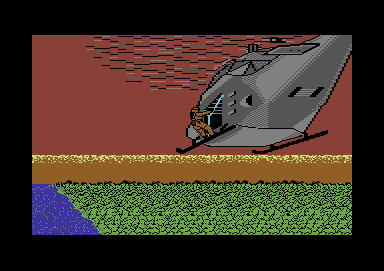
Graphically, Navy Seal channels the gritty aesthetic of its military theme. Character sprites are modestly detailed, but the realistic color palette—muted greens, steel grays, and deep blues—immerses you in clandestine operations. Backgrounds vary from desert outposts to cavernous underwater caverns, each rendered with enough detail to set the scene without cluttering the action.
Animation is solid for an arcade-style side-scroller. Your SEAL moves with believable weight, from crouching shots to diving kicks, and enemy soldiers react with quick, staggered deaths that underscore the game’s unforgiving nature. Submarine portions employ smooth scrolling and subtle bubbles or water distortions to reinforce the underwater setting.
While Navy Seal doesn’t push the hardware limits in terms of cutting-edge effects, it strikes a good balance between clarity and atmosphere. Visual feedback—flashes for gunfire, splashes when diving into water, and simple HUD elements—remains intuitive, ensuring you never lose sight of the action during high-stress moments.
Story
The narrative in Navy Seal is fairly superficial, deliberately focusing on action over deep exposition. Each mission opens with a brief text briefing that outlines your objective—rescue hostages, neutralize a terrorist cell, or retrieve vital intel—but there’s no overarching storyline to tie the segments together. This independence allows you to jump into any mission without prior context.
Although the plot may feel lightweight, it serves as a functional backdrop for the gameplay. You get just enough detail to understand why you’re swimming through enemy-infested waters or infiltrating a guarded facility. The lack of cutscenes or lengthy dialogue keeps the pace brisk, catering to players eager for nonstop action rather than story-driven immersion.
For those seeking a cinematic, character-driven campaign, Navy Seal may come up short. However, fans of classic arcade shooters will appreciate the straightforward mission briefs and laser focus on combat efficiency. In this context, the story does exactly what it needs to—provide clear goals and maintain a sense of urgency throughout each independent operation.
Overall Experience
Navy Seal’s blend of mini-game variety and old-school side-scrolling action offers an intense, high-octane experience. The absence of power-ups and limited lives create genuine tension; each encounter feels meaningful, and victory tastes sweeter when you reach the end of a mission unscathed. This design choice ensures that even repeat playthroughs remain challenging.
Despite its sparse storyline, the game delivers on its promise of tactical immersion. The shifting mechanics—from on-foot infiltration to underwater navigation—prevent monotony and showcase a commendable range for what is essentially a retro arcade title. While some may find the difficulty curve steep, the sense of accomplishment with each successful mission is undeniable.
Ultimately, Navy Seal is best suited for players who value tight, skill-based gameplay over deep narrative or cutting-edge visuals. Its mission-focused structure makes it easy to pick up and play in short bursts, but seasoned gamers will find enough complexity to stay engaged. If you’re in the market for a fast-paced, no-frills military shooter that demands precision and rewards perseverance, Navy Seal is well worth your time.


Reviews
There are no reviews yet.