 Retro Replay Retro Replay gaming reviews, news, emulation, geek stuff and more!
Retro Replay Review
Gameplay
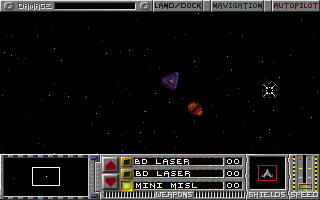
Command Adventures: Starship delivers a deep blend of exploration, strategy, and tactical combat that keeps you invested from your first jump through hyperspace. From the moment you step off the starbase, the game’s overhead view offers intuitive controls for navigation and real-time encounters. Whether you’re charting unclaimed star systems or engaging hostile alien vessels, every decision carries weight. The seamless transition from space flight to combat scenarios ensures you never lose momentum—one moment you’re scanning a derelict freighter, the next you’re dogfighting enemy fighters in the void.
(HEY YOU!! We hope you enjoy! We try not to run ads. So basically, this is a very expensive hobby running this site. Please consider joining us for updates, forums, and more. Network w/ us to make some cash or friends while retro gaming, and you can win some free retro games for posting. Okay, carry on 👍)
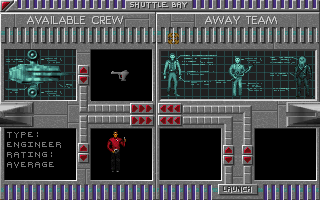
The crew management system adds a compelling layer of depth. You’ll recruit specialists—from gunnery experts to skilled engineers—based on your mission objectives. Hiring the right mix of personnel is crucial, especially when you plan a planetary assault. Engineers are indispensable for erecting the Isolation Grid on hostile worlds, while medics and security officers keep your away team alive under fire. Balancing roster size and payroll costs creates strategic tension: overspend on salaries and you’ll struggle to upgrade your fleet; skimp on crew and you risk mission failure.
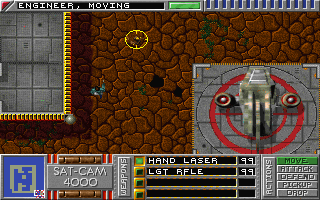
Ground combat takes the familiar turn-based tactics genre into new territory. When you land on a planet or board a crippled ship, you issue movement and attack orders in a grid-based environment. Terrain features such as rock outcroppings or decompression chambers become vital choke points. Capturing alien weaponry yields new gear that can be outfitted back at the starbase, encouraging you to explore every nook and cranny. Even routine salvage missions feel rewarding thanks to the unpredictable layouts and dynamic objectives.
Finally, the economy and upgrade path provide long-term motivation. Credits gained from selling captured tech or conquering worlds can be invested in new hulls, advanced shields, or experimental weapons. You’ll often face difficult choices: Do you save up for a capital-class dreadnought, or invest immediately in cloaking devices that give you the edge in scout missions? This push-and-pull between immediate benefits and long-term power keeps the gameplay loop consistently engaging.
Graphics
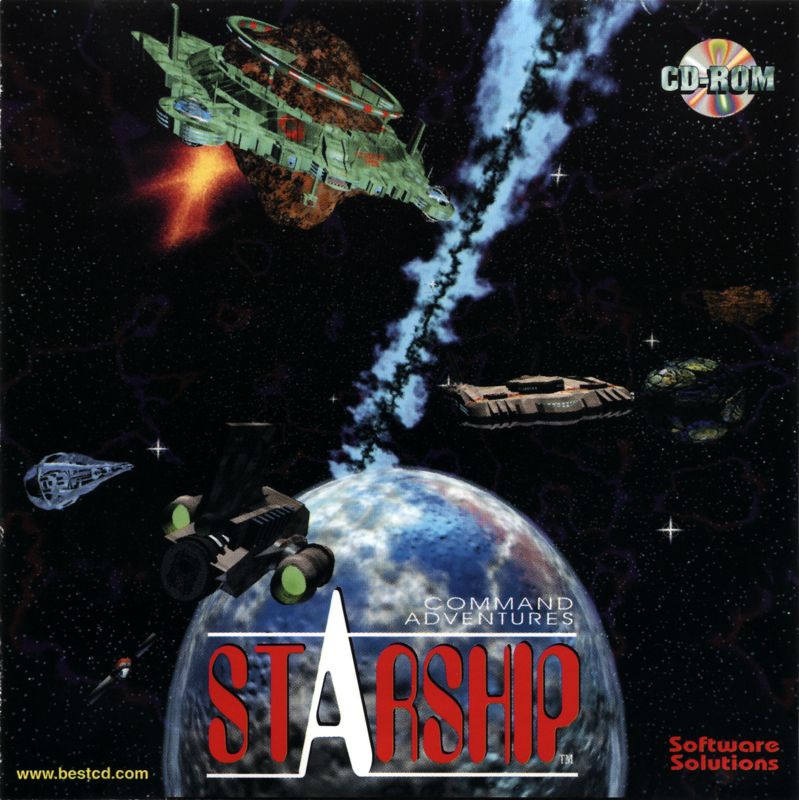
Visually, Command Adventures: Starship strikes a balance between functionality and flair. The overhead star map is crisp and color-coded to highlight claimed, neutral, and contested systems. Starships are rendered with clean, angular lines that harken back to classic sci-fi schematics, but vibrant thruster trails and weapon effects modernize the presentation. You’ll appreciate the distinctive silhouettes of the 12 playable races’ vessels—each design reflects cultural aesthetics, from sleek, insectoid frigates to bulky, armored dreadnoughts.
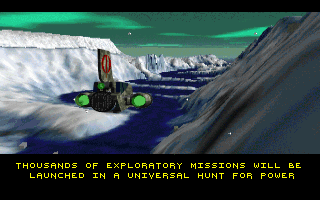
In combat, the graphical clarity remains strong. Space battles feature dynamic particle effects for lasers and missiles, while shield impacts show rippling distortions on hull surfaces. On the ground, the tile-based maps use a muted palette that conveys the barren landscapes of frontier planets. Isolation Grid pylons glow with an eerie blue energy, marking your territory as you secure the map’s corners. While textures aren’t hyper-detailed, the clean geometry ensures quick readability, which is essential during tense tactical engagements.
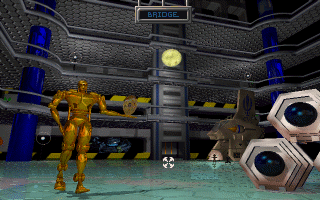
Cutscenes and mission briefings provide additional polish. Animated starfields and 3D ship renderings accompany text overlays, setting the stage for your next assignment. Crew portraits, though stylized, convey personality through expressive poses and subtle animations—blinking eyes, shifting weight, or even a tactical visor lowering. These small touches immerse you in the universe without bogging down loading times or performance.
Overall, the graphics strike a practical compromise: they’re not pushing the bleeding edge of realism, but they enhance clarity and atmosphere. Whether you’re plotting a fleet maneuver or commanding an away team under fire, the visual design supports strategic decision-making and reinforces the game’s sci-fi setting.
Story
The narrative backdrop of Command Adventures: Starship is both epic and refreshingly open-ended. In the year 2127, twelve cultural empires finally laid down their arms, leaving behind a fractured galaxy teeming with unclaimed worlds. As a newly commissioned starship captain, you step into this era of fragile peace with a singular mandate: explore, conquer, and expand your empire’s influence. This premise captures the grand sweep of space opera while giving you freedom to carve your own path.
Despite its sandbox nature, the game provides compelling vignettes that illuminate the post-war political landscape. Diplomats may approach you to mediate minor territorial disputes, or rumor of a black market arms dealer on a derelict station might lure you into a trap. These mission threads, while optional, enrich the lore and make the galaxy feel alive. You’ll encounter factions vying for power, enigmatic alien relics hinting at ancient civilizations, and moral dilemmas that challenge your approach to conquest.
Character interactions also play a key role in the storytelling. Your senior officers are more than stat lines; they have motivations, personal loyalties, and occasional disagreements. A brilliant engineer might push for risky planetary invasions to seize rare minerals, while your chief of security warns against leaving the crew exposed. These conflicts unfold in dialogue sequences that can influence mission outcomes and crew morale, adding layers of narrative tension.
Finally, the emergent story—the one you create through your choices—becomes the most memorable aspect. Will you lead a brutal campaign of domination or pursue a more diplomatic route, offering protection to nascent colonies in exchange for resources? The game’s mechanics support multiple playstyles, ensuring your personal saga is as consequential as the grand narrative of a galaxy rebuilding itself after centuries of war.
Overall Experience
Command Adventures: Starship excels as a comprehensive space conquest simulator. Its tight integration of strategic map management, real-time space combat, and turn-based ground engagements delivers a multifaceted experience that rarely feels repetitive. The learning curve is present but fair: early missions serve as on-ramps to the game’s deeper systems, and tooltips guide you through crew assignments, ship outfitting, and tactical planning.
The pacing is another highlight. A typical session might begin with charting new star systems, segue into a skirmish with pirate raiders, then wrap up with establishing an outpost on a frontier planet. This variety keeps each play session fresh and ensures that no two campaign stories look the same. Add in the satisfaction of analyzing captured alien weapons or designing custom fleet loadouts, and you have a game that rewards both quick thinking and long-term strategizing.
On the downside, the UI occasionally feels dense—especially when juggling multiple away teams or managing a sprawling empire of planets. However, hotkeys and customizable presets help streamline common tasks, reducing micromanagement fatigue. Multiplayer options are limited at launch, but the promise of cooperative conquest and competitive skirmishes hints at future replayability.
All told, Command Adventures: Starship is a robust title that shines for fans of 4X strategy and tactical combat alike. Its combination of engaging gameplay loops, atmospheric graphics, and a living galaxy narrative makes it an immersive choice for anyone eager to captain their own starship and shape the fate of a post-war universe.


Reviews
There are no reviews yet.