 Retro Replay Retro Replay gaming reviews, news, emulation, geek stuff and more!
Retro Replay Review
Gameplay
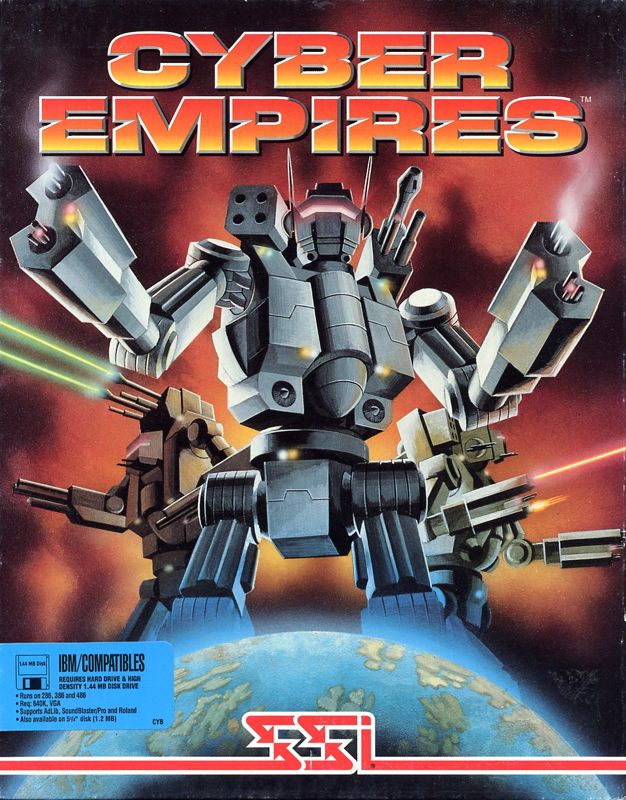
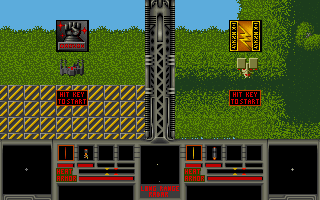
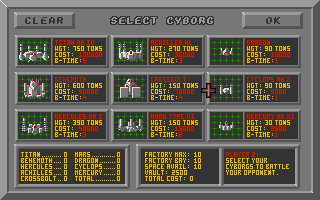
Cyber Empires offers a finely tuned blend of tactical skirmishes and broader strategic campaigns, harking back to its predecessor’s simplicity while laying the groundwork for the depth fans would later see in Fantasy Empires. At its heart, every turn challenges you to balance unit positioning, resource gathering, and city management. Combat unfolds on hex-based maps where terrain alters movement costs and defensive bonuses, rewarding careful planning over brute force. Early skirmishes introduce you to basic robot chassis and weapon types, but as the campaign progresses, you’ll unlock aerial drones, heavy artillery mechs, and stealth platforms that radically change the dynamics of each engagement.
(HEY YOU!! We hope you enjoy! We try not to run ads. So basically, this is a very expensive hobby running this site. Please consider joining us for updates, forums, and more. Network w/ us to make some cash or friends while retro gaming, and you can win some free retro games for posting. Okay, carry on 👍)
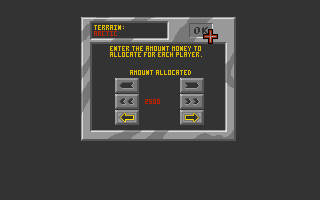
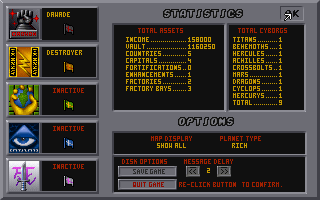
Resource management in Cyber Empires is refreshing in its clarity. You harvest energy crystals and ore from controlled territories, allocate them to production lines or research queues, and watch your empire expand one hex at a time. Capturing neutral cities not only boosts your income but also grants access to unique local technologies, incentivizing aggressive expansion while still demanding shrewd diplomatic maneuvers. The AI opponents adapt to your style—if you favor frontal assaults, expect them to fortify chokepoints; if you rely on ranged units, they’ll develop mobile hit-and-run squads to harass your supply lines.
One of the most satisfying aspects is city siege warfare. Instead of mindless attrition, you must breach defensive walls by positioning siege mechs, launching ballistic barrages, or deploying infiltrator bots to disable turrets from within. Each method carries its own risk and reward: sacrificing firepower for sabotage or risking unit losses in a frontal breach. These layered tactical options keep every battle fresh and underscore Cyber Empires’ commitment to giving players meaningful choices in the fog of war.
Graphics
Graphically, Cyber Empires embraces a streamlined, isometric 2D aesthetic that prioritizes clarity over flashy effects. Units are crisply animated, with distinct silhouettes for light scouts, medium assault mechs, and hulking siege engines. The color palette shifts depending on terrain—lush greens for forested regions, rusted browns for desert wastelands, and icy blues for tundra—but never to the point of obscuring critical information. Health bars and status icons remain visible even when units overlap, ensuring you can make split-second decisions without fumbling through menus.
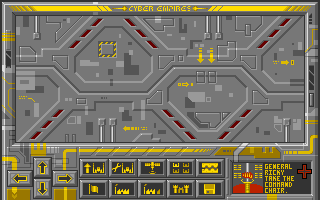
Special effects, while modest by modern standards, still pack a punch. Laser blasts leave shimmering trails on the battlefield, artillery shells kick up dust clouds, and structure demolitions culminate in satisfying craters. The UI overlays these visuals with transparent panels that display turn timers, resource tallies, and enemy intel so you’re never guessing at the state of play. All animations are optimized to run smoothly on mid-range hardware, making Cyber Empires accessible to aficionados of classic strategy titles as well as newcomers seeking a polished, retro-inspired look.
Visually, the game also leverages simple yet evocative cutscenes between campaign missions. Static art frames depict faction leaders in heated council meetings or surveying smoldering battlefields, while brief text scrolls convey shifting alliances and emergent threats. These narrative beats might lack voice acting, but they inject personality into each robotic warlord and build anticipation for the next strategic challenge. For players who appreciate form following function, Cyber Empires strikes exactly the right balance.
Story
Unlike story-heavy strategy epics, Cyber Empires opts for a lean, functional narrative that centers on the struggle for supremacy among three rival robotic nations. You step into the metallic boots of a newly appointed commander—be it the technocratic Nova Corp, the militaristic Titan Union, or the enigmatic Seraphim Collective—and guide your faction toward dominance. The opening consolidation missions serve as both tutorial and exposition, introducing the geopolitical stakes: dwindling energy reserves, shifting alliances, and the looming threat of a rogue AI uprising.
As campaigns progress, you encounter scripted events that force moral choices: do you quarantine a biotech research lab for the greater good, or seize its secrets at the risk of civil unrest? These decision points don’t derail the streamlined gameplay, but they do add flavor by altering resource yields or unlocking experimental units. Though there are no branching story arcs in the traditional sense, the consequences of your strategic priorities—whether you invest in advanced weaponry or diplomatic outreach—reshape subsequent mission parameters and the distribution of neutral city-states.
The tone throughout stays consistently focused on military pragmatism rather than melodrama. Brief mission briefings and end-of-mission debriefs supply enough context to keep players invested, while the lack of elaborate cutscenes ensures that the spotlight remains on your tactical choices. In that sense, Cyber Empires succeeds as both a precursor to Fantasy Empires’ richer lore and a standalone narrative experience that lets the battlefield speak for itself.
Overall Experience
Playing Cyber Empires today feels like rediscovering a classic strategy blueprint—accessible enough for beginners yet deep enough to challenge seasoned tacticians. The learning curve is gentle; a comprehensive in-game manual and step-by-step tutorials guide you through each mechanic. Yet, by mid-campaign, you’ll find yourself juggling multi-front offensives, siege operations, and resource blockades with the same intensity that defined the golden age of turn-based strategy.
Replay value is high thanks to multiple factions, randomized map seeds, and configurable difficulty levels. Whether you’re experimenting with full-frontal assaults using heavy mechs or refining hit-and-run tactics with light scouts, each playthrough demands fresh approaches. There’s also a two-player hotseat mode for head-to-head contests, adding a competitive edge that complements the AI-driven single-player challenges. For community-minded strategists, fan-made scenario editors keep the content pipeline flowing well beyond the base campaigns.
Ultimately, Cyber Empires stands as an engaging entry in turn-based tactics, offering a focused strategic experience without unnecessary bloat. While its successor, Fantasy Empires, would later expand on faction-specific heroes and elaborate tech trees, this game’s strength lies in its elegant simplicity. For players seeking a robust tactical war game with straightforward mechanics, memorable siege sequences, and enough strategic depth to stay compelling for dozens of hours, Cyber Empires remains a surprisingly resilient classic.

Reviews
There are no reviews yet.