 Retro Replay Retro Replay gaming reviews, news, emulation, geek stuff and more!
Retro Replay Review
(HEY YOU!! We hope you enjoy! We try not to run ads. So basically, this is a very expensive hobby running this site. Please consider joining us for updates, forums, and more. Network w/ us to make some cash or friends while retro gaming, and you can win some free retro games for posting. Okay, carry on 👍)
Gameplay
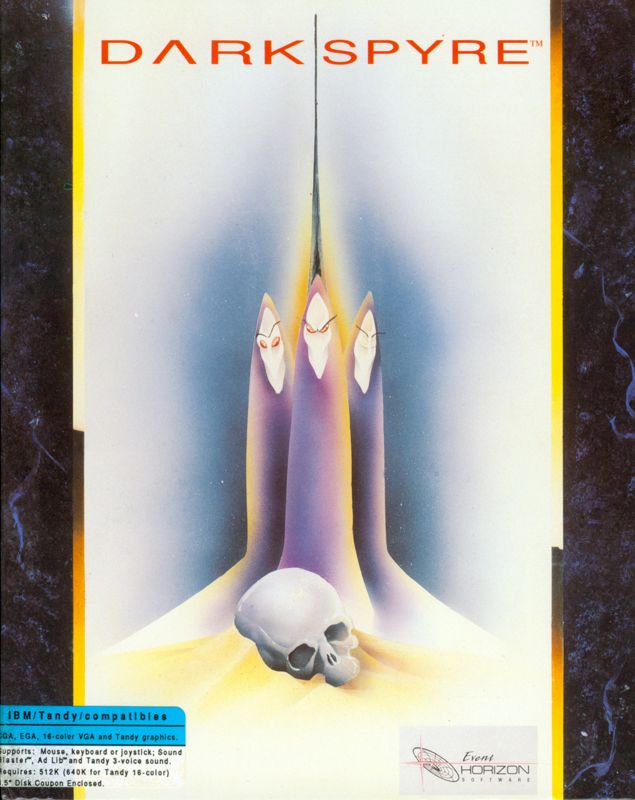
DarkSpyre places you at the foot of a fearsome, multi‐layered tower created by the Gods of War, Intelligence, and Magic. Your task is straightforward in concept but fiendishly complex in execution: navigate 39 critical levels (out of a total of 50), outwit deadly traps, solve cryptic riddles, and reclaim five potent runes hidden within. Each floor presents a fresh combination of maze‐like corridors, locked doors, and pressure‐plate puzzles that demand both sharp wits and careful mapping to avoid retracing your steps—or worse, stumbling into a well‐laid ambush.
Combat is real‐time and action‐based, a departure from pure turn‐based crawlers. You swing swords, thrust spears, and cast spells on the fly, but every blow you land wears down your equipment. Weapons fracture after repeated use, and armor loses protective quality over time, forcing you to constantly weigh the risk of pressing onward against scavenging for fresh gear. This durability mechanic injects tension into every encounter: each monster might be your last if you’re not conserving resources or retreating at the right moment.
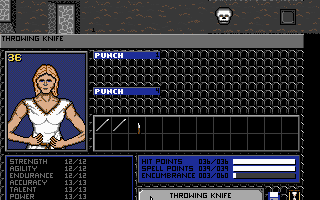
Character progression in DarkSpyre hinges on usage: repeatedly swinging a longsword hones your swordsmanship, just as routine healing or offensive spellcasting deepens your magical aptitude. At creation you choose a gender and magical specialization—either healing or offensive—then distribute points among combat attributes. This system encourages a deliberate build, as you can’t simply dump points into every stat; you’ll need to decide early whether to bolster your durability, your dexterity for dodging traps, or your mental acumen to decipher even tougher puzzles.
The tower’s riddles and environmental puzzles lend a cerebral counterpoint to the hack‐and‐slash. You might encounter a sequence of floor‐plate symbols that must be activated in a strict order, or a hidden switch that opens a secret alcove. Failing to pay attention to subtle texture changes or cryptic scrolls can leave you wandering for hours, but overcoming these obstacles delivers a genuine sense of accomplishment. Overall, DarkSpyre’s gameplay loop skillfully blends strategic exploration, resource management, and fast‐paced combat into a unified, challenging experience.
Graphics
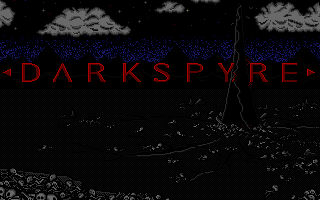
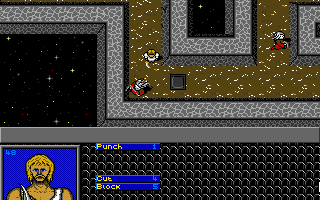
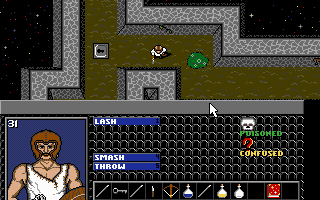
DarkSpyre employs a top‐down perspective common to early ’90s dungeon crawlers, rendered in crisp pixel art that still holds a nostalgic charm today. The color palette leans toward muted grays and earthy browns, perfectly capturing the oppressive atmosphere of a demon‐infested tower. While textures are simple by modern standards, the clarity of walls, doors, and floor tiles ensures you never lose track of hidden alcoves or secret passages.
Each level’s layout feels distinct despite tile‐set repetition. Corridors twist into dead ends, chambers open into vast halls, and trapdoors blend seamlessly into the floor unless you’re looking for subtle visual cues. Lighting effects are minimal, but clever use of shading gives the illusion of torchlight flickering across stone walls. Occasionally a glint of metal or a flash of spellcasting glow brings these otherwise foreboding halls to life.
Monster sprites are small yet highly recognizable—slithering serpents, skeletal warriors, and hulking brutes each sport their own silhouette and attack animation. Even with limited frames of animation, the designers have imbued them with just enough personality to make combat encounters memorable. Item icons for weapons, armor, and scrolls are likewise distinct, ensuring you can quickly identify critical loot in the heat of battle.
The user interface is clean and functional: health and endurance bars occupy dedicated screen space, while a concise inventory display lists your weapons, armor, and magical scrolls. Though the UI may feel sparse compared to modern RPGs, its minimalism serves the game well, keeping the focus on exploration rather than menu tedium. Overall, DarkSpyre’s graphics deliver a cohesive, immersive dungeon environment that still resonates with fans of retro RPGs.
Story
At its core, DarkSpyre is a divine contest. The Gods of War, Intelligence, and Magic, having grown bored with mortal affairs, erected the titular tower to test champions from across the land. Five runes, each imbued with cosmic power, lie scattered across its levels. Should they fall into the wrong hands, the world will be plunged into eternal ruin. Your champion is the last hope—tasked with retrieving the runes and restoring balance.
Story fragments are delivered through parchment scrolls and cryptic murals found in hidden chambers. There are no lengthy cutscenes; instead, narrative unfolds organically as you delve deeper into the tower. You learn of past heroes who failed, of alliances formed and broken, and of the very nature of the gods who demand your mastery. This minimalist approach to storytelling places emphasis on player discovery rather than exposition, heightening the sense of mystery around your divine patrons.
Your protagonist’s choices at character creation—gender and magical specialization—have little bearing on branching story paths, but they do influence how you engage with DarkSpyre’s lore. A healing‐oriented hero might find solace in text referencing sacrificial rites or the benevolent aspects of Magic’s divine domain, while an offensive mage might discover darker incantations that hint at War’s relentless ambition. Though subtle, these nuances enrich the experience for lore enthusiasts.
Ultimately, DarkSpyre’s narrative strength lies in its tight thematic coherence. The gods’ triune nature underpins every puzzle, every combat challenge, and every relic you unearth. Even years after its release, the story’s austere tone and high stakes continue to captivate players who relish piecing together a tale from environmental clues and sparse textual breadcrumbs.
Overall Experience
DarkSpyre stands as a testament to the craft of classic dungeon crawlers, balancing cerebral puzzles with adrenaline‐pumping combat. Its challenging gameplay loop—punishing when you stray off course, yet deeply rewarding when you conquer its trials—offers hours of exploratory satisfaction. The interplay of weapon durability, armor wear, and evolving proficiency systems keeps the stakes high and ensures you’re always making meaningful choices.
While its graphics and interface are products of their era, they contribute to a cohesive aesthetic that modern remasters often struggle to capture. The minimalist storytelling, conveyed through scrolls and environmental detail, rewards players who pay close attention to the world around them. Some may find the difficulty curve steep and the need for meticulous mapping daunting, but those who persevere will uncover one of the most engrossing—if unforgiving—dungeon‐crawling adventures of its time.
DarkSpyre is not for casual gamers seeking a hand‐holding experience. Instead, it appeals to hardcore RPG enthusiasts, puzzle aficionados, and retro gamers looking for a challenge that marries action and strategy. If you appreciate methodical exploration, tactical resource management, and a no‐nonsense narrative approach, DarkSpyre delivers a deep, timeless adventure.
In an age of sprawling open worlds and cinematic set pieces, DarkSpyre’s lean design and focused ambition feel refreshingly pure. It doesn’t reinvent the wheel, but it refines every aspect of dungeon‐crawl tropes into a finely tuned, perilous odyssey. For players ready to face its gauntlet of traps, monsters, and mind‐benders, DarkSpyre remains a hidden gem well worth rediscovering.


Reviews
There are no reviews yet.