 Retro Replay Retro Replay gaming reviews, news, emulation, geek stuff and more!



Retro Replay Review
Gameplay
Death Bringer’s core gameplay is a faithful homage to classic first-person dungeon crawlers, offering step-by-step exploration that demands attention to detail and careful mapping. Each tile of the labyrinthine corridors hides potential traps, secret doors, or wandering monsters. Players will find themselves constantly scanning walls for hidden levers or breakable sections, a mechanic that encourages slower, more deliberate progress rather than mindless hack-and-slash.
(HEY YOU!! We hope you enjoy! We try not to run ads. So basically, this is a very expensive hobby running this site. Please consider joining us for updates, forums, and more. Network w/ us to make some cash or friends while retro gaming, and you can win some free retro games for posting. Okay, carry on 👍)
Combat in Death Bringer strikes a balance between strategy and immediacy. When you confront medusas, evil priestesses or skeletal knights, you’ll need to manage spells, melee weapons and ranged attacks in real time, pausing only to rotate the view or change equipment. Spellcasting feels weighty and tactical: fireballs can decimate a cluster of undead foes, but misfires risk ruining scarce mana reserves when you need healing or protective wards.
Character progression is handled through a classic RPG leveling system. Experience earned from vanquishing Azazael’s minions allows you to increase your strength, agility or magical prowess. You’ll also discover new equipment—enchanted swords, potent staves and rare armor—that can be equipped on the fly. Inventory space is limited, so choosing which potions or relics to carry becomes an added layer of decision-making.
Puzzles and environmental challenges are woven into the layout of Mezron’s dungeons. From pressure plates that activate hidden bridges to winding waterways requiring timed switches, these brain-teasers break up combat encounters and reward clever thinking. While some puzzle solutions can feel obtuse by modern standards, they do evoke the satisfying “aha!” moment that defined early RPGs such as Bard’s Tale or Dungeon Master.
Graphics
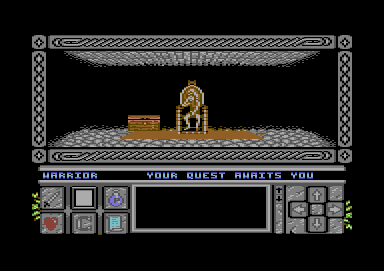
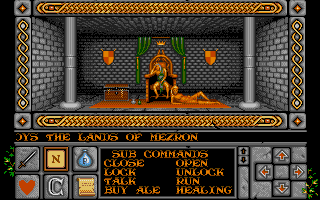
Visually, Death Bringer sports a 3D view that, though dated by today’s standards, retains a nostalgic charm. Textured walls and colorful floor tiles create a convincing sense of place as you traverse gloomy crypts or subterranean caverns. Lighting effects—such as flickering torches and glowing runes—add moodiness, helping to bring Mezron’s darker corners to life.
Monster designs are varied and memorable. Medusas, with their snake-haired visages, snake across the corridor floors before unleashing petrifying stares; cultist priestesses chant ominous spells in ornate ritual chambers; swarms of zombies lurch forward with ragged movements. Each creature’s sprite animation, though limited in frame count, manages to convey personality and threat level without becoming repetitive too quickly.
The game interface remains unobtrusive, with health, mana and equipment panels tucked into the screen borders. An automap feature unfolds new sections only as you explore them, reinforcing the sense of discovery. While there is no high-resolution support or dynamic shadows, the consistent art direction and cohesive color palette effectively evoke the medieval-fantasy ambiance.
On higher-end systems of its era, players could tweak draw distances and display resolutions, which slightly improved texture sharpness. However, the game never tries to overreach—its graphics engine is stable and optimized, so even prolonged sessions crawling through undead-infested hallways feel smooth and responsive.
Story
The narrative thrust of Death Bringer is straightforward yet compelling: the land of Mezron is under siege by the resurrected wizard Azazael, who hunts five mystical gems granting ultimate power. As an intrepid adventurer, your mission is to thwart his dark ambitions before he plunges the world into eternal night. The urgency of this quest is underscored by occasional NPC encounters, where villagers or surviving knights beg for aid or share rumors of Azazael’s whereabouts.
While the story beats follow familiar fantasy tropes—ancient evils, sacred artifacts and one-hero destiny—the game enriches them with environmental storytelling. Murals in ruined temples depict Azazael’s previous reign of terror, and crumbling tomes detail the gem-forging process. Discovering these lore fragments makes the player’s journey feel earned rather than just a series of combat rooms.
Dialogue is functional rather than flowery, but it serves its purpose. Minor characters provide hints about boss weaknesses or puzzle solutions, and overheard snippets in taverns help flesh out Mezron’s desperate state. The final confrontation with Azazael itself combines a brief cinematic with an intense multi-stage battle that ties the narrative threads—gem collection, betrayal of an ally turned undead—into a satisfying climax.
Death Bringer’s story pacing is measured: early levels introduce core mechanics, mid-game segments deepen the plot with cultist intrigues, and the final dungeons ratchet up both challenge and narrative stakes. Though seasoned RPG veterans may predict some twists, the game’s earnest delivery and well-scaffolded progression keep the experience engaging throughout.
Overall Experience
Death Bringer will resonate most strongly with fans of classic dungeon crawlers seeking an old-school challenge. Its methodical exploration, inventory management and puzzle design demand patience and a willingness to learn from mistakes. Newcomers accustomed to modern RPG quality-of-life features may find the game’s deliberate pace and mapping requirements daunting at first.
Despite some rough edges—such as occasional menu navigation delays or cryptic puzzle hints—the game delivers a cohesive, rewarding journey. The combination of strategic combat, atmospheric graphics and incremental world-building immerses you in Mezron’s perilous landscape. Encounters with medusas or high-level undead can be thrilling, especially when you narrowly escape with a health potion to spare.
For potential buyers, Death Bringer represents both a nostalgic trip and an exemplar of 1990s dungeon-crawler craftsmanship. It doesn’t hold your hand but instead invites you to chart your own course, celebrate small victories and piece together Azazael’s unfolding menace. Its balance of exploration, combat and storytelling ensures that each session remains engaging.
Ultimately, if you appreciate games that reward careful planning, encourage map-making and immerse you in a world beset by dark magic, Death Bringer is a title worth considering. Prepare to devote time to uncovering its secrets, and you’ll find a richly textured adventure that stands alongside the era’s finest RPGs.


Reviews
There are no reviews yet.