 Retro Replay Retro Replay gaming reviews, news, emulation, geek stuff and more!
Retro Replay Review
Gameplay
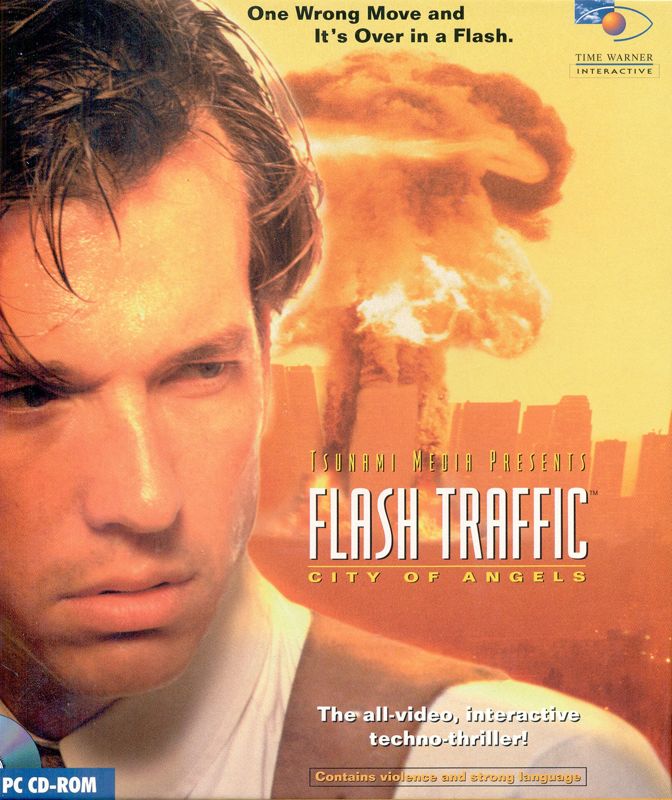
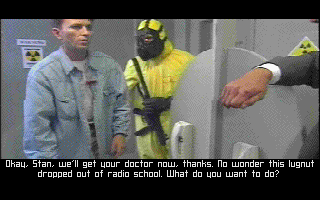
Flash Traffic: City of Angels revolves around full-motion video sequences punctuated by critical decision points. As a DEA agent, you navigate through a network of FMV clips, selecting from up to three dialogue or action options that directly influence the flow of the narrative. The pacing is deliberate, giving you time to assess each scenario, whether you’re ordering a SWAT team into a hijacked apartment or interrogating a shaken bomb-maker.
(HEY YOU!! We hope you enjoy! We try not to run ads. So basically, this is a very expensive hobby running this site. Please consider joining us for updates, forums, and more. Network w/ us to make some cash or friends while retro gaming, and you can win some free retro games for posting. Okay, carry on 👍)
The decision-making system is both the game’s greatest asset and its primary limitation. On one hand, your choices matter: challenging suspects aggressively can yield confessions but might trigger violence, while a more diplomatic approach can uncover hidden leads. On the other hand, the branching is relatively shallow by modern standards—many choices loop back to a similar set of outcomes, so you quickly learn which options advance the plot and which stall it.
Puzzle-solving is woven into the gameplay, too. Gathering clues from crime scenes or deciphering radio chatter requires attention to detail, though the puzzles rarely feel taxing. Rather, they serve as brief interludes between tense FMV sequences. For fans of interactive cinema and narrative-driven titles, the gameplay strikes an engaging balance of agency and spectacle, even if veterans of modern branching narratives may find it somewhat straightforward.
Graphics
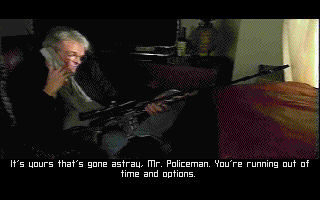
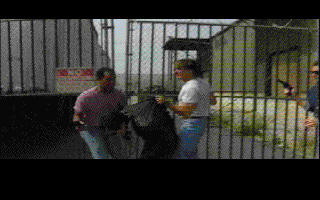
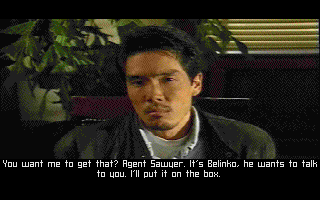
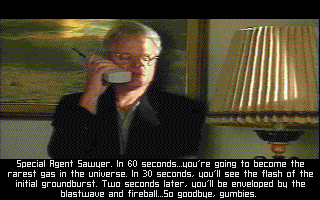
Graphically, Flash Traffic: City of Angels is very much a product of its time. The FMV clips are shot on video tape, resulting in a grainy, letterboxed presentation that occasionally suffers from compression artifacts. While the fidelity pales compared to contemporary HD or streaming video, there’s a certain nostalgic charm to the mid-’90s visuals—grainy textures and moody lighting amplify the gritty atmosphere of Los Angeles under siege.
The production values in the sets and costuming help sell the premise. Apartment interiors feel lived-in and claustrophobic, while exterior shots of downtown streets evoke the urban sprawl and shadowy back alleys of the City of Angels. Close-ups of the actors can be hit-or-miss—some performances shine with authenticity, others betray their low-budget origins—but the overall aesthetic remains cohesive and true to the game’s crime-thriller ambitions.
Complementing the video sequences, the user interface is clean and functional. On-screen prompts clearly indicate available choices, and HUD elements vanish during cutscenes to keep you immersed. Although modern players might itch for higher resolution or more dynamic camera work, the graphical package still conveys enough grit and polish to support the narrative without breaking the illusion.
Story
The central narrative kicks off with a bang: your DEA team raids a seedy apartment only to discover that it doubles as a bomb-assembly workshop. When your FBI contact Sawyer reveals that the device has vanished, the stakes pivot sharply from routine drug enforcement to a race against nuclear annihilation. This premise injects the story with palpable urgency from the first moments of gameplay.
Plot twists emerge as you pursue the primary lead—your quarry’s ex-girlfriend—through smoky jazz clubs, abandoned warehouses, and high-security compounds. Dialogue choices shape your interpersonal dynamics; an empathetic approach to the ex-girlfriend unlocks hidden backstory, while a harder line pushes her into secrecy. These dynamics add depth to otherwise archetypal characters, making the hunt for the elusive German terrorist feel more personal.
Despite its linear design, the story manages to sustain suspense until the finale. You’ll find yourself torn between following protocol and going rogue, with each decision carrying moral weight. While the script occasionally veers into cliché—rocky betrayals, last-second rescues, heightened monologues—it remains engaging enough to keep you invested in preventing the bomb from detonating over the City of Angels.
Overall Experience
Flash Traffic: City of Angels delivers a distinctive slice of mid-’90s interactive storytelling. Its FMV-centric gameplay caters to those who appreciate narrative immersion over twitch-based challenges. If you enjoy feeling like an on-screen agent, issuing commands and interrogating suspects, this title offers a memorable ride—even if it doesn’t always stand up mechanically to modern adventure games.
The game’s production quirks—grainy video, occasional stilted acting—are part of its vintage appeal. Modern players seeking high-fidelity visuals may be jarred, but genre enthusiasts and nostalgia buffs will likely embrace the retro aesthetic. The streamlined decision tree limits replayability to a degree, yet uncovering every dialogue branch and side clue still provides incentive for a second playthrough.
In the end, Flash Traffic: City of Angels is less about revolutionary mechanics and more about immersing you in a high-stakes thriller. It may not redefine the FMV adventure genre, but it stands as a solid example of how interactive cinema can blend plot, performance, and player choice into an engrossing experience. For anyone curious about the evolution of narrative-driven games or craving a taste of ’90s gaming history, this title remains a compelling proposition.


Reviews
There are no reviews yet.