 Retro Replay Retro Replay gaming reviews, news, emulation, geek stuff and more!
Retro Replay Review
Gameplay
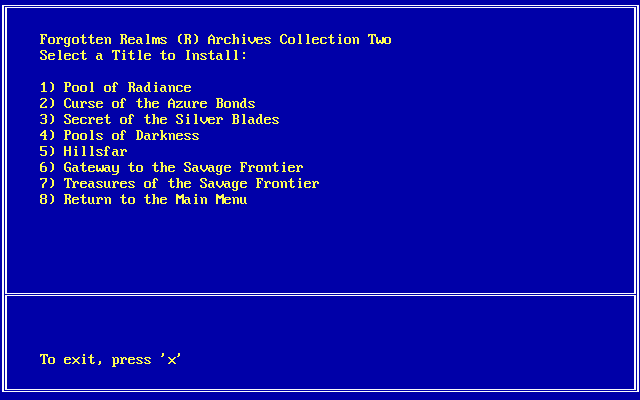
The core of Forgotten Realms: The Archives – Collection Two lies in its deep, turn-based AD&D gameplay, which faithfully reproduces the tabletop experience for PC users. Across seven titles—Pool of Radiance, Curse of the Azure Bonds, Secret of the Silver Blades, Pools of Darkness, Gateway to the Savage Frontier, Treasures of the Savage Frontier, and Hillsfar—you guide a party of adventurers through dungeons, wilderness, and towns brimming with lore and danger. Character creation is robust, allowing players to select race, class, alignment, and skills that matter throughout the campaign.
(HEY YOU!! We hope you enjoy! We try not to run ads. So basically, this is a very expensive hobby running this site. Please consider joining us for updates, forums, and more. Network w/ us to make some cash or friends while retro gaming, and you can win some free retro games for posting. Okay, carry on 👍)
Combat is strategic and deliberate: initiative rolls, spell selection, positioning, and consumable management all factor into success. In the first four “Gold Box” games, battles unfold on a gridded map, demanding careful tactical choices. Gateway and Treasures of the Savage Frontier continue the tradition but introduce new spells, equipment, and tougher enemies, while Hillsfar departs into action-oriented mini-games that emphasize reflexes and timing rather than grid-based tactics.
One of the Collection’s strengths is its faithful reproduction of classic mechanics. MOSLO, the included runtime wrapper, smooths over modern system incompatibilities, although setting up the correct speed can feel fiddly for newcomers. Code wheels for Pool of Radiance, Curse of the Azure Bonds, and Hillsfar remain part of the experience, a nostalgic nod to the era’s copy-protection that may bemuse or delight veteran players.
Exploration is lavishly detailed: from the dim corridors of Phlan to the snow-capped peaks of the Savage Frontier, each module offers side quests, NPC interactions, and hidden treasures. Hillsfar’s arcade segments provide a refreshing change of pace, though their mechanics feel dated compared to the mainline titles. Whether you’re mapping out tombs or navigating social encounters in town, the variety of gameplay in this compilation ensures hours of engagement.
Graphics
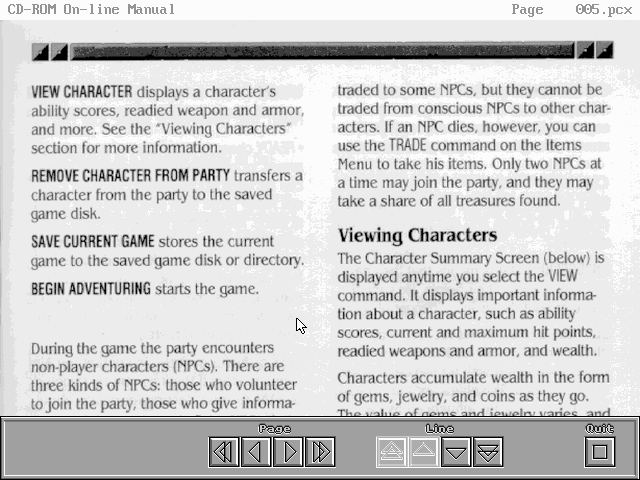
Visually, these late-’80s and early-’90s titles employ 320×200 VGA resolution with 256-color palettes, resulting in pixel art that carries both charm and nostalgia. Character portraits, spell animations, and tile-based environments may look rudimentary by modern standards, yet they retain a clarity and richness that many retro enthusiasts will appreciate. The scanned manual pages on the CD, presented via a basic PCX image viewer, preserve original illustrations—though zooming and navigation can be cumbersome.
Each game’s interface follows the classic Gold Box template: a consistent HUD displaying party stats, inventory, and action menus. As you progress from Pool of Radiance through Pools of Darkness, subtle improvements appear in sprite detail, color vibrancy, and UI streamlining. Gateway to the Savage Frontier and Treasures of the Savage Frontier further refine the engine, introducing new iconography and slightly more elaborate terrain tiles.
Hillsfar stands out visually by adopting a side-scrolling, action-game perspective. While limited in animation frames, its vibrant color usage and varied backgrounds effectively convey different city districts and dungeon challenges. However, the hastiness with which Hillsfar’s graphics were produced can lead to occasional flicker on fast systems, though MOSLO’s timing adjustments help maintain intended frame rates.
Overall, the visual presentation of Collection Two is a faithful archival effort. If you harbor a fondness for period-specific pixel art and interface design, these titles will transport you back to the early days of PC gaming. Newcomers should temper expectations but can still admire the craft and attention to detail that underpinned these genre-defining classics.
Story
The narrative thread weaving through these seven adventures is classic Forgotten Realms fare: heroism, treachery, and high magic set against a sprawling fantasy backdrop. Pool of Radiance introduces you to the ruins of Phlan, where your party thwarts threats tied to the infamous tyrant Tyranthraxus. Curse of the Azure Bonds picks up seamlessly, challenging you to uncover and break sinister enchantments laid upon your heroes.
Secret of the Silver Blades deepens the intrigue, guiding your group into an ancient stronghold filled with arcane guardians and long-buried secrets. In Pools of Darkness, the stakes escalate dramatically, as planar forces threaten the very fabric of your world. The Savage Frontier duo expands the geographical scope, placing your heroes amid border skirmishes, political intrigue, and clashes with the orcish hordes and ogre clans.
Hillsfar diverges from the epic quest structure, offering episodic challenges tied to the city’s factions—such as the Cormanthor Rangers or the Code of the Paladins. While lighter on overarching narrative, it provides colorful vignettes that enrich the setting and let you interact with Forgotten Realms personalities in bite-sized form.
Dialogue is delivered through text boxes accompanied by static character portraits, allowing for memorable NPCs and moral choices that affect minor story branches. Though modern RPGs boast voice acting and dynamic cut scenes, there’s a purity in the written storytelling here that demands your imagination to fill in the gaps. For fans of AD&D lore, the breadth of quests, lore entries, and environmental details will feel like discovering a trove of fiber-worthy tomes to pore over.
Overall Experience
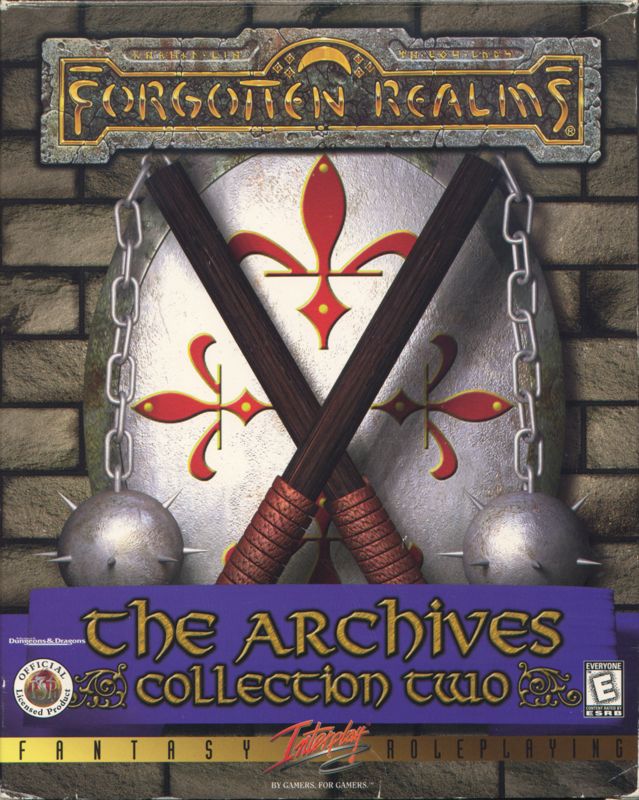
Forgotten Realms: The Archives – Collection Two is both a time capsule and a comprehensive anthology for devotees of classic AD&D gaming. The inclusion of DOS and Windows installers, plus MOSLO, eases compatibility woes on contemporary PCs—though those unfamiliar with old-school setup routines may need patience to achieve optimal performance. The hefty printed manual, supplemented by scanned PCX images on CD, offers a tangible connection to the era of box-art manuals and code-wheel copy protection.
For new players, the learning curve can be steep: absorbing AD&D rules, managing inventory for seven distinct titles, and navigating menu-driven combat takes commitment. However, the sheer volume of content—well over a hundred hours between the main campaigns and side quests—ensures excellent value. Veterans seeking nostalgia or RPG historians wanting to trace the genre’s evolution will find Collection Two indispensable.
Critics might point to dated interfaces, text-only dialogues, and the occasional technical hiccup on fast hardware, but these elements are also part of the package’s authenticity. In contrast to modern remakes that overhaul mechanics and visuals, this compilation preserves the original experience, warts and all, allowing players to step directly into the world that shaped computer‐based role‐playing games for decades.
Ultimately, Forgotten Realms: The Archives – Collection Two shines as a tribute to a golden age of PC RPGs. Its blend of strategic gameplay, evocative pixel art, rich storytelling, and archival completeness makes it a compelling purchase for anyone curious about the roots of digital role-playing or eager to relive adventures in the hallowed halls of the Forgotten Realms.


Reviews
There are no reviews yet.