 Retro Replay Retro Replay gaming reviews, news, emulation, geek stuff and more!



Retro Replay Review
Gameplay
Funball takes the familiar mechanics of checkers and transforms them into a strategic playground filled with surprises. Each player commands a set of red or green balls on an eight-by-eight grid, aiming to deliver a ball into the opponent’s base. Unlike traditional checkers, the bases in Funball are active zones: they can teleport balls, change their size, propel them further, or even cause them to slide right past their intended square. With thirteen unique base types, every move carries weight and potential for dramatic shifts in momentum.
(HEY YOU!! We hope you enjoy! We try not to run ads. So basically, this is a very expensive hobby running this site. Please consider joining us for updates, forums, and more. Network w/ us to make some cash or friends while retro gaming, and you can win some free retro games for posting. Okay, carry on 👍)
Adding layers of complexity, balls come in various sizes that directly influence combat outcomes and interactions with special bases. A larger ball will triumph over a smaller one in a direct clash, but certain bases can alter a ball’s size mid–move, turning a sure victory into a surprising upset. This interplay between ball size and base effects demands careful foresight: will you risk a run across spring-loaded bases for a quick strike, or build up your ball by absorbing spider eggs first?
The inclusion of a roaming spider on the board introduces yet another strategic element. Each turn, the spider scuttles to a new square and may drop eggs that, when consumed, increase your ball’s size. Timing your moves around the spider’s unpredictable path can be the difference between capturing the opponent’s base and watching your own defenses crumble. Players can choose from five preset board layouts or design their own custom arena, ensuring that every match feels fresh and uniquely challenging.
Whether you’re pitting your wits against the AI or engaging in hotseat battles with a friend, Funball offers a satisfying balance of tactical depth and accessible rules. The computer opponent scales nicely in difficulty, from casual matches that let you learn the ropes to fierce contests that test even veteran strategists. Hotseat mode shines in social settings, turning a simple living room gathering into an intense mental duel.
Graphics
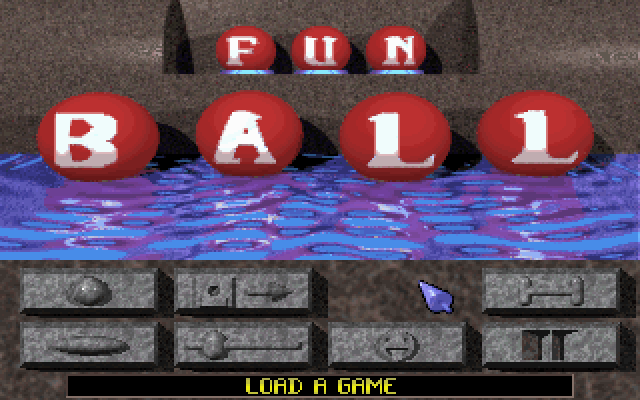
Graphically, Funball embraces a clean, minimalist aesthetic that keeps the focus squarely on strategy. The board’s grid lines are crisp and clear, while each base type is represented by intuitive icons that convey its special function at a glance. Teleport pads, spring-loaded tiles, and size-shifting zones all possess distinct visual cues, ensuring players never lose track of the action or forget the capabilities of each square.
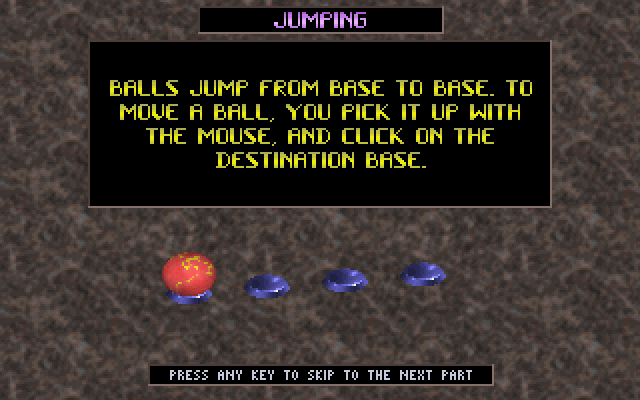
Ball models are simple spheres shaded in rich reds or greens, with size differences easily distinguishable at a glance. The smooth animations when balls glide, bounce, or teleport lend a satisfying tactile feel to every move. Even the spider is rendered with enough detail to be engaging without distracting from the core gameplay—its scuttling animations add a touch of life to the board.
While Funball doesn’t rely on flashy particle effects or photo-realistic graphics, its art direction excels in functional clarity. The color palette is balanced and easy on the eyes, preventing visual fatigue during extended matches. Custom board editor users will appreciate the straightforward editing tools and the immediate feedback they provide, allowing for quick tests of new layouts without fuss.
Story
Funball forgoes a traditional narrative in favor of pure strategic engagement, but that doesn’t mean it lacks thematic charm. The concept of rival red and green armies vying to deliver a precious orb into enemy territory offers a classic conflict motif. Each match unfolds like a miniature campaign, where every tile and every ball carries the weight of an invisible storyline of triumph or defeat.
The presence of the spider and its eggs provides a subtle environmental storytelling element: it’s as if nature itself has become a wildcard participant in this colorful war. Although there’s no overarching campaign or character progression, the emergent tales created by close matches and stunning comebacks often feel more memorable than any scripted plot.
Players who crave narrative depth may miss character development or an epic tale, but Funball’s pure-play focus ensures that each encounter becomes its own story. The shifting fortunes, unexpected base interactions, and clever traps set by opponents are storytelling moments in their own right—moments that players will recount long after the match has ended.
Overall Experience
Funball succeeds at being both accessible to newcomers and richly strategic for seasoned players. Its rules are simple to learn—move, capture, and navigate special bases—but the multiplicity of base effects and ball sizes offers nearly endless tactical possibilities. Casual gamers can enjoy quick skirmishes, while strategy aficionados will find ample depth to study and master.
The game’s pacing is well-judged: turns flow smoothly, and even complex board setups rarely bog down in analysis paralysis. Customizable boards and adjustable AI difficulty ensure high replayability, and the hotseat mode makes Funball a great choice for parties or family game nights. The spider mechanic and ball growth system inject unpredictability, keeping each play session lively and suspenseful.
If you’re looking for a modern twist on classic grid-based strategy, Funball delivers with style. It might not boast a cinematic storyline or cutting-edge graphics, but its thoughtful design, clear presentation, and engaging tactical challenges make it a standout title. Whether you’re challenging a friend across the table or testing your mettle against the CPU, Funball offers a refreshingly dynamic and brain–teasing experience.



Reviews
There are no reviews yet.