 Retro Replay Retro Replay gaming reviews, news, emulation, geek stuff and more!

Retro Replay Review
Gameplay
Galaxy puts you in the commanding seat of a fledgling starship armada, challenging you to expand from a single home world to dominate an ever-shifting cosmos. From the moment you launch your first scout ships, you’re faced with key decisions: which star systems to explore, which planets to colonize, and which enemies to subdue. Each choice carries weight, as resources are finite and every new colony requires careful management of supply lines and ship production.
(HEY YOU!! We hope you enjoy! We try not to run ads. So basically, this is a very expensive hobby running this site. Please consider joining us for updates, forums, and more. Network w/ us to make some cash or friends while retro gaming, and you can win some free retro games for posting. Okay, carry on 👍)
The turn-based structure unfolds at a steady pace, giving you time to strategize your next move without feeling rushed. With up to 20 players vying for control of 40 star systems, multiplayer sessions can become intense diplomatic and tactical dances—alliances form, betrayals sting, and surprise offensives can snatch victory from the jaws of defeat. In single-player mode, AI opponents adapt to your playstyle, ensuring that no two games feel identical.
One of Galaxy’s strongest features is its dynamic galaxy generator. Every campaign sprouts a unique constellation of stars and planets, each with distinct resource profiles and defensive capabilities. You may discover a barren rock perfect for setting up a supply depot or encounter an industrial hub bristling with defensive turrets. Scouting reports are never complete until you commit to an expedition, injecting each turn with a thrill of the unknown.
Diplomacy and warfare are both viable paths to victory. You might forge pacts and trade agreements to bolster your economy, or you could launch full-scale invasions to seize control of lucrative worlds. The balance between military conquest and economic development is finely tuned, and shifting tides of war can force you to pivot strategies mid-game. Galaxy rewards careful planning, but it also embraces bold gambits and daring plays that can redefine the galactic map in a single turn.
Graphics
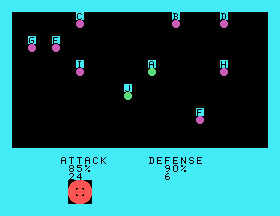
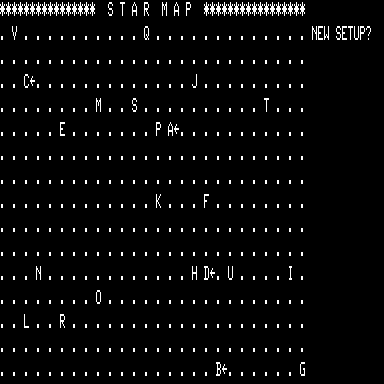
Visually, Galaxy leans into clean, functional aesthetics that prioritize readability and clarity over flashy effects. Star systems are laid out on a sprawling 2D map, with color-coded icons representing resource levels, defense strengths, and ship movements. While the interface may feel minimalistic compared to action-oriented space games, it excels at conveying large-scale strategic data at a glance.
Ship models and planet icons carry enough detail to distinguish ship classes and planetary attributes, and the UI elements are crisp and responsive. Hovering over a planet brings up succinct tooltips that list production capacity, defensive installations, and current owner—all invaluable information when planning your next colonization or assault. The lack of heavy animations means load times are minimal, keeping you immersed in the decision-making flow.
For players who enjoy a more atmospheric presentation, Galaxy does include a subtle background soundtrack and occasional space ambience during load screens. While these audio cues won’t rival AAA titles in scope, they complement the graphics by reinforcing the sense of exploring uncharted reaches of space. Visual transitions between phases—exploration, colonization, and combat—are smooth and keep the pacing brisk without sacrificing clarity.
Customization options allow you to tweak map colors and icon sizes, making it easier for color-blind players or those with visual impairments to engage fully with the game. Whether you prefer a stark black-and-white contrast or a more vivid palette, Galaxy’s graphics system is adaptable, ensuring every commander can survey the galaxy with confidence.
Story
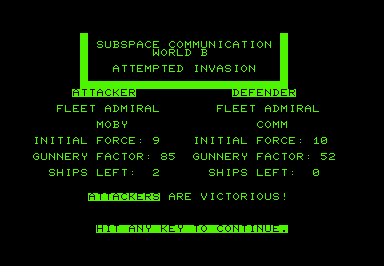
Galaxy’s narrative framework is straightforward: as Fleet Admiral, you lead an armada from your home planet to stake your claim among the stars. This premise sets the stage for emergent storytelling rather than a rigid campaign arc. Each playthrough writes its own tale of conquest, diplomacy, and discovery, driven by player actions rather than predefined cutscenes or scripted events.
The game’s lore hints at ancient civilizations and untold technologies, teased in brief textual vignettes whenever you encounter certain star types or relic artifacts. These narrative fragments add flavor to exploration, making every new world feel like a piece of a bigger cosmic puzzle. While it doesn’t deliver an epic scripted saga, Galaxy excels at letting players craft their own interstellar legends through their strategic decisions.
Multiplayer sessions often become the richest source of story, as alliances shift and players’ personalities shine through their in-game tactics. A daring midnight raid, a last-minute defensive maneuver, or an unexpected peace treaty can all make for memorable anecdotes that fuel community discussion long after the game ends. In this way, Galaxy’s story emerges organically from player interaction.
For solo players, the AI’s varied personalities—from aggressive warmongers to cautious expansionists—provide enough narrative spice to keep things engaging. As you learn the AI’s tendencies, each negotiation or engagement feels like an encounter with a distinct character, and overcoming or outwitting them gives you a sense of triumph that’s deeply personal.
Overall Experience
Galaxy delivers a robust 4X experience that balances depth, replayability, and strategic freedom. The ability to play with up to 20 competitors transforms each session into a dynamic battlefield of shifting alliances and territorial skirmishes. Whether you’re a hardcore strategist or a casual gamer looking for a grand-scale challenge, Galaxy offers a playground of tactical possibilities.
The game’s procedural galaxy generation and adaptive AI ensure that no two games ever feel the same. Combined with flexible victory conditions—military conquest, diplomatic dominance, or economic supremacy—it maintains a high replay value that encourages you to refine your approach and try new tactics in subsequent campaigns.
While Galaxy’s graphics and audio may not push the boundaries of modern hardware, they serve the game’s core strengths perfectly by keeping focus on strategy and decision-making. The clear, uncluttered interface and responsive controls let you concentrate on managing your fleets and forging your empire without distraction.
In summary, Galaxy stands out as a compelling strategic gem that offers endless replayability and emergent storytelling. Its blend of exploration, colonization, warfare, and diplomacy delivers a satisfying sense of progression and discovery. For anyone eager to command an interstellar armada and carve out their own destiny among the stars, Galaxy is a stellar investment.


Reviews
There are no reviews yet.