 Retro Replay Retro Replay gaming reviews, news, emulation, geek stuff and more!
Retro Replay Review
Gameplay
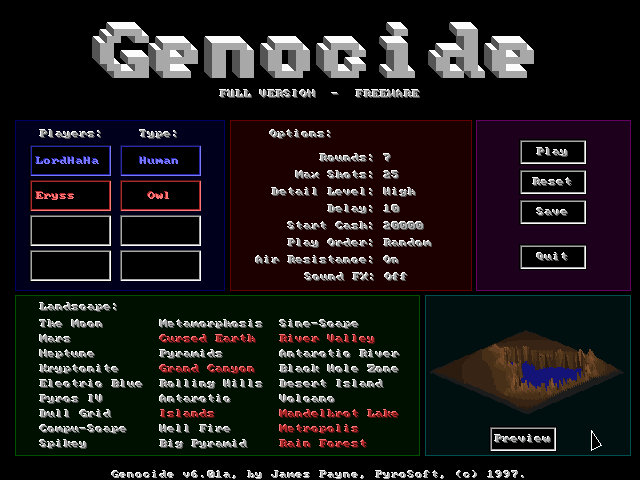
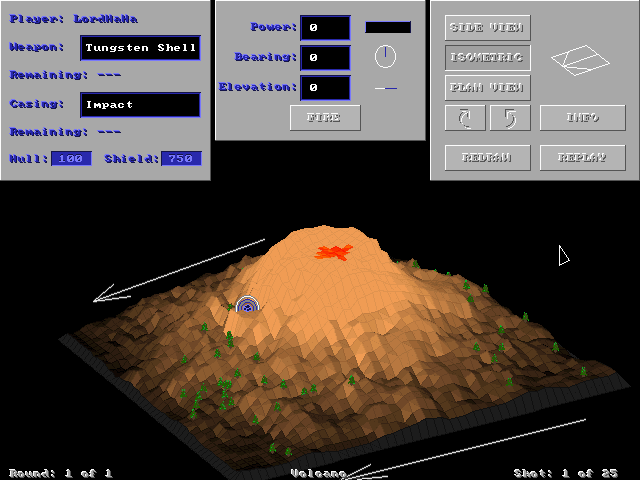
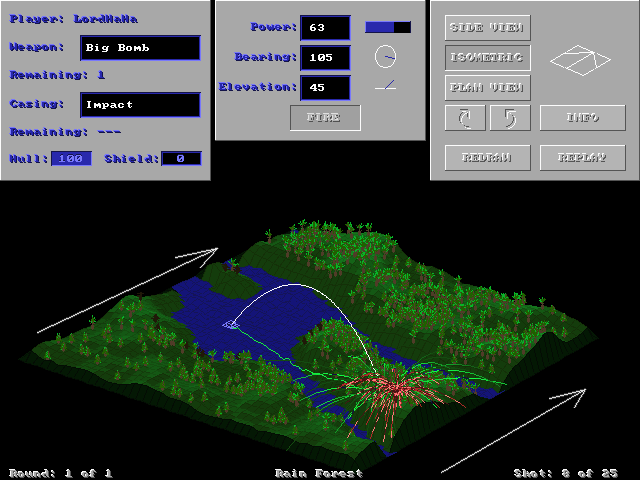
Genocide delivers a classic turn-based artillery experience reminiscent of Scorched Earth, but reimagined in fully rendered 3D. Players select from an arsenal of weapons, adjust the bearing, power, and elevation of their shots, then watch as the landscape and opponent react to each blast. This simple yet precise control scheme gives every shot significant weight—misjudge the wind or terrain angle, and you’ll see your carefully planned attack dissipate harmlessly into the air.
(HEY YOU!! We hope you enjoy! We try not to run ads. So basically, this is a very expensive hobby running this site. Please consider joining us for updates, forums, and more. Network w/ us to make some cash or friends while retro gaming, and you can win some free retro games for posting. Okay, carry on 👍)
The game’s pacing is deliberately measured: each turn invites strategic thought rather than snap reflexes. It strikes a satisfying balance between depth and accessibility, making it approachable for newcomers while still rewarding seasoned artillery tacticians. Multiplayer skirmishes shine most brightly here, whether you’re facing off against friends locally or duking it out against AI opponents with scalable difficulty levels.
Weapon variety is where Genocide truly flexes its design muscles. From basic shells and cluster bombs to exotic ordnance like napalm strikes and homing missiles, each tool demands its own tactical considerations. Experimenting with different munitions not only keeps matches fresh but also encourages creative problem-solving: maybe a high-arcing mortar shot can clear a rocky ridge, or a well-timed rocket blast can trigger a chain reaction among multiple enemies.
Graphics
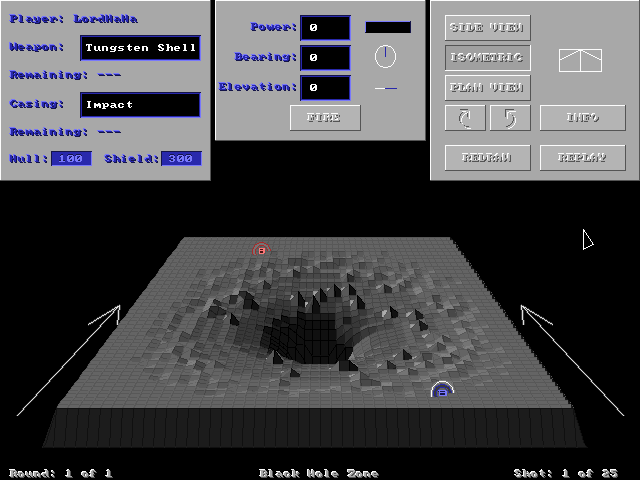
Visually, Genocide embraces a clean, angular aesthetic that highlights the 3D grid landscape without overwhelming the player. The terrain is comprised of brightly colored polygons, allowing you to discern ridges, valleys, and destructible obstacles at a glance. This clarity proves invaluable when plotting high-stakes artillery strikes.
The in-game camera controls are intuitive and responsive, offering full freedom to pan, zoom, and rotate around the battlefield. Whether you prefer a bird’s-eye strategic overview or a closer, ground-level view of an incoming shell, the fluid camera system ensures you never lose sight of the action. Occasional dynamic camera angles during explosive detonations add cinematic flair without disrupting gameplay flow.
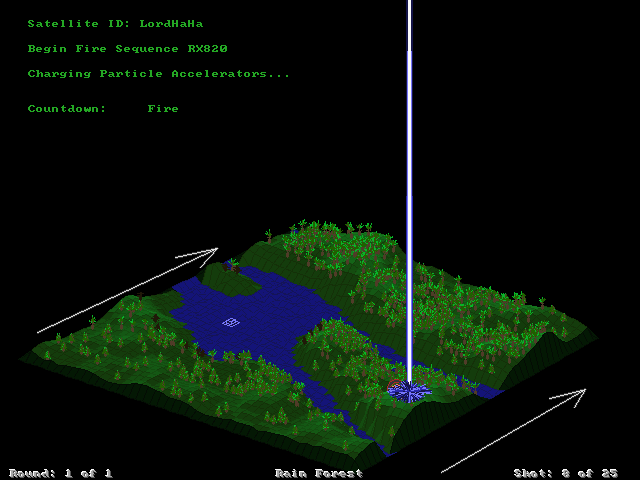
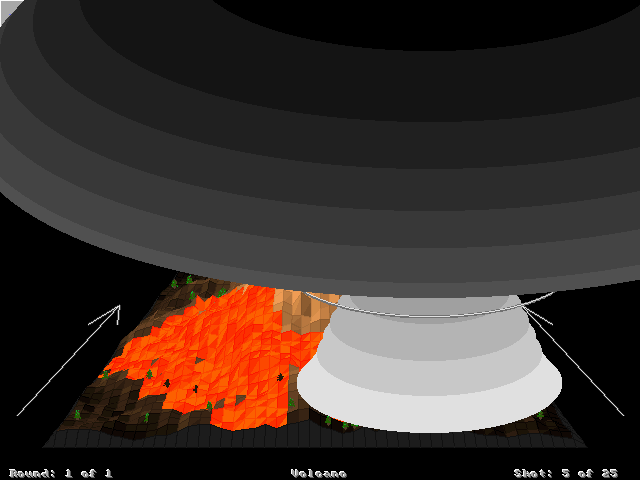
While not aiming for photorealism, Genocide’s explosion and debris effects punch well above their weight class. Smoke plumes ripple realistically, and chunks of destroyed terrain scatter convincingly across the battlefield. Even on modest hardware, frame rates remain smooth, which is critical for maintaining the game’s deliberate tactical rhythm.
Story
Genocide is unapologetically light on narrative, channeling its energy into competitive artillery warfare rather than an elaborate plot. You won’t find branching dialogue trees or sprawling cutscenes here. Instead, the “story” unfolds organically through the ebb and flow of multiplayer matches or skirmishes against the AI.
That isn’t to say it lacks character or context: the game’s minimalist presentation encourages players to project their own themes onto each battle. Friendly rivalries, underdog victories, and last-moment comebacks become the emergent narrative that keeps you invested across dozens of matches. In this sense, your most memorable stories will be authored by you and your opponents.
For players seeking a single-player campaign with lore and scripted missions, Genocide may feel sparse. However, its design philosophy prioritizes replayability and player-driven drama over linear storytelling. If you relish the idea of crafting your own battlefield sagas—complete with triumphant victories and catastrophic misfires—this game delivers in spades.
Overall Experience
Genocide stands out as a polished, engaging take on the timeless artillery genre. Its solid core mechanics, varied weapon roster, and accessible camera controls combine to create a satisfying loop that’s easy to pick up yet hard to master. Multiplayer sessions fuel its longevity, turning every match into a potential legend among friends.
There are minor drawbacks: the lack of narrative depth may leave some players craving more context, and the minimalistic art style may not appeal to those seeking lush, photo-real visuals. Yet these are deliberate trade-offs that help maintain the game’s focus on strategic combat and fast-paced skirmishes.
In the end, Genocide is a compelling choice for anyone who enjoys tactical, turn-based warfare with a friend or against AI. Its streamlined presentation, robust weapon variety, and dynamic 3D arenas ensure that no two battles ever feel quite the same. Whether you’re a longtime artillery aficionado or a newcomer curious about the genre, Genocide offers hours of explosive fun and strategic depth.


Reviews
There are no reviews yet.