 Retro Replay Retro Replay gaming reviews, news, emulation, geek stuff and more!


Retro Replay Review
Gameplay
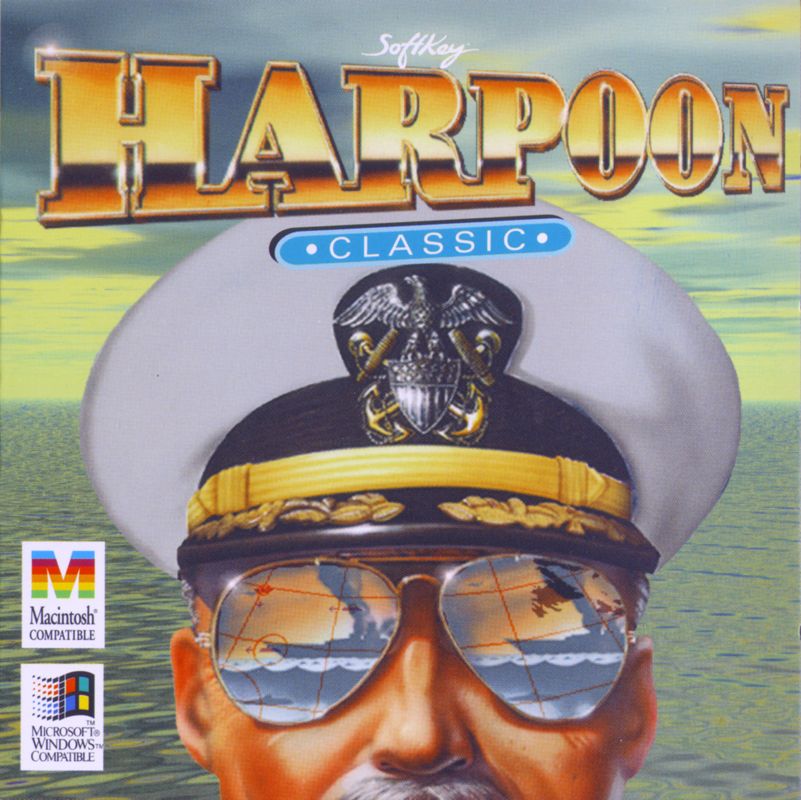
Harpoon Classic delivers one of the most intricate naval simulation experiences available on the PC, faithfully translating the depth of Larry Bond’s 1980 board game into a digital format. The core gameplay revolves around managing fleets of ships, submarines and aircraft in tense, turn-based real-time engagements. Each scenario places you in control of detailed task forces, where electronic warfare, sonar contact tracking and weapons selection play pivotal roles in determining victory or defeat.
(HEY YOU!! We hope you enjoy! We try not to run ads. So basically, this is a very expensive hobby running this site. Please consider joining us for updates, forums, and more. Network w/ us to make some cash or friends while retro gaming, and you can win some free retro games for posting. Okay, carry on 👍)
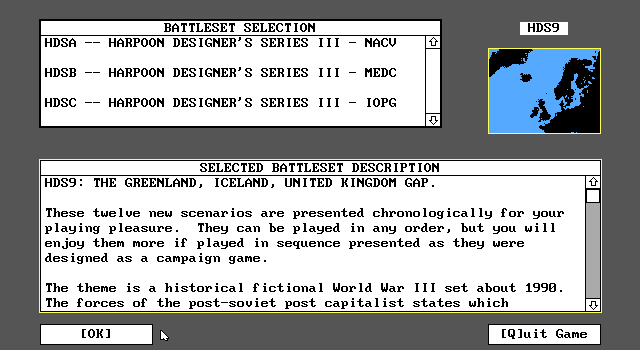
This release builds on the original material by adding three major theater battlesets—the North Atlantic, the Mediterranean and the Indian Ocean—along with three bespoke designer series battlesets for each area. The inclusion of an easy-to-use scenario editor vastly expands replayability, allowing both newcomers and veteran wargamers to craft custom engagements or tweak existing ones. With 48 new CD-ROM scenarios, you’ll be hard-pressed to exhaust the game’s offerings.
However, Harpoon Classic isn’t without its compromises. The game’s database has been meticulously updated from earlier versions, but certain live-action elements such as in-flight aircraft refueling and shipboard weapons reloads have been removed. While this streamlines play and reduces micromanagement, it also undercuts a layer of operational realism that fans of the board game may miss. Still, the challenge of orchestrating large-scale naval operations remains as compelling as ever.
Graphics
Visually, Harpoon Classic sticks to a functional, icon-driven presentation rather than flashy 3D graphics. Units are represented by clear, color-coded symbols on a grid-based map, and terrain features such as coastlines and islands are rendered with simple polygons. This austere aesthetic keeps the focus squarely on tactical decision-making, ensuring that vital information—track history, engagement ranges and weapon arcs—is always front and center.
While the base release maintains the dated appearance of its early-’90s heritage, the interface is highly configurable, allowing players to adjust symbol sizes and color schemes to suit their preferences. The scenario editor shares the same visual style, but benefits from intuitive drag-and-drop controls that simplify map creation. For those seeking improved visuals, Harpoon Classic ’97 offers enhanced icon art and refined display options, though the underlying engine remains largely unchanged.
Despite its modest graphical ambitions, Harpoon Classic’s display excels in clarity and performance. Even complex scenarios with dozens of active units render smoothly on older hardware, and the minimalistic approach helps newcomers avoid being overwhelmed. If you value precise, information-rich visuals over cinematic flair, this simulator delivers a UI that supports long planning sessions without unnecessary eye candy.
Story
As a scenario-driven simulator, Harpoon Classic foregoes a traditional narrative in favor of historical and hypothetical naval engagements. Each scenario is rooted in real-world Cold War tensions or plausible regional conflicts, ranging from NATO patrols in the North Atlantic to carrier operations crossing the Mediterranean Strait. The depth of the in-game database brings authenticity to every mission brief, drawing on the board game’s exhaustive research into equipment specifications and force compositions.
The 48 scenarios included on the CD-ROM cover a wide spectrum of tactical challenges—anti-submarine warfare in contested waters, amphibious assaults on hostile shores, and high-stakes carrier battles under threat of air and missile attack. Designer series battlesets introduce custom “what-if” situations that invite players to explore alternative outcomes, such as escalations in the Indian Ocean or surprise maneuvers in the Mediterranean littoral.
Although there is no linear “campaign” storyline, the scenario editor empowers players to string multiple engagements together, effectively crafting their own narrative arcs. Whether you choose to simulate a sequence of escalating skirmishes or design a sprawling confrontation spanning multiple theaters, the game’s framework supports a personalized story of high-seas warfare.
Overall Experience
Harpoon Classic remains a cornerstone title for naval warfare enthusiasts, offering unparalleled depth in fleet management, weapons deployment and electronic countermeasures. Its extensive scenario library and powerful editor guarantee longevity, while the updated database ensures that the order-of-battle information reflects more modern ship classes and aircraft variants.
On the flip side, the removal of in-flight refueling and weapons reloads simplifies some aspects of logistics, which may disappoint purists craving full-spectrum realism. The dated graphics and utilitarian interface also underscore the game’s age, though these elements preserve its laser focus on tactical fidelity and quick load times.
Ultimately, Harpoon Classic is best suited for dedicated wargamers who appreciate deep strategic planning and are willing to work through a steep learning curve. If you can overlook its graphical limitations and altered refueling mechanics, you’ll discover a rich simulator that stands the test of time. Those seeking a more polished visual package may prefer Harpoon Classic ’97, but for many, this original PC release remains a compelling entry point into digital naval command.

Reviews
There are no reviews yet.