 Retro Replay Retro Replay gaming reviews, news, emulation, geek stuff and more!
Retro Replay Review
Gameplay
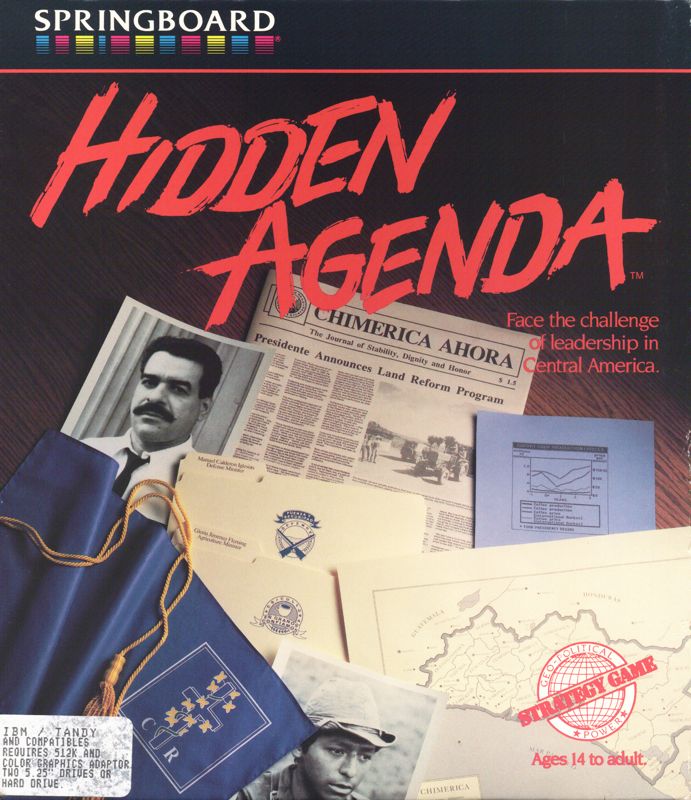
Hidden Agenda places you at the helm of Chimerica, a fictional Latin American nation teetering between progress and turmoil. Your decisions span taxation, healthcare, education, and foreign relations, each with rippling consequences that affect public approval, economic stability, and diplomatic standing. The interface guides you through policy choices with clear sliders and intuitive menus, ensuring that you always understand the trade-offs before committing to a course of action.
(HEY YOU!! We hope you enjoy! We try not to run ads. So basically, this is a very expensive hobby running this site. Please consider joining us for updates, forums, and more. Network w/ us to make some cash or friends while retro gaming, and you can win some free retro games for posting. Okay, carry on 👍)
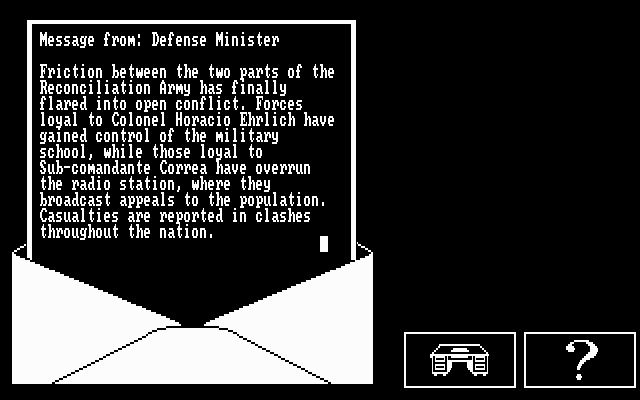
Advisors and cabinet members offer insight and warnings, but they won’t shy away from disagreements—forcing you to weigh expert opinion against the will of the people. Elections loom on the horizon, and each scandal or triumph can swing public sentiment dramatically. This creates a constant sense of tension, as you juggle short-term necessities like funding emergency relief with long-term goals such as infrastructure development.
Beyond domestic policy, Hidden Agenda introduces international events—trade offers, border incidents, and environmental crises—that demand quick thinking and strategic foresight. The game’s pacing strikes a balance between deliberation and urgency: you have enough time to analyze data charts and survey public sentiment, yet you often find yourself racing the clock to respond before unrest boils over.
Graphics
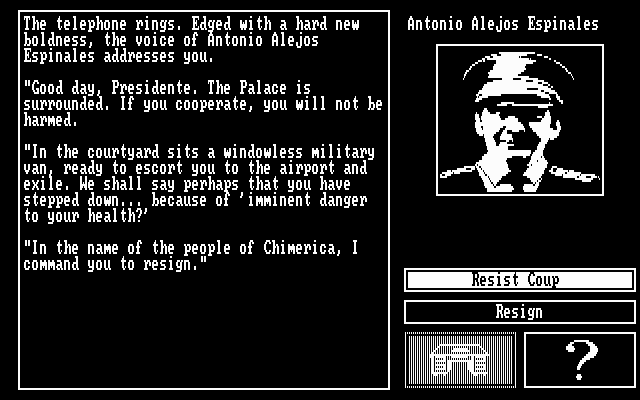
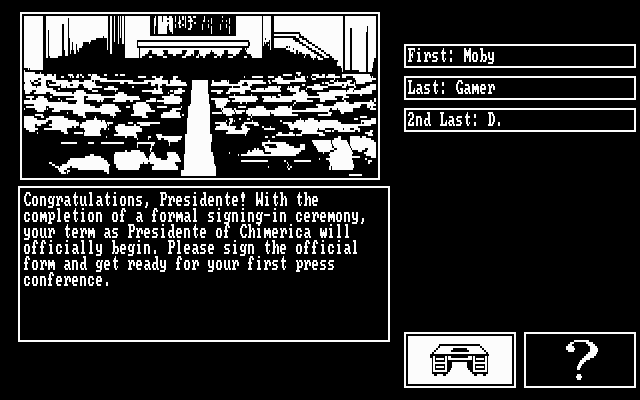
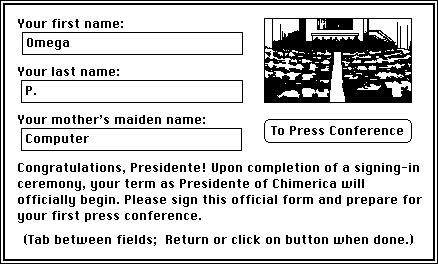
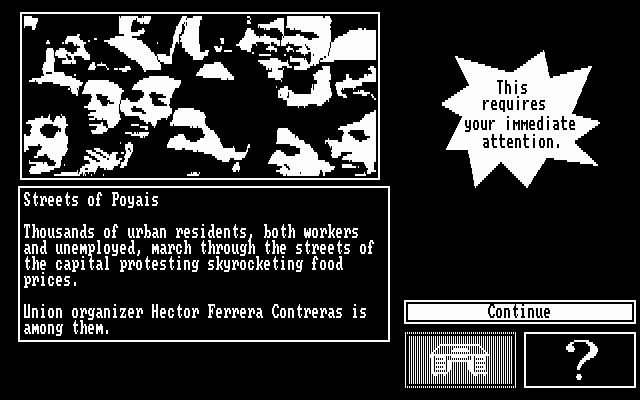
While Hidden Agenda isn’t pushing the envelope in terms of photorealism, its art style and user interface work together to create a polished, accessible presentation. Interactive maps of Chimerica break down statistics by region, using color-coded overlays that help you spot trouble areas at a glance. Portraits of your cabinet members, protesters, and foreign envoys bring personality to your advisors and rivals alike.
The game’s cutscenes are modest but effective, using a mix of stylized 2D animation and dynamic camera pans to heighten dramatic moments—such as addressing the nation after a natural disaster or negotiating a critical treaty. Environmental effects like dust-storm visuals in the rural north or rain-lashed urban streets during a financial meltdown add subtle atmosphere without distracting from the strategic core.
Performance is smooth on both PC and console platforms, with short load times between major menus and no noticeable frame drops during intensive decision-making sequences. The UI elements are crisply rendered, and each new policy unlocked or campaign material produced is accompanied by satisfying visual feedback.
Story
At its heart, Hidden Agenda offers a branching narrative shaped by your policy choices. Early chapters introduce you to Chimerica’s diverse population: from the industrious urban center of Nuevo Vista to the isolated highland communities fighting for basic infrastructure. Personal stories—such as a teacher’s uprising over underpaid staff or a miner’s call for environmental protections—ground your political maneuvers in human stakes.
As president, you face moral quandaries that challenge your principles: Do you grant immunity to a corrupt official to secure vital foreign investment? Can you risk civil disobedience protests by imposing austerity measures? The game doesn’t shy away from gray areas, and you’ll often find that there is no universally “right” decision—only trade-offs that satisfy one group at the expense of another.
Multiple endings reflect the highs and lows of your tenure: from a legacy of peace accords and educational reform to a nation fractured by protests and economic collapse. Replayability is high, as even minor adjustments in tax rates or diplomatic stances can carve a drastically different path for Chimerica and its citizens.
Overall Experience
Hidden Agenda delivers an absorbing blend of strategy, role-playing, and narrative-driven simulation. The weight of each decision keeps you invested from the inaugural cabinet meeting to the closing credits, and the branching outcomes encourage experimentation with divergent leadership styles. Whether you lean toward populism, technocracy, or a balanced middle path, the game adapts to your vision of governance.
Newcomers to political sims will appreciate the clear tutorials and progressive difficulty curve, while veterans can dive into advanced scenarios and mod support that introduce fresh challenges—like climate emergencies or regional insurgencies. The learning curve is well-paced, allowing you to master core mechanics before unveiling more complex diplomatic machinations.
Ultimately, Hidden Agenda stands out as a meaningful simulation that sparks critical thinking about leadership, responsibility, and nation-building. Its blend of accessible gameplay, impactful storytelling, and thoughtful presentation makes it a compelling purchase for anyone intrigued by political strategy and the art of decision-making under pressure.


Reviews
There are no reviews yet.