 Retro Replay Retro Replay gaming reviews, news, emulation, geek stuff and more!
Retro Replay Review
Gameplay
Last Half of Darkness III represents a noticeable evolution in the series’ gameplay mechanics. Moving away from the rigid verb-based command system of its predecessors, the game adopts a streamlined point-and-click interface that feels intuitive even to players new to classic adventure titles. Instead of selecting separate “look,” “use,” or “combine” verbs, you simply click on objects and hotspots to examine, pick up, or interact with them. This change makes inventory management more fluid and allows you to focus on puzzle-solving rather than menu navigation.
(HEY YOU!! We hope you enjoy! We try not to run ads. So basically, this is a very expensive hobby running this site. Please consider joining us for updates, forums, and more. Network w/ us to make some cash or friends while retro gaming, and you can win some free retro games for posting. Okay, carry on 👍)
Another significant addition is the introduction of a life bar for the protagonist. Where earlier installments often punished exploratory mistakes with instant death, LHoD III lets you absorb a few hits from environmental traps or seemingly hostile undead before you’re forced to restart. This health mechanic strikes a good balance: it keeps tension high when you wander into a dark corridor or disturb a crypt, yet it spares you from overly punishing trial-and-error deaths that can break immersion.
The game’s structure is more open-ended than before, encouraging non-linear exploration of the island. You’ll find branching pathways that lead to crypts, abandoned lodges, and mossy ruins, each offering clues or items essential to progress. Puzzles range from inventory-based conundrums—such as finding the right tool to pry open a sealed chest—to light environmental riddles like aligning statues to unlock hidden passages. Though a handful of solutions can feel a bit obscure, the increased freedom to revisit areas and experiment reduces frustration compared to its predecessors.
Graphics
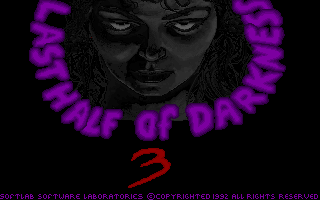
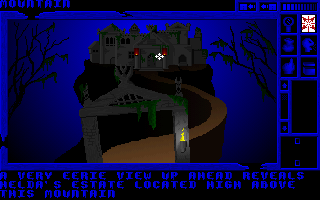
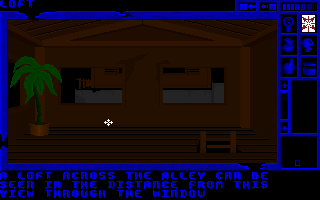
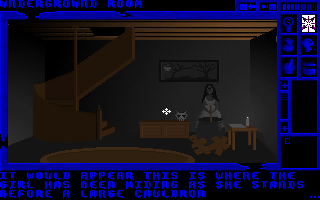
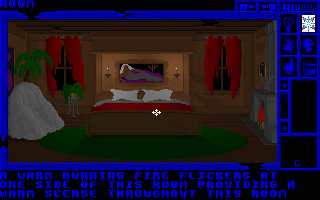
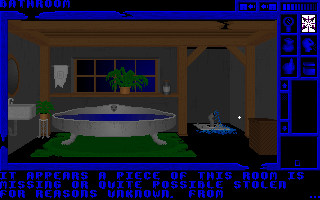
Graphically, Last Half of Darkness III stays true to the moody, gothic aesthetic that defines the series, yet it refines it with sharper backgrounds and more atmospheric lighting. The island’s crumbling mausoleums, dank catacombs, and twisted forests are rendered in dark, muted tones that convey both isolation and creeping dread. Occasional color accents—like the flicker of a lantern or the glow of phosphorescent moss—pop against the gloom, drawing your eye to critical details.
Character and creature designs are deliberately understated. The undead inhabitants you encounter are more spectral than overtly violent: gaunt figures with hollow eyes who drift through corridors rather than charge at you. Their animations are simple but effective, lending a ghostly quality that enhances suspense without resorting to jump-scare theatrics. Subtle effects—such as mist curling along the ground or the creak of ancient floorboards—round out the experience.
While the graphics may feel dated compared to modern high-definition adventures, they possess a nostalgic charm for fans of 1990s point-and-click horror. Screen transitions are swift, and load times rarely interrupt the mood. Overall, the visual presentation complements the game’s tone, inviting you to piece together its unsettling mysteries at a measured pace.
Story
The narrative of Last Half of Darkness III picks up directly after the events of Part II. Your hero, having rescued his companion, finds himself mysteriously stranded on an eerie island teeming with the walking dead. Unlike traditional zombie fare, these undead creatures exude more melancholy than malice, their roving presence hinting at a deeper, tragic backstory that unfolds gradually through exploration.
The central objective—locating the girl you saved in previous chapters—provides clear motivation, but much of the tale is revealed through environmental storytelling. You’ll unearth cryptic journals, faded letters, and crypt door inscriptions that piece together the island’s cursed history and the fate of its former inhabitants. The sparse dialogue and minimal character modeling keep the focus squarely on the island and its lingering shadows.
Pacing is deliberate and often unnerving. Early sections introduce simple tasks—lighting torches, opening gates—while later sequences escalate with more complex puzzles and tense backtracking as your health bar depletes. Though the plot occasionally dips into clichés (an isolated locale, a damsel in distress), the setting’s oppressive mood and the unanswered questions about the undead’s origins maintain engagement. Fans of low-key horror will appreciate the slow-build tension and the game’s commitment to letting the environment tell most of its story.
Overall Experience
Last Half of Darkness III offers a solid, if somewhat niche, adventure for aficionados of classic point-and-click horror. Its updated interface and forgiving health system make it more accessible than earlier entries, yet it retains the brooding atmosphere and cerebral puzzles that longtime fans have come to expect. The island’s open layout encourages curiosity and rewards thorough exploration.
Certain puzzles can be tricky without taking notes, and the occasionally cryptic clues may frustrate players accustomed to hand-holding modern titles. However, the reward for persistence is genuine: unlocking hidden mausoleums or piecing together the diary of a long-dead scholar provides satisfying “aha” moments. The balance between health management, environmental hazards, and inventory challenges keeps gameplay fresh throughout the typical 8–10 hour playthrough.
In the end, Last Half of Darkness III stands as a worthy continuation of the series. It modernizes core mechanics without losing the eerie charm of its forebears, delivering a moody island mystery that unfolds at its own deliberate pace. If you relish atmospheric puzzle adventures and don’t mind a few trial-and-error moments, this installment is well worth exploring.



Reviews
There are no reviews yet.