 Retro Replay Retro Replay gaming reviews, news, emulation, geek stuff and more!


Retro Replay Review
Gameplay
Mad TV 2 puts you firmly in the director’s chair of your very own television network, giving you full control over programming, personnel, and advertising. The sequel expands on the original’s foundation by introducing more detailed scheduling mechanics, a wider roster of shows, and a deeper financial system. You’ll find yourself balancing viewer demographics with ad revenue, constantly tweaking your lineup to outbid rivals and secure the highest-rated time slots.
(HEY YOU!! We hope you enjoy! We try not to run ads. So basically, this is a very expensive hobby running this site. Please consider joining us for updates, forums, and more. Network w/ us to make some cash or friends while retro gaming, and you can win some free retro games for posting. Okay, carry on 👍)
The heart of the experience lies in juggling multiple tasks at once. You hire and train staff—from hosts and producers to camera operators—each with unique skills and salary demands. As your reputation grows, you unlock more elaborate production gear and special events, but you’ll also face stiffer competition from AI-controlled stations. This push and pull creates a satisfying learning curve: early missteps in overspending on hype or neglecting talent can quickly send your profits into the red.
What sets Mad TV 2 apart is its tongue-in-cheek approach to the TV business. Periodic “news flash” interruptions and on-air disasters—like a host going off-script or a last-minute commercial bomb—keep the simulation lively. These scripted scenarios encourage adaptive play, forcing you to consider backup plans for your A-list programs. Overall, the gameplay loop is both strategic and delightfully unpredictable, making every playthrough feel fresh.
Graphics
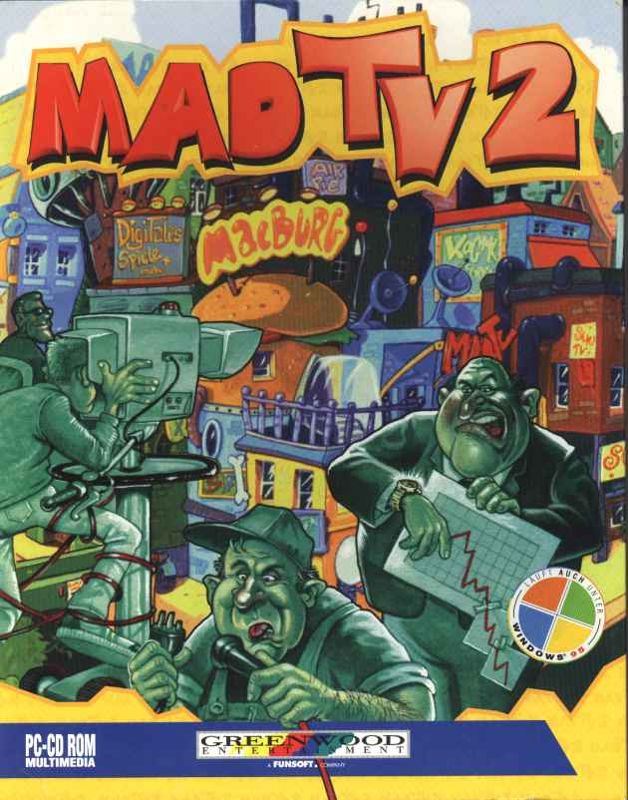
The game’s cartoonish visuals are where Mad TV 2 really shines. Characters, sets, and advertisements all sport bold outlines and exaggerated expressions, perfectly matching the light-hearted tone of the simulation. While the resolution and color palette feel dated by modern standards, there’s a certain charm in the hand-drawn look that keeps the screen fun to watch, even during long planning sessions.
Animation is minimal but effective. You’ll see your shows go live with simple cutaways to pixel-art studio sets, and occasional animated bumps between programs add visual flair. The user interface is clean: icons for shows, ads, and staff are easily distinguishable, letting you make scheduling changes at a glance. Although some menus can feel cluttered as your station grows, the overall design still leans toward usability over unnecessary flashiness.
Sound design complements the visuals with quirky jingles and voice clips that play during key events—like a successful ad buy or a rival station’s sabotage attempt. Background music consists of catchy, upbeat tunes that maintain a playful atmosphere without becoming repetitive. If you appreciate retro graphics and a cohesive art style that doesn’t take itself too seriously, Mad TV 2’s presentation will draw you in from the start.
Story
Unlike narrative-driven titles, Mad TV 2 weaves its “story” through simulated TV seasons, ratings battles, and the personalities you hire. There’s no central protagonist or cinematic cutscene sequence; instead, the plot unfolds dynamically as you climb the broadcast ladder. Each scheduling success or on-air meltdown builds your station’s reputation and shapes the competitive landscape.
Characters in the game—your hosts, producers, and advertisers—don’t have deep backstories, but they do exhibit distinct quirks that influence gameplay. A diva host might demand a higher salary but draw massive audiences, while a green producer could need extra training before running a prime-time show. These interactions add a light narrative thread, making every decision feel like part of an ongoing soap opera of ratings warfare.
Seasonal events, such as award ceremonies or special sporting broadcasts, function as story milestones. Winning a coveted “Broadcast Excellence” award can boost your viewer share overnight, whereas a failed live special might tank your momentum. This event-driven structure keeps the simulation from ever feeling static, and it gives you small narrative victories to chase throughout your campaign.
Overall Experience
Mad TV 2 offers a robust management simulation with a playful twist on the TV industry. Its blend of strategic scheduling, staff management, and comedic interruptions keeps the core gameplay engaging over long sessions. While the technical presentation is rooted in early-’90s PC gaming, the cartoonish art style and upbeat audio help the title age gracefully.
If you’re a fan of business sims who enjoy micromanaging budgets and personnel, Mad TV 2 will scratch that strategic itch. Casual players might find the learning curve a bit steep at first, especially when faced with simultaneous deadlines and cash flow challenges. However, a few hours in, you’ll discover the addictive satisfaction of watching your station climb to the top of the ratings charts.
Ultimately, Mad TV 2 stands out for its humorous take on an otherwise serious genre. Its lack of a linear storyline is more than made up for by emergent narratives created through your decisions and the game’s unpredictable events. For players seeking a retro management title with personality and depth, this sequel remains a worthwhile investment.


Reviews
There are no reviews yet.