 Retro Replay Retro Replay gaming reviews, news, emulation, geek stuff and more!


Retro Replay Review
Gameplay
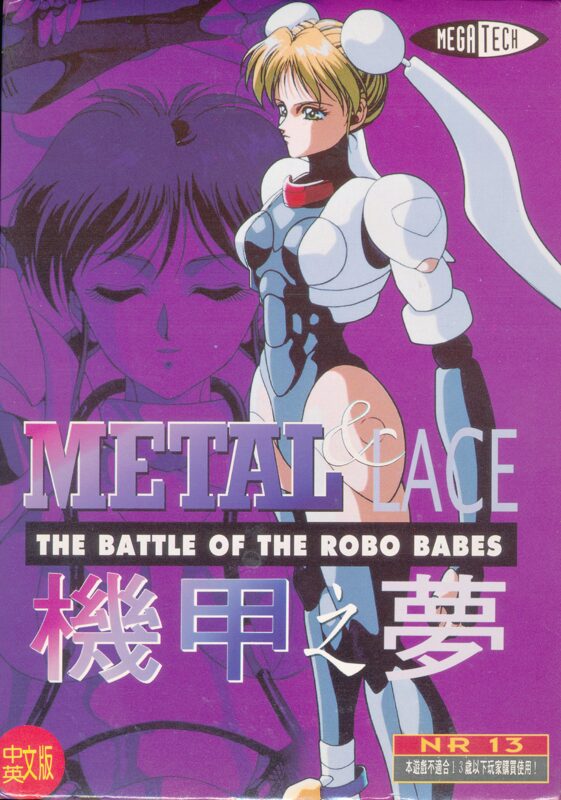
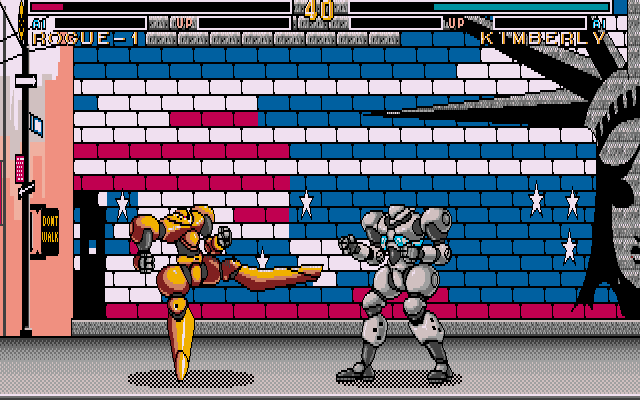
Metal & Lace: The Battle of the Robo Babes places you directly into MeCha Island’s futuristic underground fighting circuit with a modest bankroll of $5,000. From the opening match, the controls feel tight and responsive, allowing you to chain together light and heavy attacks, aerial maneuvers, and defensive blocks with satisfying precision. Each robo-mannequin you pilot offers distinct attributes—strengthy bruisers can withstand heavy punishment, while nimble frames excel at hit-and-run tactics. This variety encourages experimentation and keeps each bout fresh.
(HEY YOU!! We hope you enjoy! We try not to run ads. So basically, this is a very expensive hobby running this site. Please consider joining us for updates, forums, and more. Network w/ us to make some cash or friends while retro gaming, and you can win some free retro games for posting. Okay, carry on 👍)
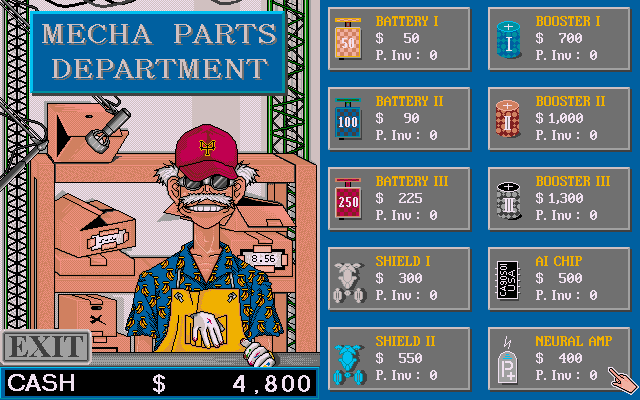
The progression system balances arcade-style immediacy with light RPG progression. Between fights, you can visit island shops to purchase upgrades—new weapons, reinforced armor plating, or speed-boosting servos. Managing your cash becomes a strategic decision: invest in incremental stat boosts or save up for a game-changing component that could turn the tide in a championship bout. The tension of budgeting resources adds a layer of depth to what might otherwise be a straightforward fighting game.
Beneath its flashy exterior, the tournament ladder reveals branching paths and hidden matches. Victories unlock secret arenas and elite opponents, each with unique AI patterns that force you to adapt your playstyle. Whether you’re facing a hulking mech with ground-pounding moves or a swift assassin-drone that darts around you, the balance between offense and defense remains engaging throughout. Frequent rematches and optional challenges also pad the playtime, inviting completionists to test every build and discover all the mech variants.
Graphics
Visually, Metal & Lace leans hard into its anime-inspired roots, delivering vibrant character portraits, fluid 2D animations, and punchy special-effects bursts. Every mech-on-mech collision produces sparks, electrical arcs, and camera shakes that emphasize impact. Background arenas range from neon-soaked coliseums to tropical beach stadiums, each rendered with eye-catching detail and subtle animated flourishes like waving flags or cheering spectators.
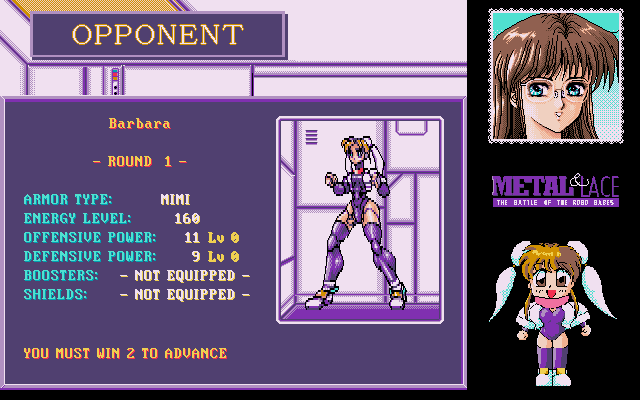
The character design stands out for its dual aesthetic: both alluring and mechanical. Each robo-lady sports intricately detailed armor plates, hydraulic joints, and glowing energy cores, while retaining expressive facial animations that convey pain, triumph, or surprise during battle. These moments are often punctuated by short victory or defeat stills that double as collectible images, providing an extra incentive to unlock every costume color scheme and character variant.
Performance-wise, the game runs smoothly on modern hardware, maintaining a stable frame rate even when both fighters unleash flashy special moves. Load times between rounds are minimal, preserving the arcade-like rhythm of match after match. Occasional texture pop-in can occur if you rapidly switch camera angles, but these fleeting hiccups do little to undermine the overall visual polish.
Story
At first glance, the narrative premise of MeCha Island appears to be a thin veneer—an excuse to pit beautiful robo-women against each other in erotic exhibition matches. However, as you climb the ranks, a deeper conspiracy begins to unfold. Cryptic dialogue snippets hint at a shadow organization pulling the strings behind the tournament, and the island’s true purpose emerges piece by piece through post-fight cutscenes and hidden files.
Character interactions add emotional weight to the plot. Between fights, reluctant alliances form, rivalries intensify, and personal motivations come to light. Some contestants harbor unfinished business related to the island’s unknown benefactors, while others simply seek fame and fortune. This variety of backstories keeps the narrative engaging and provides context for why each mech fighter is driven to risk everything in the ring.
Although the story never eclipses the core fighting mechanics, it successfully weaves intrigue and world-building into paced intervals. Key revelations—like the origin of MeCha Island’s experimental power source—drop just as you’re starting to feel familiar with the roster, reigniting curiosity about what lies ahead. For players who enjoy unlocking lore segments, the scattered in-game documents and optional boss dialogues add meaningful depth.
Overall Experience
Metal & Lace: The Battle of the Robo Babes delivers a uniquely stylized fighting game that merges anime aesthetics with solid mechanical depth. Its blend of tight controls, diverse mech builds, and upgradeable gear systems keeps you invested through dozens of matches. The unlockable erotic imagery serves as both a quirky reward and a nostalgic callback to arcade-era incentives, though it never overshadows the core action.
The balance between accessible pick-up-and-play appeal and underlying strategic nuance makes this title suitable for both casual fighters and dedicated genre fans. Replay modes, secret boss encounters, and multiple endings encourage multiple playthroughs, while the story’s gradual revelations ensure you stay hooked long after the initial novelty wears off.
Whether you’re enticed by the futuristic spectacle, the challenging AI opponents, or the intriguing backstory of MeCha Island, Metal & Lace offers a memorable experience. Its polished presentation and replay value stand out in a crowded fighting game landscape, making it a compelling choice for players seeking a fresh spin on mech combat and anime-inspired flair.


Reviews
There are no reviews yet.