 Retro Replay Retro Replay gaming reviews, news, emulation, geek stuff and more!




Retro Replay Review
Gameplay
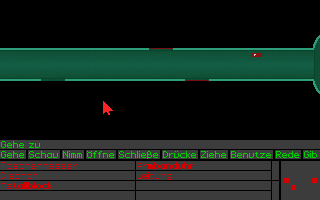
Mission Supernova embraces the classic point & click adventure formula with a verb-based interface that veteran players will recognize from early LucasArts titles such as Zak McKracken and Maniac Mansion. You click on verbs like “Open,” “Use,” or “Talk” and then select objects or characters in the scene to trigger actions. This straightforward system makes the game approachable, yet it still hides plenty of brain-teasing puzzles that force you to think creatively about how to combine inventory items and manipulate your surroundings.
(HEY YOU!! We hope you enjoy! We try not to run ads. So basically, this is a very expensive hobby running this site. Please consider joining us for updates, forums, and more. Network w/ us to make some cash or friends while retro gaming, and you can win some free retro games for posting. Okay, carry on 👍)
Exploration is at the heart of the experience. As Horst Hummel, the spaceship’s chef de cuisine, you move through static, single-screen rooms, inspecting every corner for useful tools, strange devices, or clues. While the character himself never appears on screen—much like in Myst—you can interact with objects anywhere in the room without manually moving your avatar. This design choice keeps the focus on puzzle-solving rather than navigation, streamlining the gameplay and keeping you immersed in the mystery of why the crew has vanished.
Adding tension are timed sequences and the very real possibility of dying or getting irretrievably stuck if you miss a crucial item or make the wrong decision in dialogue. Conversations with occasional survivors or automated systems require choosing the right lines from a menu of options, and less-than-ideal responses can close off paths or trigger unwelcome outcomes. You’ll find yourself saving often, eager to revisit tricky spots until you discover the precise combination of actions that will move you forward.
Graphics
The visual presentation of Mission Supernova is emblematic of early ’90s shareware adventures. Rooms are rendered as static, richly detailed 2D backdrops with an emphasis on color and thematic consistency. While the lack of scrolling might feel limiting compared to more modern adventures, each screen is thoughtfully composed, with hotspots cleverly integrated into the scenery so that attentive players must scour every pixel to find hidden items.
Despite the game’s modest technology, the art direction gives each area a distinctive atmosphere—from the sleek, metallic corridors of the ship’s engine room to the more cluttered, slightly chaotic layout of the galley kitchen. Interactive objects are highlighted subtly, ensuring a degree of challenge without resorting to flashing icons or overt markers. This visual restraint contributes to the game’s sense of isolation and quiet tension, underscoring the eerie emptiness aboard the supernova-class vessel.
Character portraits and dialogue windows are simple but effective, with clear, legible German text that blends seamlessly into the interface. If you’re a fan of retro pixel art or curious about the evolution of adventure game visuals, Mission Supernova offers a charming snapshot of shareware-era aesthetics—you won’t find high-resolution textures, but what’s here has genuine period appeal and a surprising level of polish for a freeware title.
Story
Mission Supernova casts you as Horst Hummel, the unflappable chef charged with feeding a starship’s crew—a low-stakes gig in ordinary times. That all changes the morning you wake up alone and discover the entire crew has inexplicably vanished. Suddenly, your mundane kitchen duties morph into a race against time to unravel a sinister conspiracy lurking within the vessel’s depths.
Rather than relying on cutscenes or lengthy exposition, the narrative unfolds organically through environmental storytelling and brief exchanges with automated ship systems or hidden survivors. You piece together hints from scatterings of logs, cryptic computer terminals, and overheard radio chatter, gradually uncovering layers of corporate intrigue, sabotage, and perhaps something even more extraterrestrial in origin.
The game is delivered in two episodes—the first available as a free download, the second originally offered through a shareware registration. This episodic structure not only provides a natural breakpoint for reflection and strategy–planning but also builds anticipation: the stakes escalate significantly when you move from merely solving kitchen-related conundrums to confronting the core enigma behind the crew’s disappearance.
Overall Experience
Mission Supernova is a delightful throwback for fans of classic point & click adventures. Its tight puzzles, immersive static scenes, and old-school verb interface create an experience that feels both nostalgic and refreshing in today’s landscape of action-heavy titles. If you appreciate games that demand observation, patience, and a willingness to experiment with every inventory item, this one will satisfy you to the last byte.
Keep in mind that the entire game is in German, including all text and dialogue. While this adds authenticity to its shareware origins, non-German speakers may need a translation guide or a bit of trial-and-error to progress. Fortunately, community-made guides and walkthroughs are available online, ensuring you won’t be blocked indefinitely by language hurdles.
Best of all, both episodes of Mission Supernova are now free to download, making it an incredibly low-risk adventure. Whether you’re revisiting a nostalgic era of PC gaming or discovering the charm of verb-driven puzzles for the first time, Horst Hummel’s culinary quest through the void offers plenty of intrigue, challenge, and retro appeal to keep you engaged from liftoff to finale.


Reviews
There are no reviews yet.