 Retro Replay Retro Replay gaming reviews, news, emulation, geek stuff and more!
Retro Replay Review
Gameplay
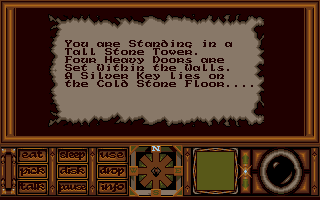
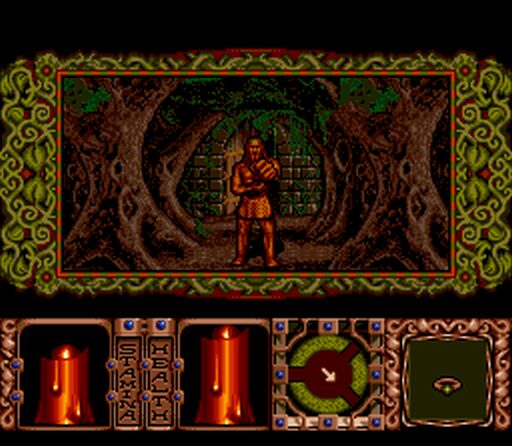
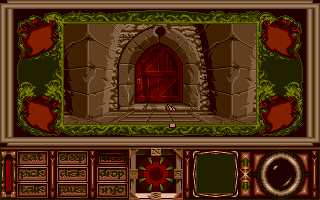
Obitus offers a compelling blend of role-playing and action elements, placing players directly in the boots of Wil Mason, a medieval history lecturer lost in the land of Middlemere. The game’s exploration segments draw inspiration from classic dungeon crawlers like Dungeon Master and Eye of the Beholder, but with a twist: instead of four fixed viewing angles, Obitus supports eight directions and smooth scrolling. As you rotate or advance, the world slides fluidly across the screen, creating a surprisingly immersive 3D effect for its era.
(HEY YOU!! We hope you enjoy! We try not to run ads. So basically, this is a very expensive hobby running this site. Please consider joining us for updates, forums, and more. Network w/ us to make some cash or friends while retro gaming, and you can win some free retro games for posting. Okay, carry on 👍)
Beyond the dungeons, Obitus introduces side-scrolling combat arenas where you’ll fend off goblins, skeletons, and other creatures using your bow and sword. These action sequences demand quick reflexes and careful positioning—arrows fly in from all sides, and timing your shots or blocks can mean the difference between progressing and a quick return to your last save point. While initially jarring compared to the measured pace of the maze-like corridors, these sections inject adrenaline and variety into the overall experience.
Later in the adventure, you’ll explore castles with an expanded four-directional movement system, straddling the line between the first-person exploration and side-scrolling battles. This format lets you peek around corners in the castle’s great halls and stairwells, introducing environmental hazards such as trapdoors and collapsing floors. Inventory management and puzzle solving—like retrieving keys and deciphering runes—add further strategic depth, ensuring that Obitus challenges both your wits and your dexterity.
Graphics
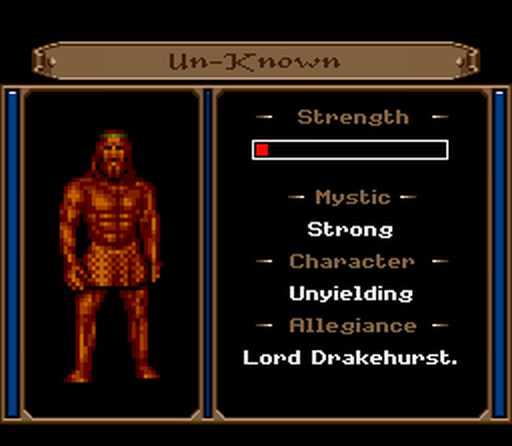
Obitus’s visual presentation stands out for its era, combining hand-drawn 2D sprites with a smooth-scrolling engine that gives a genuine impression of depth. Dungeon walls are textured with mossy stonework, while torchlight flickers realistically, casting dynamic shadows that heighten the sense of foreboding. Character portraits and enemy designs are distinct and well-animated, lending personality to each foe you encounter.
In the side-scrolling sections, backgrounds shift seamlessly as your party moves across battlements or forest clearings. Arrows arc naturally, and enemy projectiles leave visible trails—a small detail that helps you track flying threats. The color palette leans toward earthy browns and muted greens, reinforcing the medieval fantasy setting, yet occasional bursts of red and gold in royal chambers remind you of the four warring brothers vying for the throne of Middlemere.
On platforms capable of higher resolutions—such as later DOS ports—the artwork appears crisper, and loading times between areas are minimal, preserving the game’s immersive flow. While the frame rate may dip slightly during intense combat on less powerful machines, overall performance remains solid, making Obitus visually impressive even by modern retro-gaming standards.
Story
The narrative hook centers on Wil Mason, a modern-day history lecturer inexplicably transported to Middlemere, a realm torn apart by the ambitions of four rival princes. Tasked with uncovering the secret behind his summoning—and finding a way home—Wil must navigate shifting alliances, ancient prophecies, and labyrinthine dungeons. The premise cleverly weaves his academic background into puzzle-solving scenarios, such as translating medieval inscriptions or identifying historically accurate artifacts.
Throughout your journey, you encounter a colorful cast of NPCs, from scheming court advisors to humble blacksmiths. Dialogue is concise but informative, offering hints about where to search next or which brother might hold the key to your return. Although the voice acting is entirely text-based, well-written flavor text and occasional journal entries help build tension and deepen the mystery surrounding Middlemere’s fractured monarchy.
Plot pacing in Obitus is generally strong: each new area reveals a fresh piece of the overarching puzzle without dragging on for too long. Side quests—like rescuing kidnapped villagers or recovering lost relics—provide optional lore expansion, rewarding thorough exploration. By the time you confront the princes and unravel the portal’s secrets, you’ll feel invested in Wil’s fate and the future of Middlemere.
Overall Experience
Obitus stands as a noteworthy relic of early ’90s RPG design, successfully marrying methodical dungeon crawling with brisk, action-oriented set pieces. The smooth-scrolling engine and multi-directional movement lend an uncommon sense of realism to what might otherwise feel like a static grid, while the side-scrolling battles break up potential monotony and keep players on their toes.
Despite occasional clunky inventory screens and a learning curve for mastering both exploration and combat modes, the game strikes a satisfying balance. Puzzle elements complement the narrative premise, and the world of Middlemere comes alive through atmospheric graphics and engaging NPC interactions. Technical limitations of the time—such as the absence of auto-mapping—can feel dated today, but they also encourage careful note-taking and a genuine sense of discovery.
For fans of retro RPGs and dungeon crawlers, Obitus offers a unique twist that still holds up in bedroom-corner flashback sessions. Its blend of story, exploration, and action makes it a memorable journey for anyone willing to step into Wil Mason’s shoes. Whether you’re charting winding corridors or loosing arrows at charging orcs, Obitus delivers an old-school adventure with surprising depth and replayability.


Reviews
There are no reviews yet.