 Retro Replay Retro Replay gaming reviews, news, emulation, geek stuff and more!


Retro Replay Review
Gameplay
PHM Pegasus masterfully blends detailed naval simulation mechanics with pulse-pounding action sequences. As the captain of a hydrofoil missile boat, players must balance the nuance of ship handling—such as adjusting speed, navigation, and targeting systems—with the intensity of real-time combat. The controls are surprisingly accessible, allowing newcomers to quickly learn how to steer the hydrofoil while veteran simulation fans can dive deeper into fine-tuning weapons systems and defensive measures.
(HEY YOU!! We hope you enjoy! We try not to run ads. So basically, this is a very expensive hobby running this site. Please consider joining us for updates, forums, and more. Network w/ us to make some cash or friends while retro gaming, and you can win some free retro games for posting. Okay, carry on 👍)
The mission variety keeps each engagement fresh and challenging. Whether you’re tasked with eliminating all enemy vessels in a designated zone, conducting stealthy surveillance missions without firing a shot, or escorting vulnerable supply ships through treacherous waters, PHM Pegasus delivers a broad spectrum of objectives. This diversity ensures that no two missions feel alike, and the ability to tackle them in any order gives players freedom to chart their own career path.
A particularly innovative feature is the time compression mode, which lets you accelerate downtime during long transits and dial back to real-time when combat intensifies. This not only respects players’ time but also raises the stakes during engagements, as enemy ships can appear on-screen with little warning. Supplementing your hydrofoil are occasional opportunities to pilot helicopters and support vessels, adding fresh perspectives and tactical layers to the core gameplay loop.
Graphics
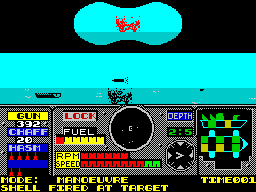
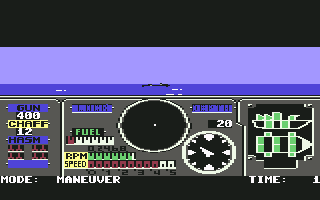
Though PHM Pegasus doesn’t push the boundaries of modern visuals, its art style is clean and highly functional for a naval simulation. The water effects—complete with realistic wave patterns and dynamic wakes—enhance immersion, making high-speed hydrofoil maneuvers genuinely thrilling. Ship and helicopter models are crisp, with easily discernible weapon systems and hull details that help identify friend from foe at a glance.
Lighting and weather conditions play a crucial role in the game’s presentation. Sunlit days offer sparkling seas and crisp shadows, while overcast missions shroud the environment in muted tones, heightening the tension during stealth runs. Night operations, though visually more challenging, reward careful instrumentation use and strategic planning, reinforcing the simulation’s emphasis on situational awareness.
The user interface strikes a fine balance between authenticity and accessibility. Tactical maps, radar screens, and targeting reticles are clearly laid out, allowing you to toggle between displays without fuss. While aficionados might wish for even deeper customization, the current HUD provides all the essential information needed for mission success without overwhelming newcomers.
Story
PHM Pegasus opts for a mission-driven narrative rather than a continuous storyline. Each assignment is framed as part of a larger naval campaign, with briefing screens that outline objectives, enemy capabilities, and environmental hazards. This episodic structure lends itself well to the feeling of climbing the ranks—from humble deck mopper to the lofty heights of admiral—based solely on merit and performance.
Rank progression serves as the game’s primary connective tissue. As you earn points from successful missions—whether through flawless enemy eradication, discreet reconnaissance, or safe convoy escorts—you unlock new accolades and titles. This career advancement model injects a sense of purpose into each mission, ensuring that even routine patrols feel meaningful in the context of your overall rise through the fleet hierarchy.
While there’s no intricate political intrigue or character-driven subplot, the varied mission types and changing tactical demands create an emergent story unique to each player. The absence of a rigid narrative can be seen as a strength: it invites you to craft your own naval legacy, deciding whether you’ll be remembered as a methodical strategist or an aggressive task force commander.
Overall Experience
PHM Pegasus offers a compelling blend of simulation depth and accessible action that will satisfy both hardcore naval enthusiasts and players seeking an engaging combat experience. The freedom to choose mission order and the rapid time compression option respect your schedule, while the diverse mission roster ensures that every outing on the high seas feels unique.
Graphically, the game emphasizes clarity and performance over photo-realism, a design choice that underscores its focus on tactical gameplay. Visual fidelity may not rival blockbuster titles, but the essential details—water physics, vessel models, and weather effects—are executed with care, enriching the overall immersion.
Ultimately, PHM Pegasus stands out as a thoughtful and replayable naval adventure. Its combination of flexible progression, mission variety, and robust controls makes it an excellent pick for anyone curious about maritime combat or looking for a fresh take on the simulation genre. Whether you aspire to strategic supremacy or simply crave the thrill of foil-borne missile salvos, this title delivers an experience worth charting a course for.


Reviews
There are no reviews yet.