 Retro Replay Retro Replay gaming reviews, news, emulation, geek stuff and more!


Retro Replay Review
Gameplay
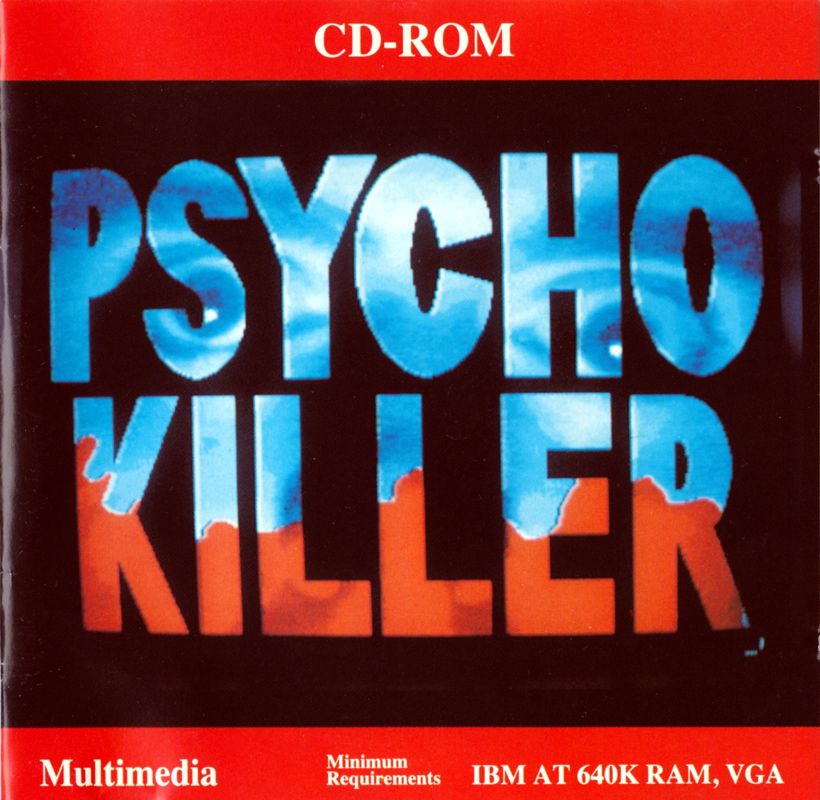
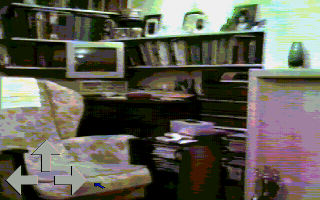
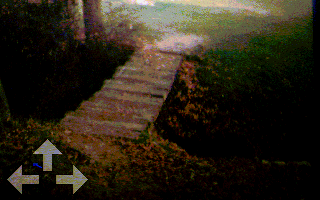
Psycho Killer embraces the full-motion video adventure style that became popular with CD-ROM drives in the mid-’90s. You navigate the game world by “jumping” from static image to static image—each frame offering a series of hotspots to explore. Clicking on these points will often reveal useful items or trigger short video clips, making the experience feel as much like watching a suspenseful thriller as it does like solving a puzzle.
(HEY YOU!! We hope you enjoy! We try not to run ads. So basically, this is a very expensive hobby running this site. Please consider joining us for updates, forums, and more. Network w/ us to make some cash or friends while retro gaming, and you can win some free retro games for posting. Okay, carry on 👍)
Interactivity is largely limited to point-and-click exploration and a handful of quick reflex challenges. During certain FMV sequences, you must choose the correct action within a few seconds—duck, grab, or move to the next vantage point—to avoid failure. Although these moments inject bursts of tension, the margin for error can feel unforgiving, especially on your first playthrough.
Puzzles revolve around finding objects, combining them in your limited inventory, and using them in the environment. While the difficulty curve is relatively gentle, progress occasionally stalls when the next hotspot is hidden in plain sight or masked by low-resolution backgrounds. For newcomers to interactive movies, this can be a useful introduction to a genre that trades traditional mechanics for cinematic presentation.
Overall, the gameplay is more contemplative than action-packed. If you’re looking for deep combat systems or complex platforming, Psycho Killer will disappoint. However, if you appreciate a leisurely, story-driven exploration that feels like stepping into a suspense film, the simplicity of its mechanics becomes part of its old-school charm.
Graphics
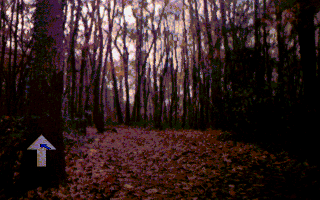
Visually, Psycho Killer is a snapshot of early CD-ROM technology. The backgrounds often consist of still photographs or pre-rendered scenes, overlaid with occasional live-action video inserts. While this approach was cutting-edge at launch, modern eyes will notice grainy textures, muted colors, and compression artifacts that betray the era’s technical limitations.
The live-action sequences feature practical sets and local actors who deliver earnest performances. Lighting in these clips is moody, with shadows cast across deserted farmhouses and misty woods—an effective touch for building tension. Still, the video resolution is low by today’s standards, resulting in blurry faces and odd frame rates during moments of rapid movement.
Environmental artwork shines in its choice of rustic, autumnal palettes: rust-red leaves, overcast skies, and creeping fog all contribute to an unsettling atmosphere. Although these images lack the polish of modern high-definition graphics, they remain evocative, capturing a raw, analog sense of dread that digital filters struggle to replicate.
Sound design is sparse but purposeful. Ambient wind, distant animal cries, and the occasional snapping twig heighten the isolation of the countryside. Voiceover lines are clear enough to deliver critical clues, even if the acting sometimes borders on melodrama. Together, audio and visuals form a cohesive audiovisual package that’s more about mood than spectacle.
Story
The narrative premise of Psycho Killer is straightforward yet effective: while driving through the countryside on a chilly autumn afternoon, your unnamed protagonist witnesses an escaped murderer chasing a terrified woman. Without a moment’s hesitation, you abandon your car and set off to thwart the killer and rescue his prey. This inciting incident immediately thrusts you into a cat-and-mouse pursuit that unfolds across abandoned barns, dense woodlands, and shadowy farmsteads.
Character development is minimal, as the game centers on suspense rather than deep backstories. You remain an everyman hero—silent, observant, and resourceful—while the killer is defined by his ominous silhouette and ruthless intent. The woman you save offers brief dialogue exchanges, mainly providing hints to guide your investigation. Though shallow by modern narrative standards, this simplicity keeps the focus firmly on exploration and decision-making.
Story progression relies on environmental clues: blood-stained footprints, half-burned notes pinned to wooden doors, and hastily scribbled messages. Piece by piece, you uncover the killer’s pattern, motives, and ultimate lair. There are no branching paths or multiple endings—once you unlock the final location, the chase reaches a single, predetermined climax designed for maximum suspense.
Despite its brevity, the tale of Psycho Killer delivers a steady cadence of tension. It doesn’t aspire to literary depth or philosophical nuance; instead, it trades subtle plot twists for instant thrills. If you’re intrigued by the idea of playing detective in a live-action horror short, you’ll appreciate how the story unfolds like a compact thriller film rather than an epic adventure.
Overall Experience
Psycho Killer is a time capsule of early interactive movie gaming. Its strengths lie in its atmospheric presentation and nostalgic appeal. Modern gamers seeking cinematic thrills may find the dated visuals and limited interactivity jarring, but those with an appreciation for retro CD-ROM titles will likely revel in every hotspot reveal and sudden video cue.
The game’s runtime is modest—most players will see the credits in under two hours—making it a perfect palate cleanser between lengthier releases. Its difficulty is approachable, though a few hidden hotspots can trigger mild frustration. Pausing between chapters gives you time to reflect on clues and plan your next move, amplifying the sensation of methodical detective work.
On the technical side, compatibility issues on contemporary systems can be a hurdle. You may need to rely on emulators or fan-made patches to achieve smooth playback. Once you overcome this barrier, however, the experience runs stably and retains the crisp audio-visual moments that define its suspenseful vibe.
In the end, Psycho Killer offers a concise, mood-driven adventure best suited for enthusiasts of FMV and vintage horror. It isn’t without flaws—story depth and graphical fidelity are firmly rooted in ’90s limitations—but it remains an engaging curiosity. If you’re compiling a collection of multimedia relics or simply craving a short, tension-filled journey, Psycho Killer delivers a charmingly retro thrill ride.


Reviews
There are no reviews yet.