 Retro Replay Retro Replay gaming reviews, news, emulation, geek stuff and more!



Retro Replay Review
Gameplay
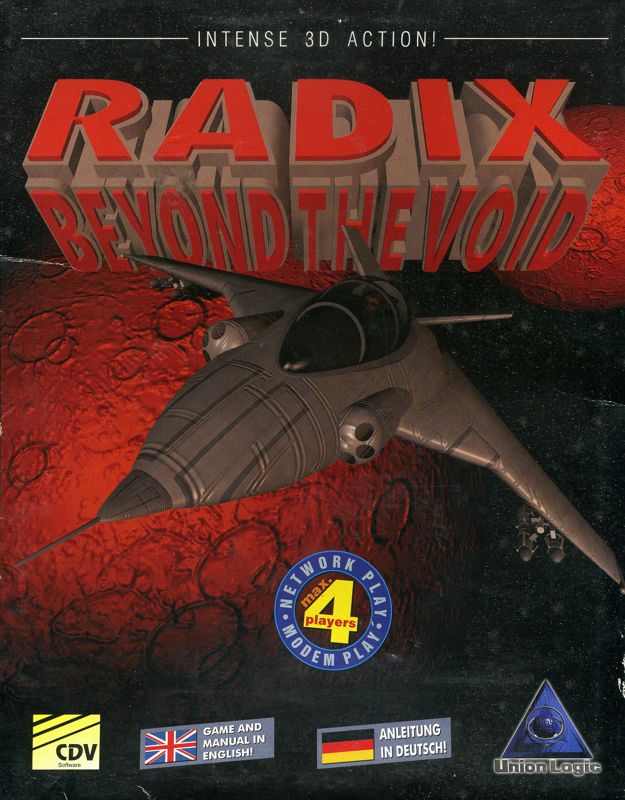
Radix: Beyond the Void delivers an action-packed 2.5D shooting experience that places you in the pilot’s seat of the inter-dimensional starfighter Radix. From the moment you take off, the game strikes a balance between fast-paced combat and strategic target selection. Your ship is outfitted with an array of weapons that can be individually aimed for precise strikes or unleashed in wide-area blasts to clear swarms of mechanized foes. This flexibility keeps encounters fresh, as you must decide on the fly whether to focus on priority targets or create room to maneuver.
(HEY YOU!! We hope you enjoy! We try not to run ads. So basically, this is a very expensive hobby running this site. Please consider joining us for updates, forums, and more. Network w/ us to make some cash or friends while retro gaming, and you can win some free retro games for posting. Okay, carry on 👍)
The mission-based structure encourages you to adapt to varied objectives—ranging from pure dogfighting scenarios to escort duties and timed defense tasks. Each mission ramps up in intensity, introducing new enemy types, environmental hazards, and destructible scenery that can both aid and hinder your progress. For example, blasting through certain walls can reveal power-ups, but it can also trigger hostile turrets or collapse strategic chokepoints, forcing you to think twice before firing indiscriminately.
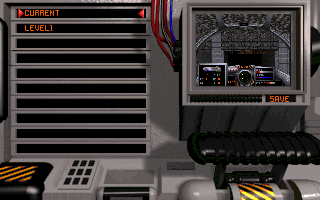
Control-wise, Radix uses a smooth, intuitive scheme reminiscent of classic flight sims, allowing strafing, vertical movement, and quick rolls to dodge incoming fire. While the learning curve can be steep for newcomers to 3D shooters, the game’s built-in training levels and save-anywhere feature ease you into the action. Veteran players will appreciate the precision required to master advanced maneuvers, making every successful mission feel well-earned.
Graphics
Although Radix hails from an earlier era of 3D gaming, it still manages to impress with its bold use of textures and lighting to evoke the cold expanse of The Void. Levels are rendered in a mix of pre-calculated 3D environments and sprite-based enemies, giving the game its characteristic “2.5D” aesthetic. Walls and corridors feature metallic surfaces, flickering hazard lights, and occasional bursts of plasma that illuminate your path in dramatic fashion.
Enemy designs strike a balance between industrial drones and alien constructs. Their animations, while occasionally repetitive, are fluid enough to communicate threat type and intent. Larger boss encounters leverage simple particle effects to emphasize scale and danger—watch for glowing weak points that light up as you chip away at their armor. The destructible environments, such as blastable wall panels and collapsing walkways, add an interactive flair that few shooters of that period dared to include.
Performance is largely consistent, even during onslaughts of enemy fire and explosive debris. On modern hardware—or within an emulator—frame rates stay steady, ensuring that you’re never slowed down during heated firefights. The game’s minimalist HUD maintains focus on the action, displaying only essential data like shield strength, weapon status, and mission timers, allowing the rich environments to take center stage.
Story
Set in the 22nd century, Radix: Beyond the Void opens with humanity’s crowning achievement: world peace under the banner of the United Earth Space Alliance (UESA). Freed from terrestrial conflict, UESA channels its resources toward exploring uncharted regions of space. The plot thickens when the second colony ship bound for asteroid Theta-2 vanishes amidst swirling anomalies in what scientists ominously dub “The Void.”
With ten thousand colonists unaccounted for, the UESA commissions the prototype inter-dimensional starfighter Radix to pierce the barrier of The Void and investigate. From the outset, the narrative injects tension and urgency into each mission briefing. Cryptic radio transmissions, fragmented journal logs, and scattered distress beacons weave a tapestry of mystery about the alien aggressors and the fate of the missing colony.
While the storyline is not the deepest in sci-fi lore, it serves as a compelling backdrop for the game’s intense action. The sense of isolation as you warp through dark, uncharted space corridors reinforces the stakes, making every burst of enemy fire feel personal. Fans of classic space operas will appreciate the streamlined narrative that propels you forward without undue exposition.
Overall Experience
Radix: Beyond the Void stands out as a polished relic of late-’90s shooters, offering a blend of frantic action and strategic weapon management. Its mission-based progression and varied enemy roster keep players engaged over multiple play sessions. The ability to toggle between pinpoint targeting and area-of-effect blasts ensures that combat never grows monotonous, rewarding both skillful aim and tactical thinking.
Though its graphics and storytelling reflect the limitations of its time, the game’s core design remains compelling. The mix of 2.5D environments, destructible scenery, and atmospheric lighting creates an immersive world—one that still captures the thrill of interstellar conflict. Sound effects and an energetic soundtrack further elevate the tension during climactic battles.
For modern gamers with a taste for retro shooters or anyone looking to explore the origins of inter-dimensional starfighter narratives, Radix: Beyond the Void offers a rewarding experience. It may not redefine the genre, but it delivers solid, bite-sized missions packed with challenge and variety. If you appreciate a balance of classic design and gameplay depth, Radix deserves a spot in your collection.



Reviews
There are no reviews yet.