 Retro Replay Retro Replay gaming reviews, news, emulation, geek stuff and more!


Retro Replay Review
Gameplay
Ragnarok is a classic medieval fantasy roguelike that delivers deep, rewarding mechanics with every playthrough. Players begin as a fledgling Viking in the year 999 A.D., embarking on a procedure of randomly generated dungeons, villages, and wilderness areas that ensure no two sessions are ever the same. The core loop revolves around exploration, resource management, and strategic decision-making: every step could reveal a treasure chest, a merchant, or a deadly troll.
(HEY YOU!! We hope you enjoy! We try not to run ads. So basically, this is a very expensive hobby running this site. Please consider joining us for updates, forums, and more. Network w/ us to make some cash or friends while retro gaming, and you can win some free retro games for posting. Okay, carry on 👍)
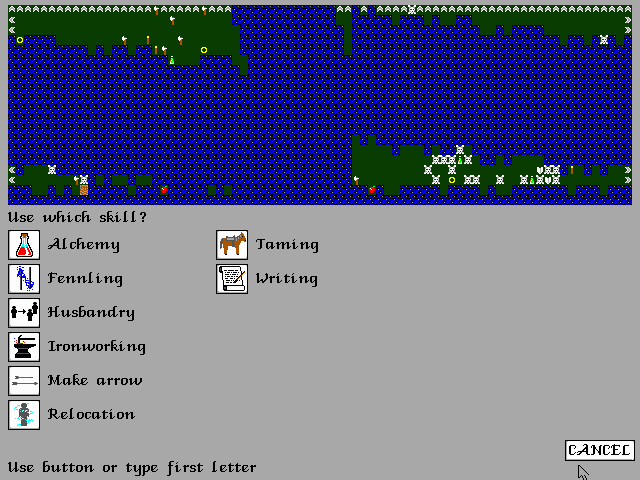
Character progression hinges on six distinct classes—Blacksmith, Alchemist, Sage, Conjurer, Woodsman, and Viking—each boasting unique skills and power curves. By the 10th level, you’ll face the choice of remaining loyal to your class or switching allegiances to master other disciplines, creating hybrid builds that can forge weapons, brew potent elixirs, write powerful scrolls, or tame fearsome beasts. Such flexibility encourages experimentation and nurtures a sense of ownership over your hero’s growth.
Beyond character builds, Ragnarok’s gameplay centers on a series of Norse-themed quests aimed at averting or delaying the prophesied end of the world. Whether you’re recovering Mjöllnir for Thor, freeing Balder’s soul, or discovering how Tyr might battle single-handedly, each objective introduces unique challenges and lore. Randomized encounters, fluctuating shop inventories, and unpredictable monster spawns maintain tension and replayability, demanding adaptability from both newcomers and roguelike veterans alike.
Graphics
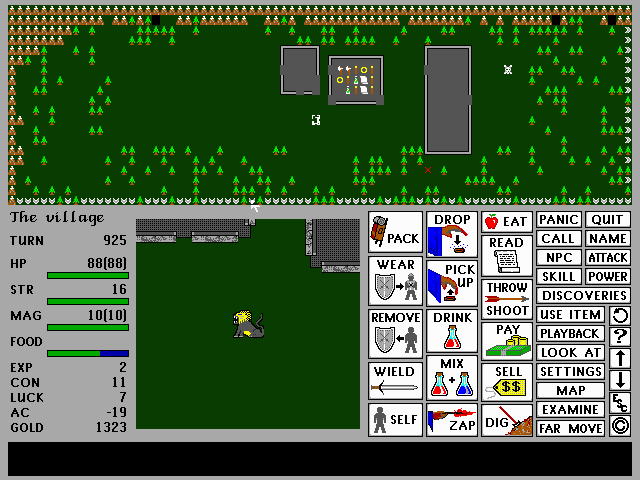
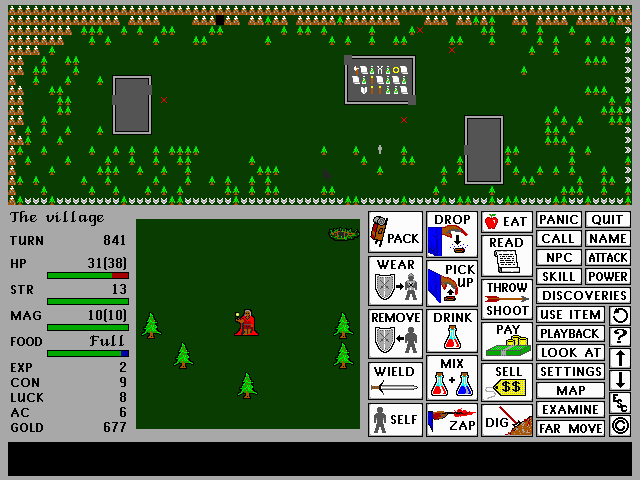
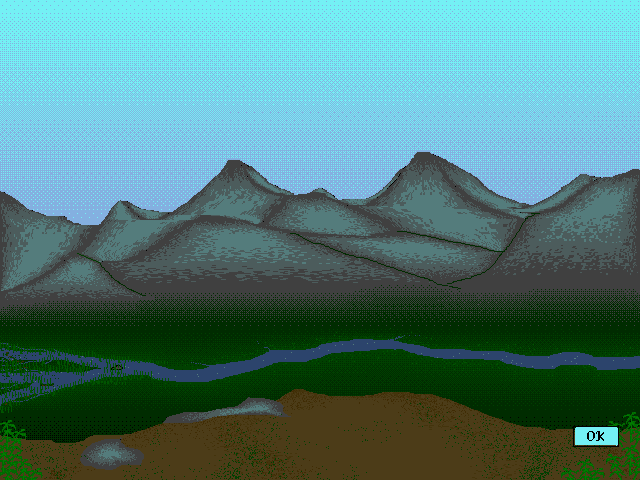
Visually, Ragnarok embraces a retro aesthetic that stays true to the genre’s roots, featuring crisp, tile-based sprites and minimalist animations. Though it may not rival contemporary 3D blockbusters, the game’s art style effectively conveys the rugged landscapes of Midgaard, the ethereal glow of Asgard, and the shadowy reaches of Niflheim. Each realm is rendered with a distinct palette—earthy reds and browns for mortal lands, shimmering golds for the gods’ domain, and icy blues for the land of the dead.
Monster designs draw heavily from Norse mythology, ranging from skeletal draugr and frost giants to winged Valkyries and the dreaded Fenrir. Detailed icons make identification straightforward, allowing you to plan your tactics at a glance. Item graphics are similarly intuitive: a shimmering hammer for Mjöllnir, runic scrolls for sage spells, and alchemical vials that bubble with arcane energy. The result is an interface that balances clarity with atmospheric flair.
While dungeon layouts are procedurally generated, environmental details such as rune-etched walls, braided wooden supports, and flickering torchlight impart character to each room. Ambient sound effects—clang of swords, distant howls, dripping water—add immersion without overplaying their hand. Altogether, the graphics and audio coalesce into a cohesive medieval Norse experience that prioritizes readability and mood over flashiness.
Story
Set against the ominous backdrop of Ragnarok—the Norse apocalypse—this game casts you as a young Viking determined to thwart or postpone the end of days. Rumors of the prophecy have permeated every corner of your village, prompting your departure into a world teeming with gods, monsters, and hidden lore. This sense of urgency drives each quest, shaping your journey from a humble adventurer to a potential savior of the Nine Realms.
The narrative unfolds through in-game text, cryptic runes, and occasional interactions with deities such as Odin, Thor, and Freyr. By undertaking tasks like returning Gjallarhorn to Heimdall or securing Mimming for Freyr, you gradually earn the favor of these powerful patrons. Dialogue is sparse but evocative, leaving room for player imagination while emphasizing the weight of your mission.
Though the overarching storyline remains consistent—the impending doom of Ragnarok—the game allows for multiple endings depending on which quests you complete and how alliances shift. Do you side more closely with Asgard’s pantheon or pursue arcane knowledge as a Sage? Will you risk venturing into Niflheim’s frozen wastes, or focus on fortifying Midgaard against encroaching darkness? These choices, coupled with randomized world elements, ensure that every saga feels personal and replayable.
Overall Experience
Ragnarok succeeds as a triumphant blend of deep roguelike systems and immersive Norse mythology. Its procedurally generated world and varied class mechanics offer endless replay value, while thematic quests and atmospheric presentation keep players invested. For those who relish strategic challenges, resource juggling, and a dash of narrative-driven exploration, this game delivers on all fronts.
The learning curve can be steep—roguelikes are notorious for their punishing difficulty—but incremental mastery of classes and an understanding of monster behavior quickly yields satisfying “aha” moments. Successes feel genuinely earned, whether you discover a legendary runestone or finally unlock the conjurer’s teleport skill. Occasional frustrations give way to triumphant runs, solidifying Ragnarok’s addictive appeal.
In conclusion, Ragnarok is a must-try for fans of turn-based dungeon crawlers and Norse lore. Its fusion of handcrafted narrative hooks, versatile character development, and ever-changing world design makes each expedition unique. Whether you aim to free Balder, reclaim mythical artifacts, or simply survive the onslaught of ice trolls, this Viking adventure promises countless hours of challenging, mythic exploration.


Reviews
There are no reviews yet.