 Retro Replay Retro Replay gaming reviews, news, emulation, geek stuff and more!

Retro Replay Review
Gameplay
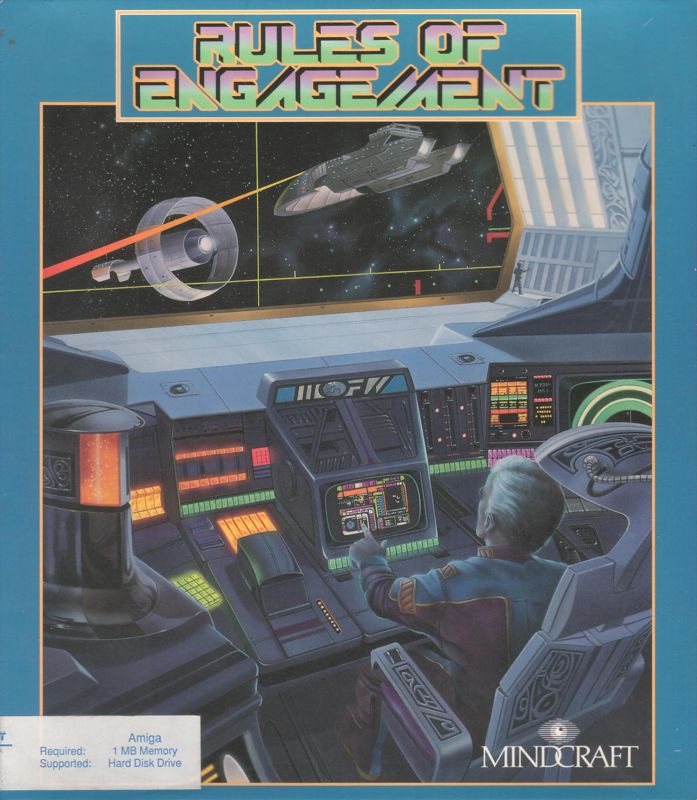
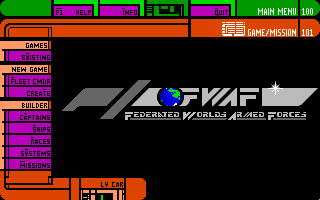
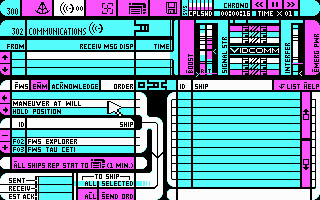
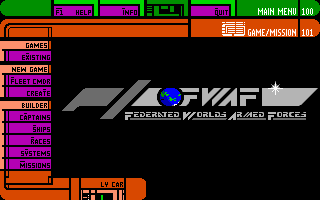
Rules of Engagement places you directly in the captain’s chair of a starship bridge, using the mouse-driven LYCAR interface to issue orders, monitor tactical readouts, and manage communications channels. From the moment you begin, you’ll create your Fleet Commander persona, customizing mission objectives by selecting star systems, ships, captains, and even alien adversaries. This initial setup phase already hints at the depth to come, as you must balance the capabilities of your own forces against those of potential foes in order to achieve victory.
(HEY YOU!! We hope you enjoy! We try not to run ads. So basically, this is a very expensive hobby running this site. Please consider joining us for updates, forums, and more. Network w/ us to make some cash or friends while retro gaming, and you can win some free retro games for posting. Okay, carry on 👍)
Once a mission commences, the game’s true strengths shine through. You’ll juggle navigation plots, weapons systems, sensor sweeps, and diplomatic exchanges—all from a single, unified control panel. When battles erupt, owners of Breach 2 can seamlessly transition into the Interlocking Game System for real-time tactical skirmishes, adding a layer of detail that is rare even by today’s standards. This hybrid approach keeps the pacing dynamic: you’re not just pressing “fire,” you’re reconfiguring shields, coordinating fighter wings, and negotiating ceasefires on the fly.
For those who crave creativity, the built-in Mission Editor opens up near-endless possibilities. You can design custom star systems, populate them with friendly and enemy vessels, and set the strategic stakes. Want to re-stage a classic Star Trek standoff or engineer a multi-front campaign against a rogue alien fleet? The editor lets you do exactly that, providing a sandbox that extends the game’s replay value far beyond its packaged scenarios.
Graphics
Visually, Rules of Engagement leans into a sleek, minimalistic aesthetic reminiscent of the LCARS displays seen in Star Trek: The Next Generation, but with its own unique color palette and layout logic. The screen is dominated by modular panels that can be resized or moved according to your preferences, giving you a clear overview of sensors, tactical maps, and communication logs without clutter. While it may lack the full-motion video or photorealistic textures of modern titles, its stylized vector art communicates critical data with precision and flair.
The strategic map views are where the graphics really serve gameplay: ships are represented by simple but distinctive icons, and combat animations—firing arcs, shield impacts, and warp jumps—are rendered with clean lines and bright accent colors. Subtle sound cues and animation highlights draw your attention to important developments, such as when an enemy vessel decloaks or when your shields are faltering, making every engagement feel immediate and immersive despite the abstract presentation.
Even on higher-resolution monitors, the interface scales gracefully, maintaining legibility and responsiveness. The mission editor reuses the same graphical toolkit, making custom scenario creation feel like an organic extension of the main game. Though there’s no attempt at full-3D starfields or cinematic cutscenes, the deliberate clarity and cohesion of the art direction ensure that you always know exactly what’s happening, even in the thick of a multi-vector confrontation.
Story
Rules of Engagement intentionally downplays a linear narrative in favor of situational storytelling driven by your choices as Fleet Commander. Each mission represents a chapter in your own personal campaign: rescuing stranded diplomats, escorting vital supply convoys, or confronting hostile incursions on the frontier. As you rack up promotions and honors, you’ll feel the weight of your decisions and the evolving reputation of your command.
The lack of a fixed storyline is by design, encouraging emergent drama and replayability. You create the context for each engagement, whether it’s defending a newly colonized world from marauding pirates or negotiating an uneasy armistice with enigmatic alien species. The game’s mission briefings offer concise background details—political alliances, strategic objectives, and the personalities of both your captains and their adversaries—to help you set the stage for each operation.
Interpersonal elements arise naturally through mission outcomes: a captain who repeatedly fails may be reassigned, while success under dire circumstances can earn you glowing commendations. This organic progression of reputation and rank lends a sense of continuity to your career, making your fleet feel less like disposable units and more like a cadre of officers whose fates you genuinely shape.
Overall Experience
Rules of Engagement is a deep and demanding simulation that rewards players willing to learn its interface and embrace its strategic mindset. The combination of the LYCAR UI, Interlocking Game System integration, and mission creation tools offers an unparalleled level of control for starship tacticians. It isn’t a pick-up-and-play arcade romp; rather, it invites you to think like a fleet commander, weighing long-term objectives against split-second decisions in the heat of battle.
The learning curve can be steep, especially if you’re new to mouse-driven command sims, but the payoff is significant: a sense of accomplishment that few space strategy games can match. Veteran players will appreciate the game’s modular structure, allowing them to craft intricate campaigns or challenge themselves with custom scenarios tailored to specific tactics or alien threats. Even after hundreds of hours, there are still new strategies to explore and ship combinations to experiment with.
For anyone fascinated by starship operations, diplomatic maneuvering, or deep tactical warfare, Rules of Engagement remains a standout title. It marries thoughtful design with flexible tools and an interface that, while rooted in early ’90s technology, still feels intuitive and purposeful today. If you’re looking for a simulation that places you at the heart of every decision—where victory is earned, not handed to you—this game is an ideal choice.



Reviews
There are no reviews yet.