 Retro Replay Retro Replay gaming reviews, news, emulation, geek stuff and more!
Retro Replay Review
Gameplay
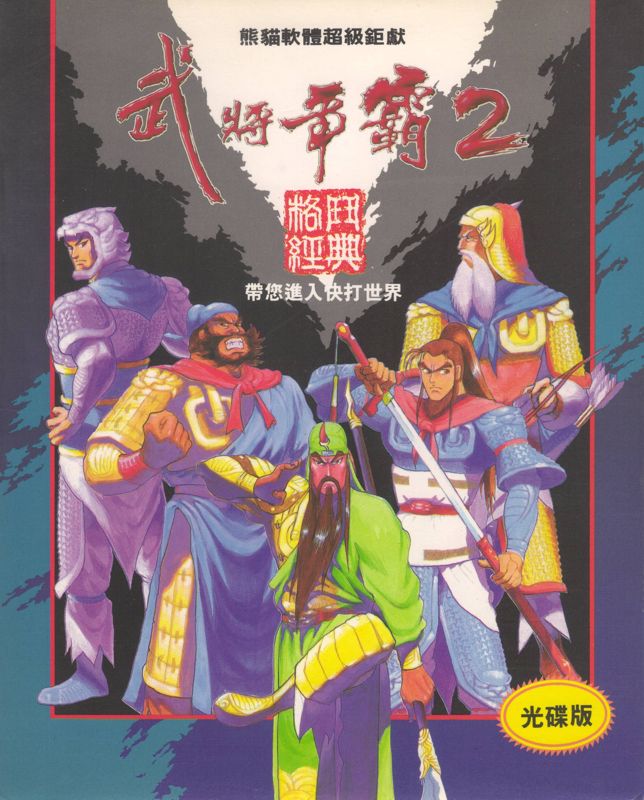
Sango Fighter 2 builds upon the solid foundation of its predecessor by delivering a fluid and responsive fighting system that will satisfy both casual brawlers and seasoned competitors. Each of the sixteen heroes from the Three Kingdoms era brings unique move sets, special attacks, and super moves, allowing players to experiment with different styles. The controls feel tight, with punch, kick, and weapon-based inputs that combine into a variety of satisfying combos.
(HEY YOU!! We hope you enjoy! We try not to run ads. So basically, this is a very expensive hobby running this site. Please consider joining us for updates, forums, and more. Network w/ us to make some cash or friends while retro gaming, and you can win some free retro games for posting. Okay, carry on 👍)
The three distinct modes—Conquer China, Warriors Battle, and Two-Player Match Ups—offer varied pacing and goals. Conquer China serves as a single-player campaign where you fight through rival warlords, earn upgrades, and unlock hidden characters. Warriors Battle challenges you to survive as many matches as possible against increasingly difficult AI opponents, testing your mastery of the mechanics. Two-Player Match Ups provides local head-to-head action, turning your living room into a battleground for intense rivalries.
Balance is a standout feature in Sango Fighter 2. No single character dominates the roster, and each hero has clear strengths and weaknesses. This encourages you to learn counters and adapt your strategy, preventing matches from becoming stale. The AI difficulty can be tweaked to suit beginners or veterans, ensuring everyone can find an appropriate level of challenge. Combined with hidden secrets and bonus stages scattered throughout Conquer China mode, the gameplay loop remains fresh and engaging over many hours.
Graphics
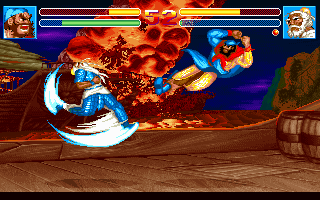
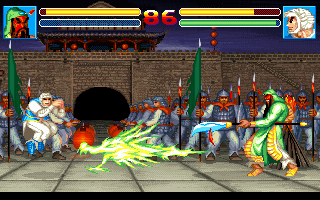
Visually, Sango Fighter 2 embraces a vibrant 2D pixel art style that captures the spirit of the Three Kingdoms era. Character sprites are richly detailed, with fluid animations that convey the impact of every strike. Weapon swings are accentuated by dynamic frame changes, while super moves are accompanied by eye-catching effects that punctuate key moments in battle.
Background stages are varied and atmospheric, ranging from misty mountain passes to bustling palace courtyards. Each backdrop incorporates subtle animated elements—fluttering banners, drifting clouds, or flickering torches—that bring the world to life without distracting from the action. The designers have also used a broad color palette, ensuring that no two stages look alike and that each character’s silhouette stands out clearly against the scenery.
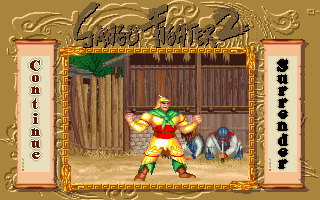
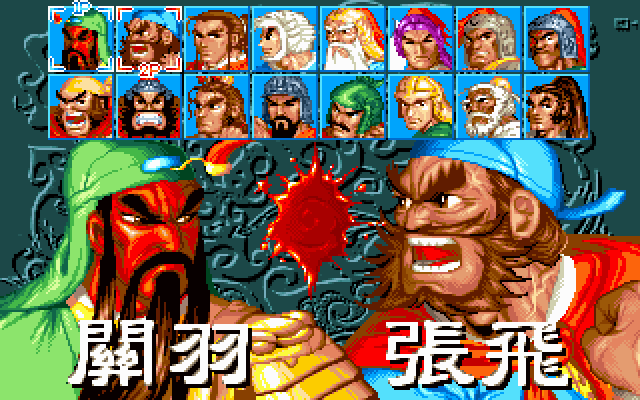
The user interface is clean and intuitive. Health bars, special gauges, and combo meters are neatly arranged along the top and bottom of the screen, leaving the central play area unobstructed. Menu screens and character portraits feature tasteful, hand-drawn art that complements the in-game visuals. Overall, the graphics strike a balance between nostalgia for classic fighters and a level of polish that feels satisfying even by modern standards.
Story
While Sango Fighter 2 is primarily a fighting game, it weaves a loose narrative through its Conquer China mode. As you select one of the sixteen legendary heroes—ranging from Liu Bei and Guan Yu to lesser-known figures like Taishi Ci—you embark on a journey to unify the land. Brief interstitial dialogues and character portraits appear between matches, providing context for each showdown.
These narrative snippets lean into the rich tapestry of Three Kingdoms lore. Although the story is not the game’s main focus, fans of the period will appreciate references to historical battles, political intrigue, and personal rivalries. Unlockable endings reveal alternate “what-if” scenarios that play out if your chosen hero succeeds in subduing all opponents, adding a layer of replayability for those interested in multiple outcomes.
Character biographies located in the game’s gallery mode expand on each hero’s background, motivations, and signature techniques. This helps newcomers understand who they’re playing as, while history buffs will enjoy the effort placed into maintaining period-appropriate details. The narrative pacing is brisk, ensuring that story elements enhance rather than interrupt the core fighting experience.
Overall Experience
Sango Fighter 2 delivers a compelling package for anyone looking to dive into a historically themed versus fighting game. The combination of balanced mechanics, varied modes, and colorful presentation makes it easy to pick up yet hard to master. Whether you’re alone at the keyboard, battling through Conquer China, or squaring off with friends, the game sustains a high level of excitement match after match.
Replayability is one of the title’s greatest strengths. The multiple modes, hidden characters, and alternate endings invite experimentation and encourage you to revisit the game long after your first run. Spectators will also appreciate the fast-paced action and clear visual feedback, making Sango Fighter 2 an ideal choice for local tournaments or casual gatherings.
In summary, Sango Fighter 2 achieves what few retro-style fighting games manage: it provides depth, variety, and a genuine connection to historical lore without sacrificing accessibility. The well-crafted gameplay, attractive visuals, and light narrative touches work in harmony to create an experience that feels both fresh and familiar. For fans of fighting games and Three Kingdoms history alike, this sequel is a must-have addition to the library.


Reviews
There are no reviews yet.