 Retro Replay Retro Replay gaming reviews, news, emulation, geek stuff and more!
Retro Replay Review
Gameplay
Soko-Ban’s core gameplay is deceptively simple: push crates onto designated spots in a warehouse-like grid. Each level presents a compact puzzle area filled with crates, walls, target squares, and the player avatar. Movement is restricted to up, down, left, or right, and crates can only be pushed one at a time without the ability to pull them back. This limitation forces players to think several moves ahead and anticipate how each push will shape the evolving layout of the level.
(HEY YOU!! We hope you enjoy! We try not to run ads. So basically, this is a very expensive hobby running this site. Please consider joining us for updates, forums, and more. Network w/ us to make some cash or friends while retro gaming, and you can win some free retro games for posting. Okay, carry on 👍)
While early challenges introduce basic mechanics—simple corridors and a handful of crates—the difficulty curve ramps up dramatically. By mid-game, you’ll encounter tight spaces, crate clusters, and multi-step solutions that can span dozens of moves. A single misstep can leave a crate stranded in a corner, rendering a level impossible without restarting. This “one wrong push” design is at once thrilling and infuriating, rewarding careful planning while punishing reckless button-mashing.
Longtime fans appreciate Soko-Ban’s pure puzzle ethos: there are no enemies, timers, or power-ups to distract from the crate-pushing challenge. Each stage is a standalone brain-teaser, and progression is measured by how cleverly you rearrange boxes rather than how fast you move. For speedrunners, the game offers an additional layer of depth as they chase minimum-move or minimum-time records, but casual players can savor the methodical puzzle flow at their own pace.
Graphics
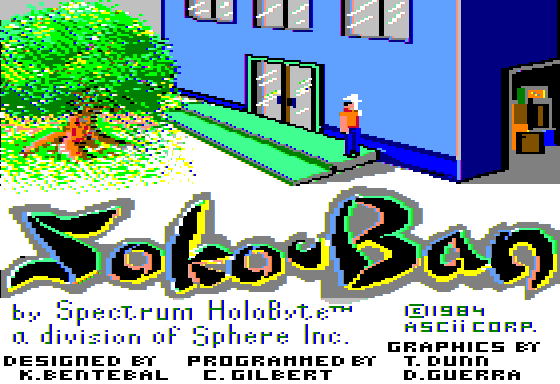
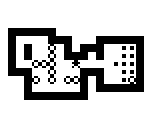
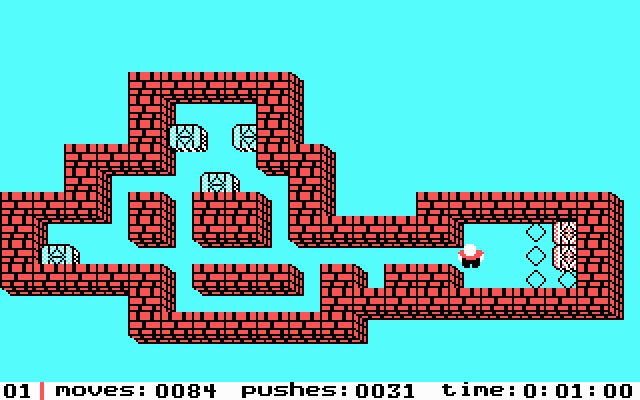
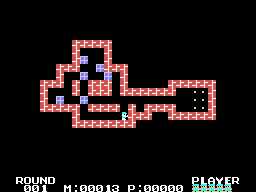
Soko-Ban’s visuals are unapologetically minimalist, harking back to its origins in the 1980s. The game employs simple tile-based graphics: solid-colored walls, a grid of floors, square crates, and clearly marked destination spots. Though it lacks modern textures or dynamic lighting, the design prioritizes instant clarity, ensuring players always know what they’re looking at and can focus entirely on puzzle solutions.
The user interface is clean and unobtrusive. Level numbers, move counters, and basic controls appear along the edges of the screen without drawing attention away from the grid. Even on higher resolutions, the tiles remain crisp and easily distinguishable, making the game accessible to players with visual impairments or those playing on smaller displays.
Some modern ports of Soko-Ban introduce optional themes or color-blind palettes, but the classic version remains true to its retro roots. The visual charm lies in its straightforwardness—no flashy animations or unnecessary effects. Every graphic element serves a purpose, from the stark contrast between crates and floors to the bold border around the play area. In a way, the simplicity of the graphics is a feature, not a limitation.
Story
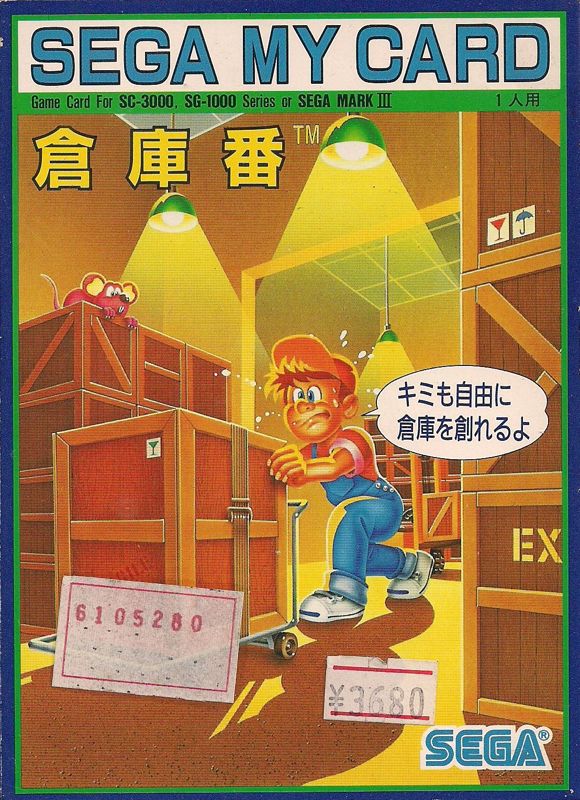
Soko-Ban has virtually no narrative in the traditional sense—there’s no protagonist origin, no plot twists, no NPC interactions. The setting is a generic warehouse where an unnamed mover methodically pushes crates into place. This bare-bones backdrop exists solely to justify the puzzles, and that’s perfectly fine given the genre.
Despite the lack of an elaborate storyline, many players appreciate the implicit narrative woven into each level. Every push becomes a part of an unspoken journey to organize chaos. Solving a puzzle feels like completing a task for an unseen architect, turning a disarrayed stockroom into a neat, functional space. It’s a minimalist tale of order over disorder—one box at a time.
For those seeking character-driven arcs or emotional storytelling, Soko-Ban may feel too skeletal. However, the absence of narrative distractions allows the puzzles themselves to become the “story,” with each level representing a chapter in a silent saga of spatial reasoning. In the end, the real narrative emerges from the player’s own problem-solving triumphs and occasional moments of cube-pushing frustration.
Overall Experience
Soko-Ban delivers a pure, unfiltered puzzle experience that has stood the test of time. Its straightforward rules, coupled with deeply challenging levels, make it an ideal title for logic puzzle enthusiasts. The joy of discovering the precise sequence of moves to solve a seemingly intractable layout is matched only by the satisfaction of watching crates slide effortlessly into their target spots.
However, the steep difficulty curve can be a double-edged sword. Newcomers may find later levels intimidating or even off-putting when a single misplacement demands restarting the entire stage. Patience and perseverance are essential virtues for conquering Soko-Ban, as is a willingness to embrace trial-and-error learning. For players who relish methodical brainteasers, these very traits become addictive.
Ultimately, Soko-Ban’s legacy is its pure puzzle design, which has inspired countless clones and spin-offs. While it doesn’t dazzle with modern graphics or an intricate storyline, its timeless gameplay continues to challenge and charm players decades after its inception. If you’re in search of a minimalist yet deeply rewarding puzzle game that tests your foresight and logic, Soko-Ban remains an exemplary choice.


Reviews
There are no reviews yet.