 Retro Replay Retro Replay gaming reviews, news, emulation, geek stuff and more!
Retro Replay Review
Gameplay
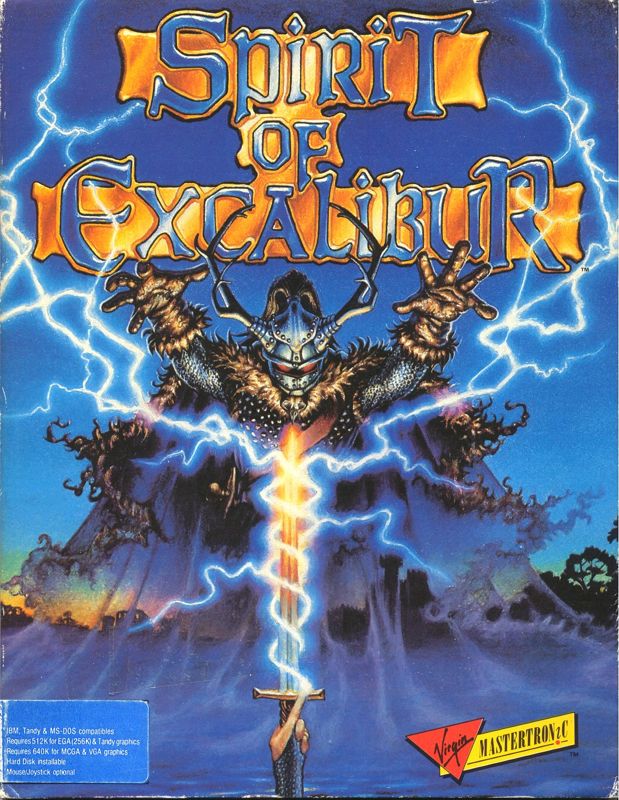
Spirit of Excalibur places you in the role of regent, charged with uniting a fractured Camelot in the dark days following King Arthur’s death. The game divides its campaign into discrete episodes, each presenting unique objectives—from tracking down missing Knights of the Round Table to securing alliances with wavering lords. This episodic structure lends a satisfying sense of progression, as small victories accumulate toward the ultimate goal of restoring Arthur’s legacy.
(HEY YOU!! We hope you enjoy! We try not to run ads. So basically, this is a very expensive hobby running this site. Please consider joining us for updates, forums, and more. Network w/ us to make some cash or friends while retro gaming, and you can win some free retro games for posting. Okay, carry on 👍)
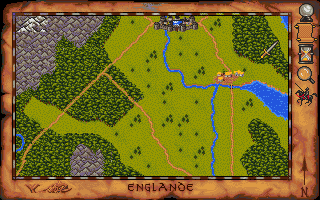
The heart of the gameplay lies in its dual-layer system. On the strategic layer, a real-time overworld map lets you move armies, negotiate with nobles, and respond to sudden incursions by rival forces. You can pause at any time to manage supply lines, assign incentives to knights, or reroute troops, making every decision feel weighty. In contrast, the tactical layer switches to a side-view “scene,” where individual characters interact, trade magical artifacts, or fight skirmishes in small-scale encounters.
Recruitment and resource management form the backbone of your campaign. Many knights will only join your cause under specific conditions—some demand a personal invitation from one of their peers, while others require gifts of relics or treasuries. Balancing these demands against the constant pressure of enemy advances challenges you to think several moves ahead, turning Spirit of Excalibur into more than just a hack-and-slash fantasy romp.
Graphics
Built on the same engine as War in Middle Earth, Spirit of Excalibur delivers a blend of top-down and side-view visuals that feel both retro and timeless. The overworld map presents Britain in muted earth tones, with unit icons that are instantly recognizable and easy to track, even during hectic moments. Scenery transitions smoothly between provinces, reinforcing the sense that you’re overseeing a living, breathing realm.
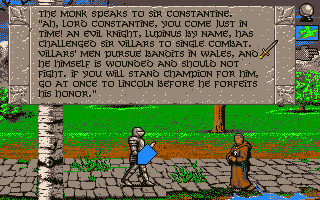
During scene-level sequences, the game shifts to 2D sprite art reminiscent of classic adventure games. Character portraits and environmental backdrops are richly detailed, imbued with Celtic motifs and Arthurian flourishes. While animations can feel a bit stiff by modern standards, the expressive poses and careful framing of each side-view encounter add personality and drama to every interaction.
Interface elements—status bars, dialogue boxes, and inventory screens—are straightforward and cleanly designed. Though the UI occasionally leans on dated conventions, it remains intuitive: dragging an artifact onto a knight or clicking to move a unit on the map rarely leads to confusion. Overall, the graphics strike a fine balance between functionality and style, ensuring that aesthetic choices never get in the way of strategic planning.
Story
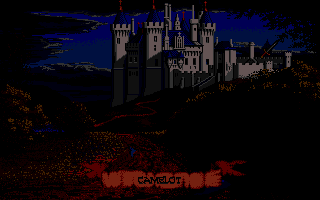
Spirit of Excalibur weaves a tale of loyalty, betrayal, and magic in the aftermath of Camelot’s greatest hero. With Arthur gone, his kingdom splinters into rival factions led by power-hungry nobles and the treacherous sons of Mordred. Overseeing this descent into chaos is Morgan Le Fay, whose dark machinations threaten to consume all of Britain unless you can rally the kingdom’s defenders.
The narrative unfolds through episodic quests, each highlighting a different knight or region of the realm. You might find yourself courting Sir Gawain in the Welsh hills one chapter, then negotiating a fragile truce with exotic lords in the western isles the next. Dialogue is flavored with medieval diction and sprinkled with mythic lore—sometimes uneven, but always evocative of the Arthurian legend.
Quests often hinge on moral choices: do you demand heavy tribute from a struggling village in exchange for protection, or do you show mercy and risk losing vital resources? These decisions carry weight, influencing not only your coffers but also the loyalty of your assembled knights. The result is a story that feels personal, as your leadership style visibly shapes the course of Camelot’s rebirth.
Overall Experience
Spirit of Excalibur offers a deep, multifaceted strategy-adventure that rewards careful planning and heroic zeal in equal measure. Its layered gameplay—balancing grand strategy on the overworld with intimate scene-level interactions—remains compelling decades after its original release. While some mechanics may feel dated to newcomers, the blend of map-based maneuvering and character-driven quests is hard to resist.
Fans of Arthurian lore will appreciate the rich tapestry of legends woven throughout the campaign. The game doesn’t shy away from the gritty, human side of myth: knights with grudges, barons with hidden agendas, and the ever-present danger of magical betrayal. Coupled with the nostalgic charm of 2D sprites and a powerful engine inherited from War in Middle Earth, Spirit of Excalibur achieves a unique identity in the strategy genre.
For anyone seeking a strategic journey through medieval Britain, punctuated by moments of personal drama and high stakes, Spirit of Excalibur remains a standout title. Whether you’re uniting knights at a grand round table or dueling Morgan Le Fay’s minions in shadowy groves, the game delivers a memorable quest to restore Camelot’s splendor. It’s a classic worth revisiting or discovering anew.


Reviews
There are no reviews yet.