 Retro Replay Retro Replay gaming reviews, news, emulation, geek stuff and more!
Retro Replay Review
Gameplay
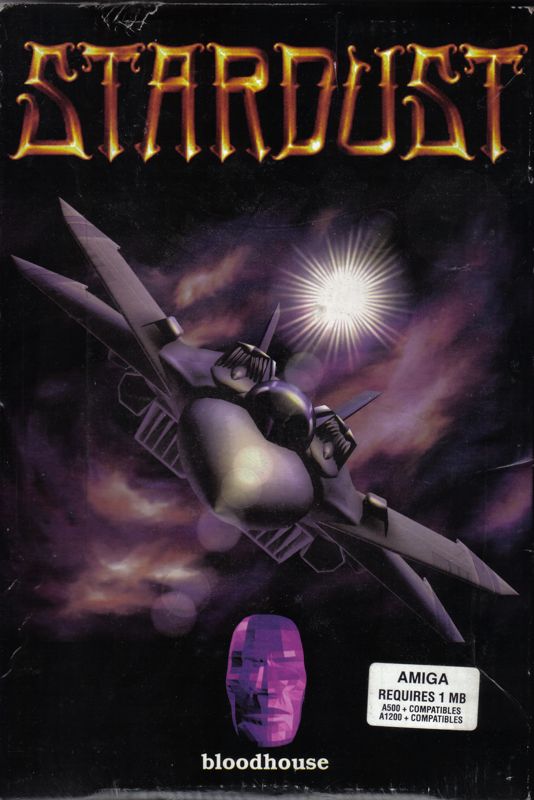
Stardust takes the classic Asteroids formula and injects it with modern twists, offering a richer arcade experience that rewards both precision and tactical thinking. You’re given access to 30 action-packed levels spread across five distinct worlds, each offering unique environmental hazards and rock formations. Unlike the linear progression of traditional shooters, Stardust allows you to tackle levels in any order, but introduces formidable guardians that appear once you’ve cleared the sixth stage in a given world—keeping the challenge fresh and encouraging strategic level selection.
(HEY YOU!! We hope you enjoy! We try not to run ads. So basically, this is a very expensive hobby running this site. Please consider joining us for updates, forums, and more. Network w/ us to make some cash or friends while retro gaming, and you can win some free retro games for posting. Okay, carry on 👍)
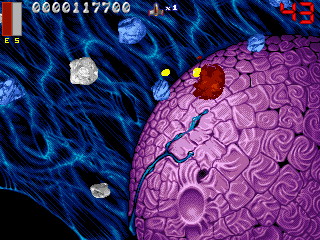
The heart of Stardust’s gameplay lies in its weapon system. Destroy alliance ships to collect six different armaments—3-way shots, bouncers, plasma beams, flame shooters, bursters, and homing missiles—each with its own upgradeable tiers. The ability to power up one weapon while actively using another adds an extra layer of depth, letting you mix and match offense styles on the fly. Whether you prefer the wide coverage of the 3-way gun or the pinpoint accuracy of homing missiles, adapting your loadout to the rock colors (from easy-to-shatter greys to tough-as-nails yellows) keeps engagements dynamic.
Beyond the standard asteroid fields, Stardust spices up the routine with four futuristic tunnel levels. Here, you’re launched into a ray-traced 3D passage where reflexes are tested as you weave through tight corridors, blasting obstacles and enemy drones. Additionally, two optional Thrust-style bonus stages offer high-risk, high-reward gameplay: master gravitational pulls and lateral thrusters to bank extra lives—or lose them in a split second. This blend of level types and the non-linear world structure gives Stardust commendable replay value and a satisfying sense of progression.
Graphics
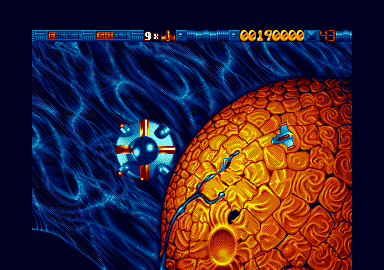
Stardust honors its arcade roots with crisp, colorful sprite work, yet it doesn’t shy away from contemporary effects. Each asteroid shatters with satisfying particle explosions, and the color-coded endurance system makes it immediately clear which rocks will pose a greater threat. Alliance ships and enemy guardians come equipped with glowing thrusters and distinct hull designs, ensuring that every foe feels unique as you dispatch them into space debris.
The four tunnel levels deserve special mention for their stylish ray-traced 3D tunnels. These sequences transition smoothly from the 2D overhead perspective, immersing you in neon-lit corridors that pulse in time with the electronic soundtrack. Subtle lighting flares, dynamic shadows, and reflective surfaces combine to create an eye-catching spectacle that feels fresh yet complements the rest of the game’s more traditional visuals.
Performance-wise, Stardust runs buttery-smooth on modern systems and even handles intense on-screen action without a hitch. Frame rates stay rock-steady, ensuring that no unexpected stutter will cost you a life during a hair-trigger moment. Visual feedback—screen shakes, bloom effects, and explosion flashes—are tuned just right, amplifying the arcade thrill without overwhelming your senses.
Story
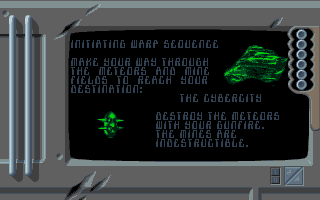
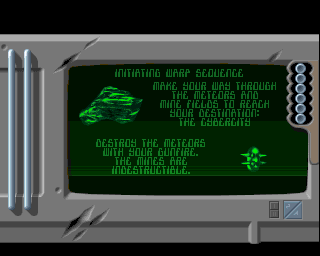
Stardust keeps its narrative framework concise, channeling the spirit of classic arcade shooters. You assume the role of a hired pilot tasked with cleansing the “Stardust sectors” of rogue asteroids and hostile forces that threaten interstellar trade routes. While there isn’t a sprawling cutscene drama to follow, the game masterfully conveys urgency through mission briefings and in-game text prompts, ensuring you always know why you’re blasting space rocks and rogue drones.
Allied forces play a dual role in both gameplay and story context. By liberating stranded supply convoys and downed fighter pods, you unlock new weapon upgrades and missile caches—framing each power-up as a tangible contribution to the ongoing conflict. The periodic appearance of level guardians serves as mini-boss encounters, symbolizing key milestones in your campaign to secure each world’s perimeter.
Though Stardust forgoes deep character arcs or lengthy exposition, it succeeds in weaving a minimalist narrative that places the emphasis firmly on action. The sense of momentum—clearing a world, unlocking its guardian, and moving on to the next—creates a satisfying loop that keeps you invested in the campaign’s broader objective without bogging down the pace.
Overall Experience
Stardust stands out as a modern homage to the golden age of arcade shooters while introducing enough innovations to feel uniquely its own. The freedom to tackle levels out of sequence, combined with diverse weaponry and upgrade mechanics, ensures that no two playthroughs feel identical. Whether you’re chasing high scores or simply blasting through every level, the game’s balanced difficulty curve keeps both newcomers and veteran players engaged.
The blend of classic 2D blasting with the occasional 3D tunnel dash provides welcome pacing variety, and the optional Thrust-style bonus stages add an extra layer of risk-and-reward gameplay. Visually, the game strikes an appealing retro-futurist style, with clean sprites, vibrant explosions, and polished special effects. The audio design—pounding synth beats and laser blasts—further cements Stardust’s arcade authenticity.
In summary, Stardust delivers an addictive mix of familiar mechanics and inventive twists. Its non-linear progression, robust weapon upgrade system, and visually striking tunnel sequences make it a must-play for fans of asteroid-blasting action. Whether you’re in it for high-octane reflex challenges or the thrill of collecting every possible upgrade, Stardust offers a stellar journey through the cosmos that’s hard to put down.


Reviews
There are no reviews yet.