 Retro Replay Retro Replay gaming reviews, news, emulation, geek stuff and more!
Retro Replay Review
Gameplay
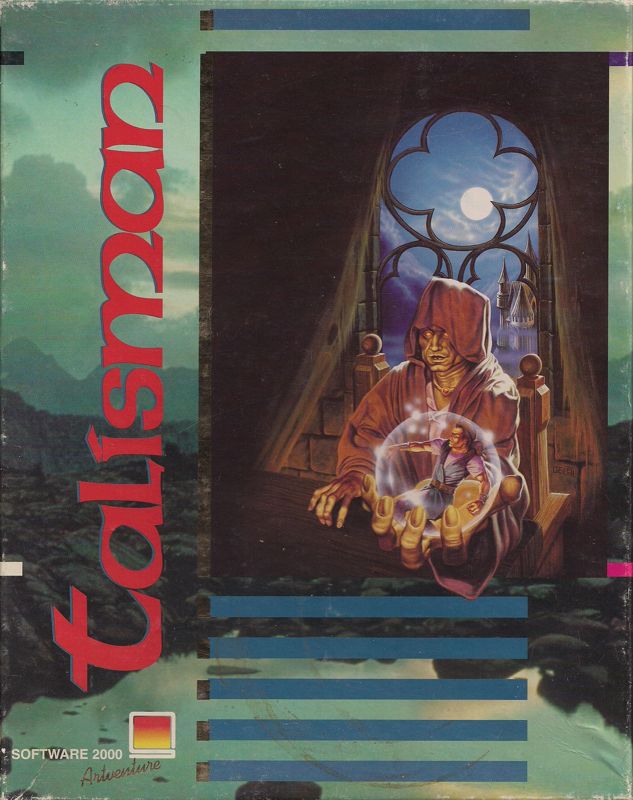
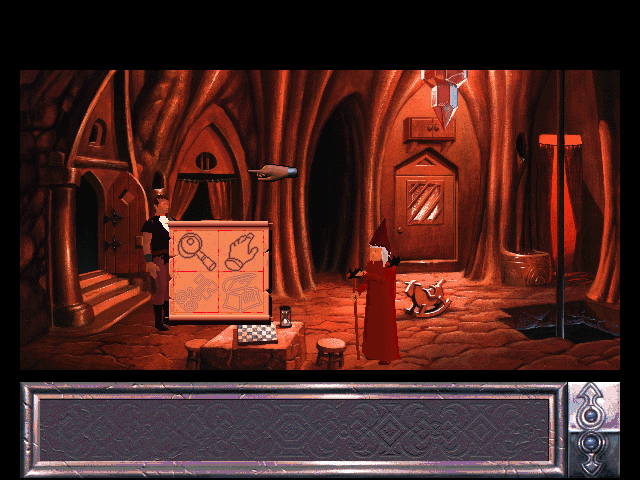
Talisman’s core mechanics embrace the classic point-and-click formula, but with subtle innovations that keep the experience feeling fresh even decades after its 1995 release. Rather than a static verb bar, the game employs context-sensitive scrolls that adapt the available actions to the object in focus. Clicking on a sword, for instance, might present you with “look,” “take,” or “use,” while a torch offers the option to “ignite.” This dynamic verb system streamlines interactions and encourages you to experiment without wading through menus.
(HEY YOU!! We hope you enjoy! We try not to run ads. So basically, this is a very expensive hobby running this site. Please consider joining us for updates, forums, and more. Network w/ us to make some cash or friends while retro gaming, and you can win some free retro games for posting. Okay, carry on 👍)
The inventory system sits permanently at the bottom of the screen, allowing for quick item management without pausing the action. As your collection of keys, potions, and mysterious trinkets grows, simply use the arrow controls to scroll through your haul. This ever-present toolbar means you never lose sight of the objects you’ve already gathered, reinforcing a sense of progression as you uncover more pieces of the talisman’s puzzle.
Movement in Talisman is deliberately focused on hotspots rather than free roaming. Alex, the protagonist, navigates each scene by jumping from one interactive point to the next. While this may feel restrictive compared to more modern adventures, it heightens your attention to detail in each area. To leave a chamber or move on, you must select the “exit” icon at the appropriate hotspot, reinforcing the game’s emphasis on deliberate exploration.
Graphics
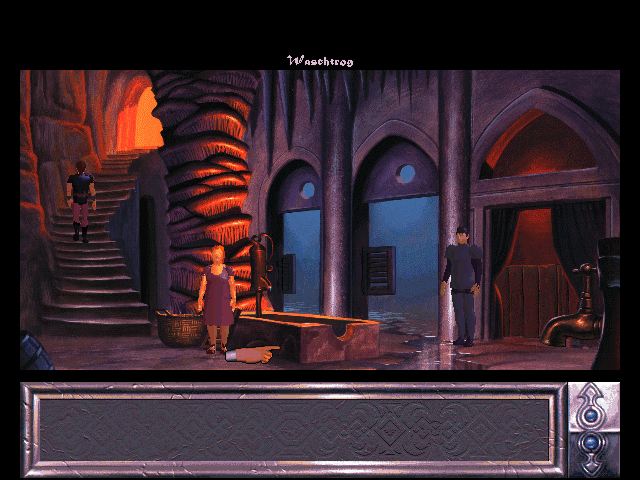
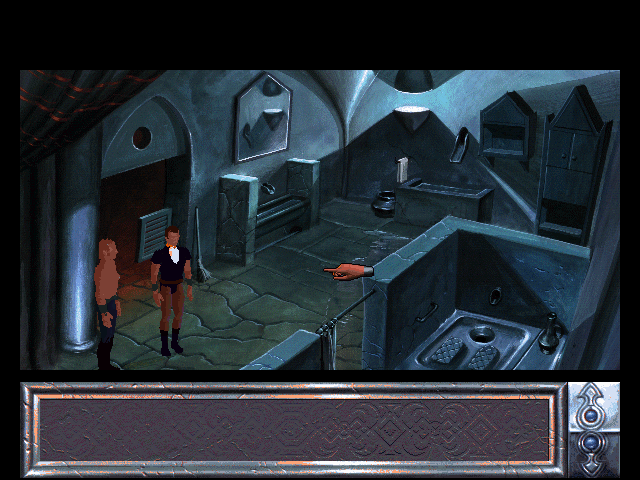
For a mid-’90s adventure, Talisman strikes a unique balance by pairing richly painted 2D backdrops with real-time 3D character models. The hand-drawn environments bristle with atmospheric detail: flickering torches cast long shadows on ancient stone walls, while gnarled roots pry at ruined archways. These static vistas serve as lush, storybook tableaux that invite close inspection.
The 3D characters, though limited by the polygon budgets of the era, move and emote in surprisingly lifelike fashion. Alex’s gait shifts as he goes from cautious reconnaissance to brisk sprinting, and NPCs react to your questions with small head tilts or hand gestures. While not up to modern standards, the interplay of 2D and 3D layers was ahead of its time and remains charmingly retro today.
Subtle visual cues are woven throughout the art direction. Interactive hotspots are delineated by faint glows or slight animations, gently guiding your gaze without resorting to overt highlighting. Spell effects shimmer with colored auras, and demon incursions darken the palette, underscoring the contrast between peace and peril. Even against today’s benchmark, Talisman’s visuals hold nostalgic appeal.
Story
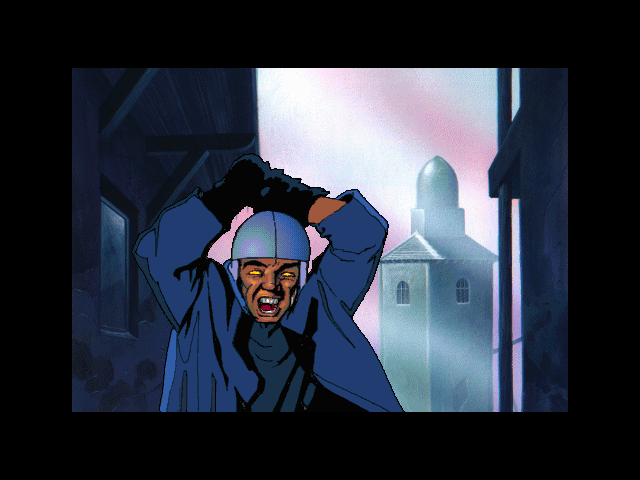
The narrative of Talisman centers on young Alex, who witnesses the brutal invasion of Thurania during a lesson in magic from his grandfather. The opening sequence sets a tone of personal tragedy: demons ravage the city, the old magician falls, and Alex is abducted by the subterranean Golans. This traumatic prologue imbues your quest with emotional weight—your motivation isn’t vague heroism but a deeply personal drive to reclaim the talisman and avenge your family.
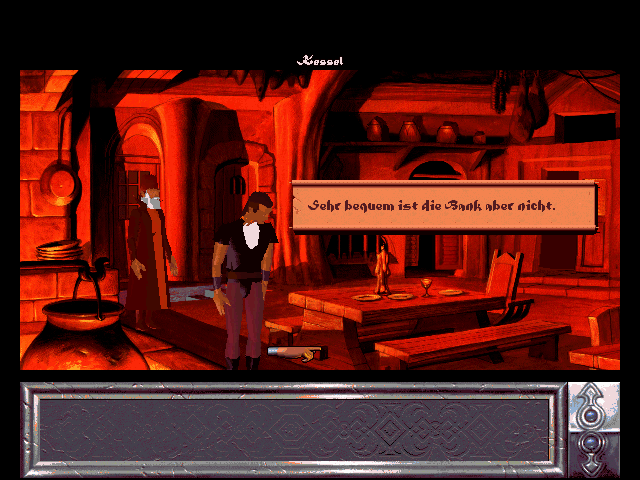
Ten years later, you resume control of Alex as a young man determined to master the talisman’s power and confront the demonic horde. Dialogue sequences, triggered by clicking on characters, present you with a list of questions that replace the inventory bar. These branching conversations gradually flesh out Thurania’s history, the nature of the talisman, and the secrets of the Golans’ underground lair.
While the overarching plot remains linear, optional side encounters and item-based puzzles enrich the world-building. Discovering your grandfather’s scattered spell scrolls or piecing together a coded journal page offers additional lore that rewards thorough exploration. The combination of personal vendetta and broader mythic stakes keeps the storyline engaging from start to finish.
Overall Experience
Talisman is a love letter to fans of classic point-and-click adventures. Its blend of 2D artistry and 3D character animation captures a transitional moment in gaming history, while the context-sensitive verb system streamlines interactions without sacrificing depth. If you enjoy deliberate puzzle-solving and methodical exploration, this title remains a hidden gem worth revisiting.
The game’s pacing can feel unhurried by today’s standards, but that leisurely tempo allows you to savor each elaborately rendered scene and parse every cryptic clue. The emotional stakes—rooted in Alex’s quest for family justice—lend a warmth and urgency that elevates the fantasy trappings. Demons and wizards may dominate the landscape, but it’s Alex’s personal journey that keeps you invested.
Though modern hardware can run Talisman without issue, you may need to tinker with compatibility settings to experience the original visuals intact. For adventurers seeking a piece of interactive history, however, the technical hurdles are a small price to pay. The magic stone still floats, the demons still loom, and the legacy of this 1995 classic endures.



Reviews
There are no reviews yet.