 Retro Replay Retro Replay gaming reviews, news, emulation, geek stuff and more!



Retro Replay Review
Gameplay
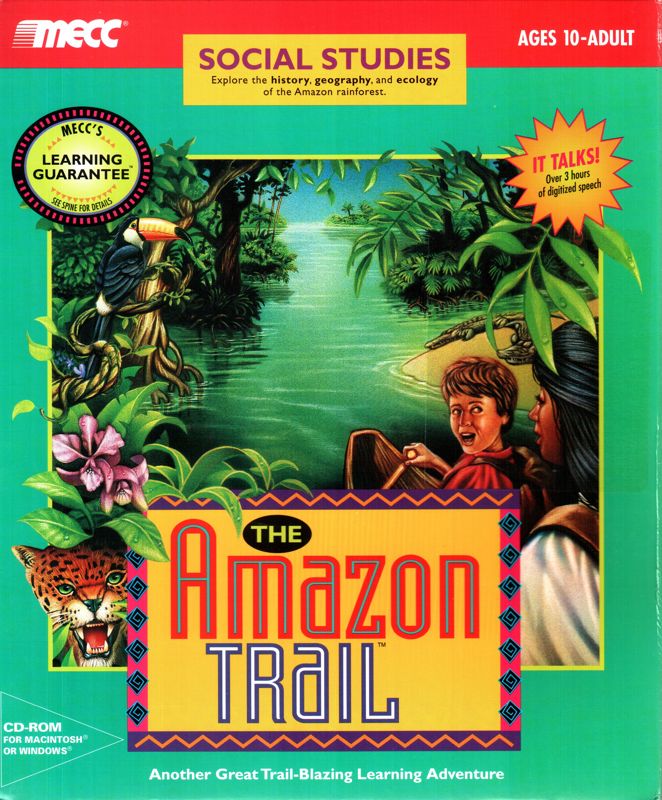
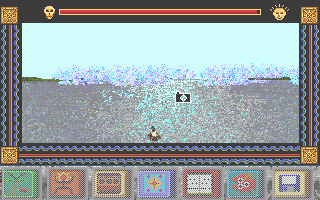
The Amazon Trail blends adventure and simulation into an engaging educational experience. From the moment the black jaguar appears in your dream, you’re thrust into a dynamic world where every decision impacts your chances of success. Choosing travel guides, planning routes along winding tributaries, and balancing limited supplies all require thoughtful strategy. As you navigate your boat down the Amazon River, you must anticipate hazards like treacherous rapids, unpredictable weather, and illness among your party.
(HEY YOU!! We hope you enjoy! We try not to run ads. So basically, this is a very expensive hobby running this site. Please consider joining us for updates, forums, and more. Network w/ us to make some cash or friends while retro gaming, and you can win some free retro games for posting. Okay, carry on 👍)
Supply management lies at the heart of the gameplay. You’ll need to ration food, carry appropriate medicines, and maintain equipment to ensure a safe voyage. Fishing for fresh food and photographing rare wildlife aren’t mere diversions—they’re vital sources of nutrition and documentation. Collecting specimens and snaps of birds, mammals, and insects serves both the educational goals of the game and your survival needs, keeping resource management deeply intertwined with exploration.
Time travel punctuates the core journey at key moments, allowing you to meet historical figures and gain unique insights into 16th-century Amazonia. These encounters are more than window-dressing: they reward keen observation and curiosity with additional quests or vital supplies. The grading system at the end of the main quest measures not only whether you’ve delivered the cinchona plant to the Inca king but also your overall play style, number of animals identified, and extra gifts presented to the monarch.
Along the way, the interface remains intuitive, with menus that let you compare travel guides’ skills, examine maps, and review your inventory. While occasional load times and pixelated visuals remind you of the game’s era, the smooth navigation and clear prompts keep gameplay flowing. Whether you’re steering around logjams, negotiating with indigenous guides, or charting a new path, The Amazon Trail offers a rich blend of strategy, discovery, and historical immersion.
Graphics
Though released in the early 1990s, The Amazon Trail’s visuals retain a certain charm. The game employs hand-painted backdrops of verdant rainforests, sun-dappled rivers, and rustic Inca settlements. Each location presents distinct color palettes—from emerald green canopies to ochre-hued riverbanks—creating a vivid sense of place. Doors into villages and jungle clearings open with simple but delightful animations that convey the living ecosystem around you.
The animal sprites, while low-resolution by modern standards, capture the essence of Amazonian wildlife. Macaws flash bright reds and blues, capybaras amble along the shore, and caimans lurk in muddy waters. Taking photographs is not just a gameplay mechanic; it’s a way to appreciate these digital recreations of real species. Zoomed views and informational pop-ups bring each creature to life, reinforcing the game’s educational mission without sacrificing visual appeal.
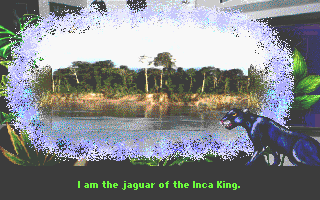
Menus and interfaces use period-appropriate icons and fonts, which may evoke nostalgia for seasoned players. Map screens are richly detailed, showing river forks, tributaries, and potential hazards with clear, color-coded markers. The dream sequence featuring the black jaguar employs more stylized art—shadows, glowing eyes, and swirling mists—creating a memorable, otherworldly introduction to your quest.
Overall, while the graphics cannot compete with today’s high-definition offerings, they succeed admirably in supporting the game’s objectives. The art style immerses players in a living rainforest environment, highlights key gameplay elements, and underlines the educational content without feeling dated or clunky.
Story
The narrative of The Amazon Trail begins with a surreal dream: a black jaguar, servant of the Inca king, warns of malaria ravaging the empire and European explorers threatening indigenous cultures. This intriguing hook immediately sets a tone of urgency and mystery. By blending mythic elements—the talking jaguar—with historical challenges like disease and colonial expansion, the game frames its educational content within a compelling storyline.
Once transported to the 16th century, your mission is clear: find the cinchona plant, source of quinine, and deliver it to the Inca court before it’s too late. Along the way, you cross paths with a diverse cast of characters: indigenous guides who share botanical knowledge, competing European adventurers with their own agendas, and legendary explorers whose choices shaped history. These encounters enrich the plot and create branching narrative threads that reward exploration and replay.
Educational tidbits are woven seamlessly into the storyline. Dialogues with village elders uncover traditional medicinal practices; journal entries reveal ecological facts about rainforest flora; and occasional pop quizzes test your grasp of malaria prevention and botany. Far from feeling like dry classroom material, these segments deepen immersion by tying information to your immediate objectives—securing supplies, forging alliances, or avoiding deadly outbreaks.
The game’s pacing mirrors an epic journey: moments of high tension—navigating rapids, escaping a jaguar ambush, racing against malaria—alternate with slower, reflective stretches as you catalog specimens or converse with tribal leaders. This ebb and flow of action and education keeps the narrative engaging from start to finish, ensuring that even players new to historical simulations remain invested in the Inca king’s fate.
Overall Experience
The Amazon Trail masterfully balances learning and entertainment, making it an ideal choice for families, classrooms, or solo adventurers. Its unique blend of strategy, storytelling, and environmental education offers hours of replay value. Whether you aim for a flawless rescue mission or simply wish to catalog every species along the way, the game accommodates multiple play styles. The grading system at the end reflects your chosen path, encouraging experimentation with different strategies and routes.
Although some modern players may find the interface dated, its clarity and user-friendly design quickly win you over. The thoughtful integration of time-travel segments and historical figures adds narrative depth, while the core mechanics of resource management and wildlife identification stand up remarkably well. For those seeking a calmer yet purposeful gaming experience, The Amazon Trail provides a rare blend of cerebral challenge and exploratory fun.
Nostalgia also plays a role: hearing the jaguar’s deep voice, spotting a troop of spider monkeys swinging overhead, or deciphering a colonial-era map can stir fond memories for anyone who encountered this title in its heyday. Newcomers, meanwhile, will appreciate the game’s inviting learning curve and the genuine sense of accomplishment when delivering the precious cinchona bark to the Inca king.
In sum, The Amazon Trail remains a standout in the realm of educational games. Its rich narrative, thoughtful gameplay mechanics, and evocative visuals deliver an experience that’s as informative as it is entertaining. Whether you’re drawn by botanical quests, historical intrigue, or the call of the jungle, this title offers a satisfying journey into the heart of the Amazon and the history of the Inca empire.



Reviews
There are no reviews yet.