 Retro Replay Retro Replay gaming reviews, news, emulation, geek stuff and more!



Retro Replay Review
Gameplay
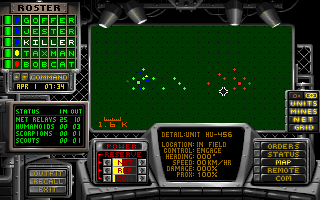
Ultrabots delivers a refreshing blend of first-person robot simulation and real-time strategy. You strap into the cockpit of three distinct robotic classes—Humanoid, Scorpion, and Scout—and manage the battlefield directly from your pilot’s seat. The hallmark feature is the strategy map, which allows instant teleportation between any of your active units. This seamless switching keeps every skirmish dynamic, as you can respond to threats across the map within seconds.
(HEY YOU!! We hope you enjoy! We try not to run ads. So basically, this is a very expensive hobby running this site. Please consider joining us for updates, forums, and more. Network w/ us to make some cash or friends while retro gaming, and you can win some free retro games for posting. Okay, carry on 👍)
Each robot model carries its own strengths and vulnerabilities. The Humanoid is the jack-of-all-trades: well-rounded weapon loadouts and above-average speed make it the frontline workhorse. The Scorpion moves slowly but packs a devastating stinger tail capable of dismantling or extending your power grid—an asset you’ll want to guard jealously. The Scout, by contrast, boasts top speed and nimble handling but struggles with firepower. Balancing these three types in concert is key to success on varied mission layouts.
Resource management also plays a major role. All Ultrabots function only within proximity of your grid or on limited battery when cut off, making power-grid expansion and defense crucial. Repairing damaged units requires a return trip to base, so you’ll juggle front-line engagements with strategic retreats for maintenance. With mission objectives ranging from base assaults to escort duties, Ultrabots challenges both your reflexes and your long-term planning skills.
Graphics
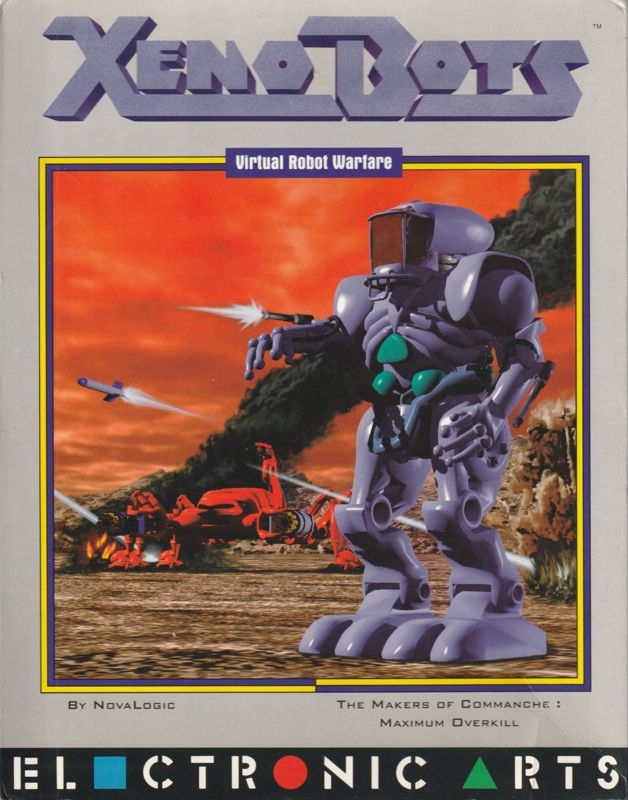
Visually, Ultrabots stands out for its detailed mech designs and destructible environments. Each robot model carries unique textures, glowing power conduits, and mechanical joints that react believably under fire. Cities, industrial complexes, and wastelands show varying levels of devastation, from smoldering ruins to fields littered with deactivated alien hardware.
The cockpit view is particularly immersive: instrument panels flicker with power-grid status, radar sweeps display friendly and enemy contacts, and damage indicators light up in real time when you take hits. Outside the cockpit, muzzle flashes, plasma trails, and explosion physics are satisfying and often accompanied by ringing audio cues that heighten tense moments on the battlefield.
While most systems run smoothly, lower-end rigs may experience occasional frame drops during large-scale battles with multiple robots and debris fields. Texture pop-in is rare, but you might spot it at the very edges of sprawling maps. Overall, Ultrabots strikes a strong balance between spectacle and performance, delivering one of the more visually coherent robot sims in recent memory.
Story
The narrative thrust of Ultrabots begins with an alien vessel on an elliptical orbit that disgorges giant war machines upon our planet. Initially mistaken for a comet, these pods unleashed a robotic scourge that laid waste to cities and eradicated human life—prompting a desperate nuclear retaliation. In one fell swoop, humanity both inflicted and endured disaster, setting the stage for a high-stakes scrapyard renaissance.
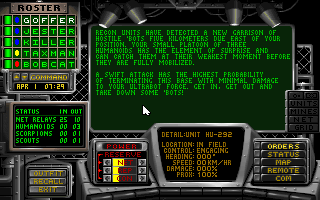
From the ruins, engineers reverse-engineered fallen alien bots, forging the “Ultrabots” we now pilot. Each mission briefing weaves in snippets of this backstory through text logs, voiceovers, and occasional cutscenes. The sense of rebuilding from devastation is palpable as you extend your grid, recapture territory, and inch closer to disrupting the original invaders’ orbit.
Characterization is minimal but effective: a handful of engineers, commanders, and field operatives lend urgency to objectives without bogging down the pace. The alien threat remains enigmatic—background transmissions and stalled communications hint at a looming second pass. That looming menace keeps every skirmish charged with narrative purpose, making you feel like the vanguard of humanity’s survival.
Overall Experience
Ultrabots delivers a satisfying fusion of cockpit combat and strategic oversight. The ability to switch between robots on the fly keeps you engaged, while the tri-model roster of Humanoid, Scorpion, and Scout injects tactical variety. Power-grid management adds a layer of resource tension that never feels tacked-on, and repairing units at base creates a measured risk-reward loop.
The learning curve is moderate: new players may take a few missions to grasp the importance of protecting Scorpions and managing battery usage, but once mastered, the flow of assault-defend-expand becomes second nature. Replay value is high, thanks to multiple difficulty levels and optional objectives that reward strategic ingenuity.
Ultimately, Ultrabots stands out as an engaging single-player experience for fans of mecha action and strategic depth. The post-apocalyptic storyline provides ample motivation, the visuals pop in cockpit and third-person views, and the mission design keeps you craving “just one more sortie.” If you’ve ever wanted to command a squad of giant robots while juggling base defense and frontline assaults, Ultrabots is a compelling entry in the genre.


Reviews
There are no reviews yet.